Nanotube Injector Moves Mitochondria Between Living Cells — SkimNews

Get the Health newsletter
Daily health & science — research, biotech, public health, the studies worth knowing. Free.
- Professor Takeo Miyake and a Waseda University team published a study in Small Science on March 17, 2026, describing a nanotube membrane-based injector for transferring cytoplasmic contents between living cells.
- The nanotube injector — a gold membrane with vertically aligned nanotubes mounted on a glass tube — penetrates cell membranes and uses internal air pressure to extract and flush cytoplasm, achieving over 90% transfer efficiency and ~95% cell viability under optimized conditions.
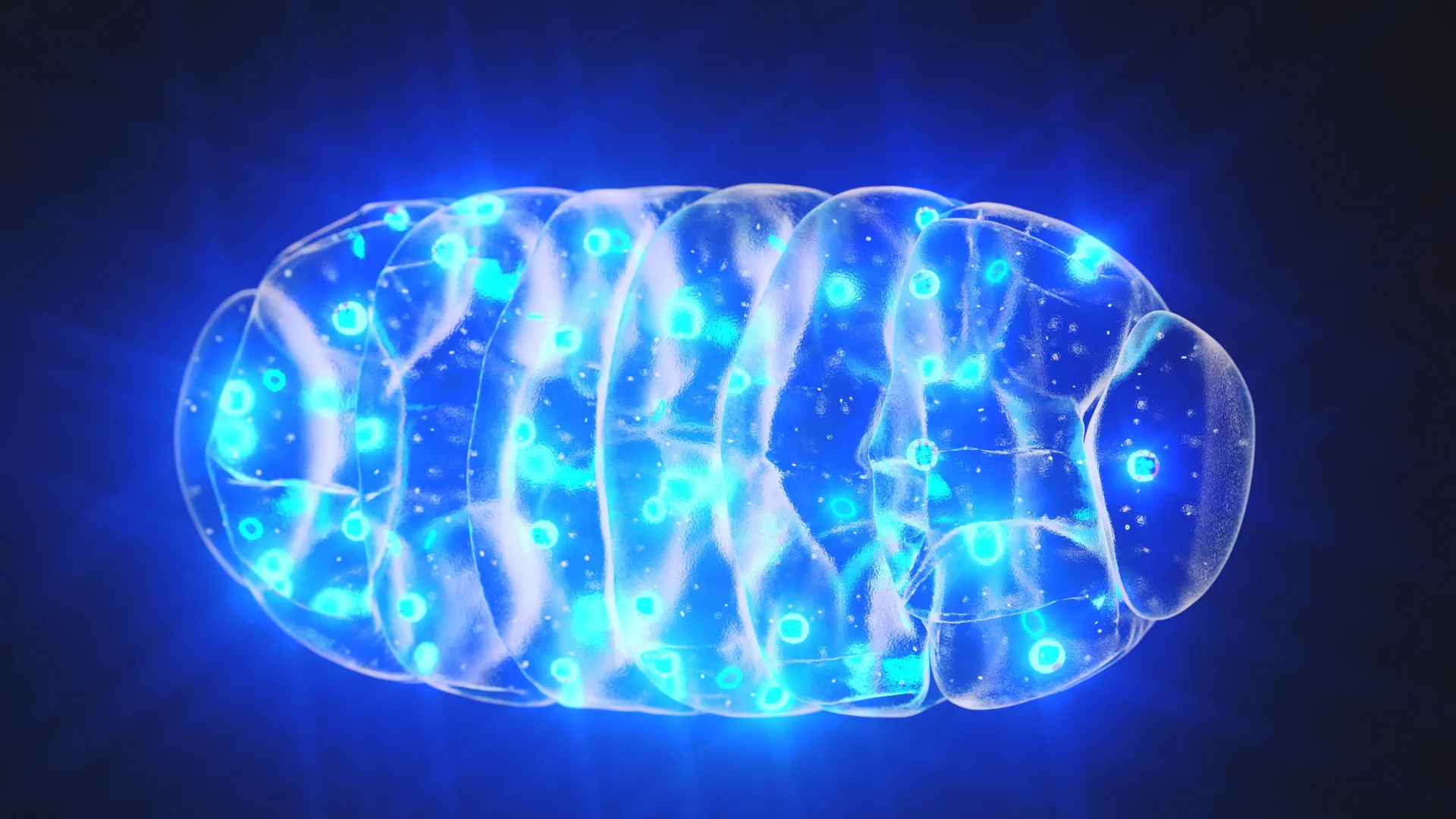
- Mitochondria transfer tests showed the platform delivered dozens of intact, functional mitochondria per recipient cell, with markedly higher ATP levels versus control cells, confirmed via confocal microscopy.
- Miyake called the technology "a new paradigm for cell manipulation—transforming cells not by genetic modification but by reconstructing intracellular composition itself."
- The researchers said the platform could aid regenerative medicine by restoring or augmenting mitochondrial function in therapeutic cells that suffer reduced metabolic activity after isolation, without genetic modification.
- The team argued existing approaches have key gaps: lipid-based carriers handle only small molecules, viral vectors are costly, and microinjection is difficult to scale.
Why it matters: Regenerative medicine developers gain a non-genetic method to restore mitochondrial function in therapeutic cells before transplantation, potentially addressing the reduced metabolic activity and functional heterogeneity that plague cell therapies after isolation and expansion. The platform's ~95% viability and >90% transfer efficiency, combined with intact functional mitochondria confirmed by elevated ATP, move the technology from concept toward practical cell-engineering use.
Ask SkimNews