A new report just busted another myth about heat pumps — SkimNews
Get the Energy newsletter
Daily energy & climate — solar, EVs, oil, the policy fights and tech bets shaping the transition. Free.
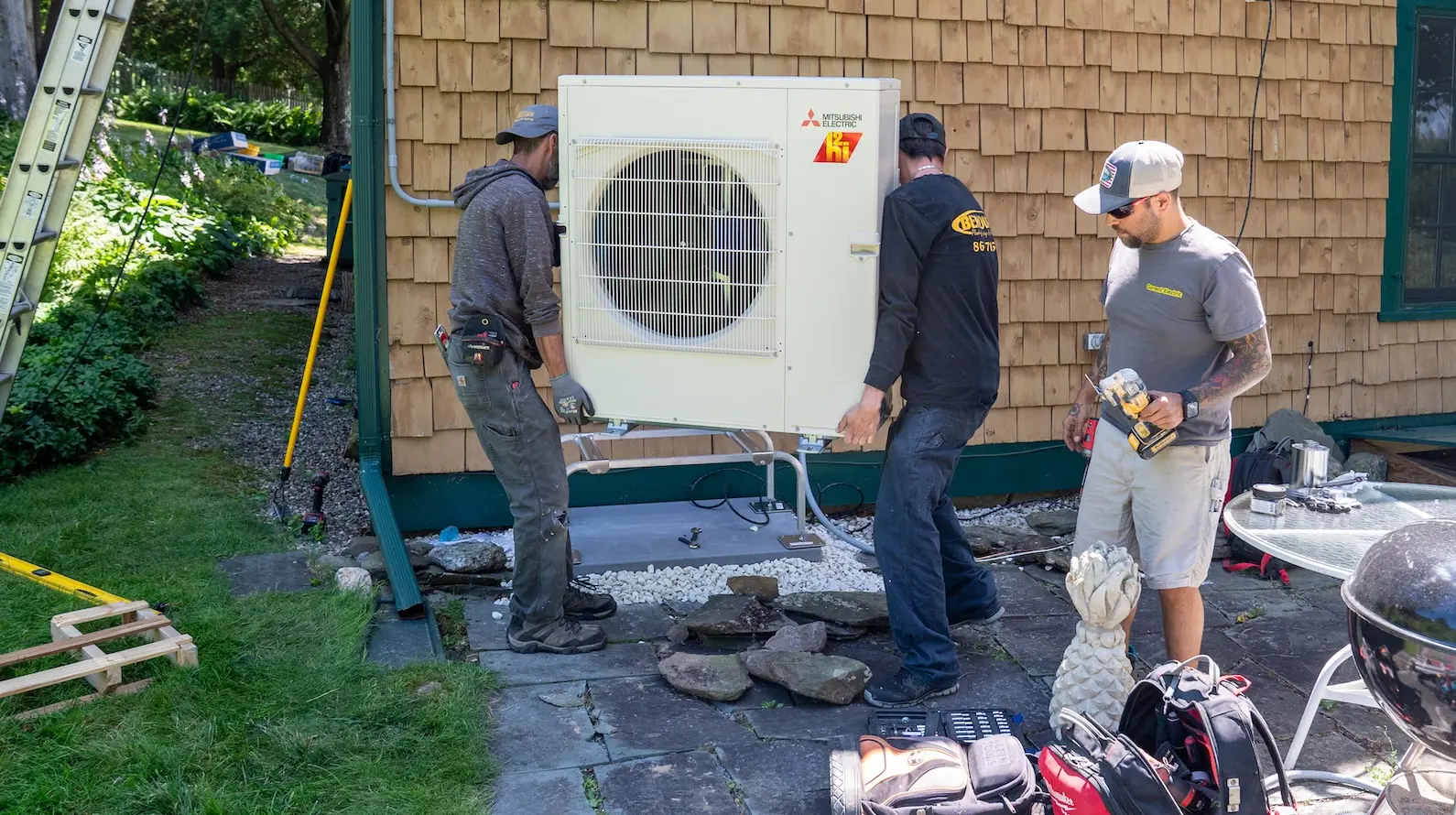
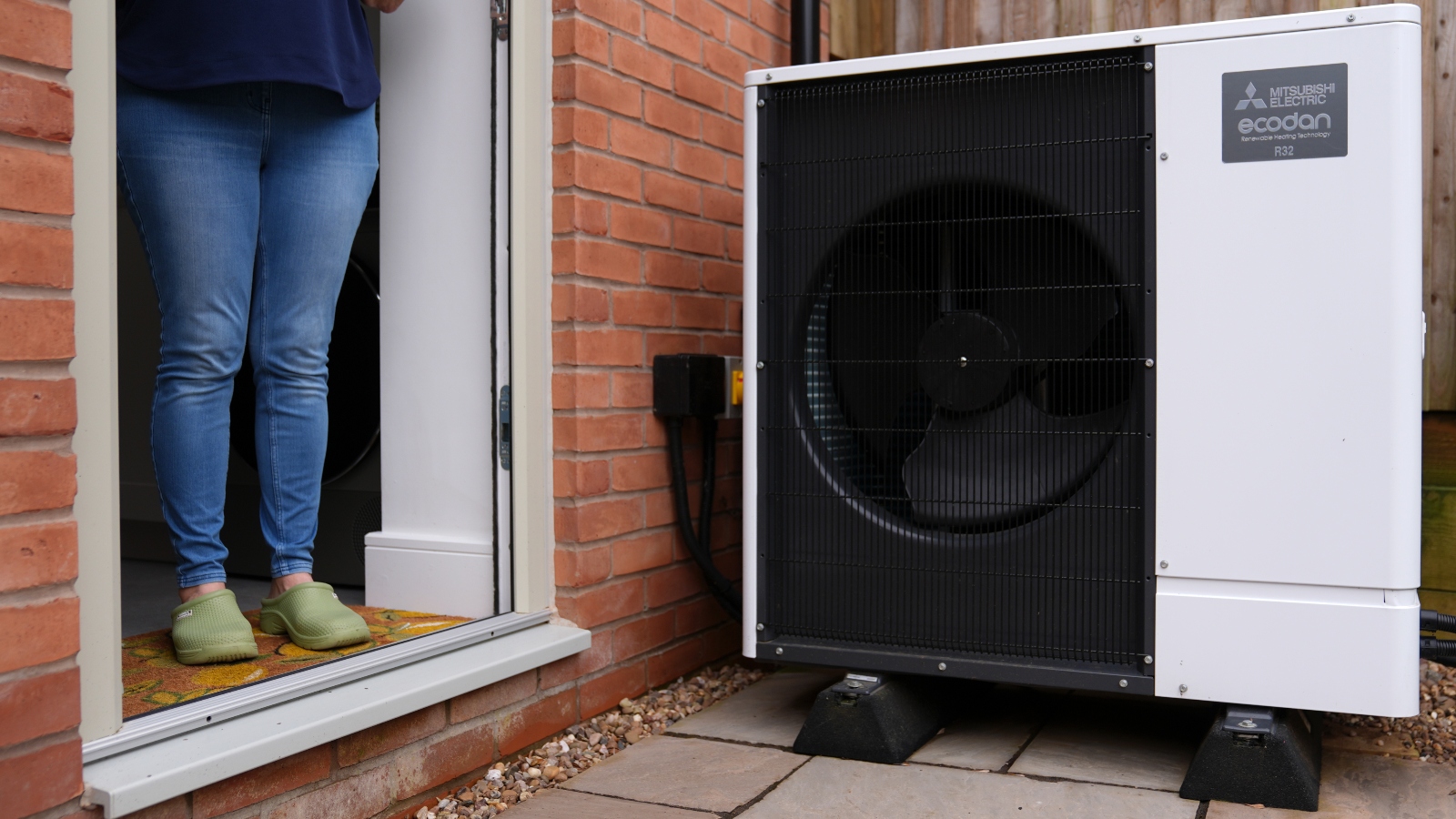
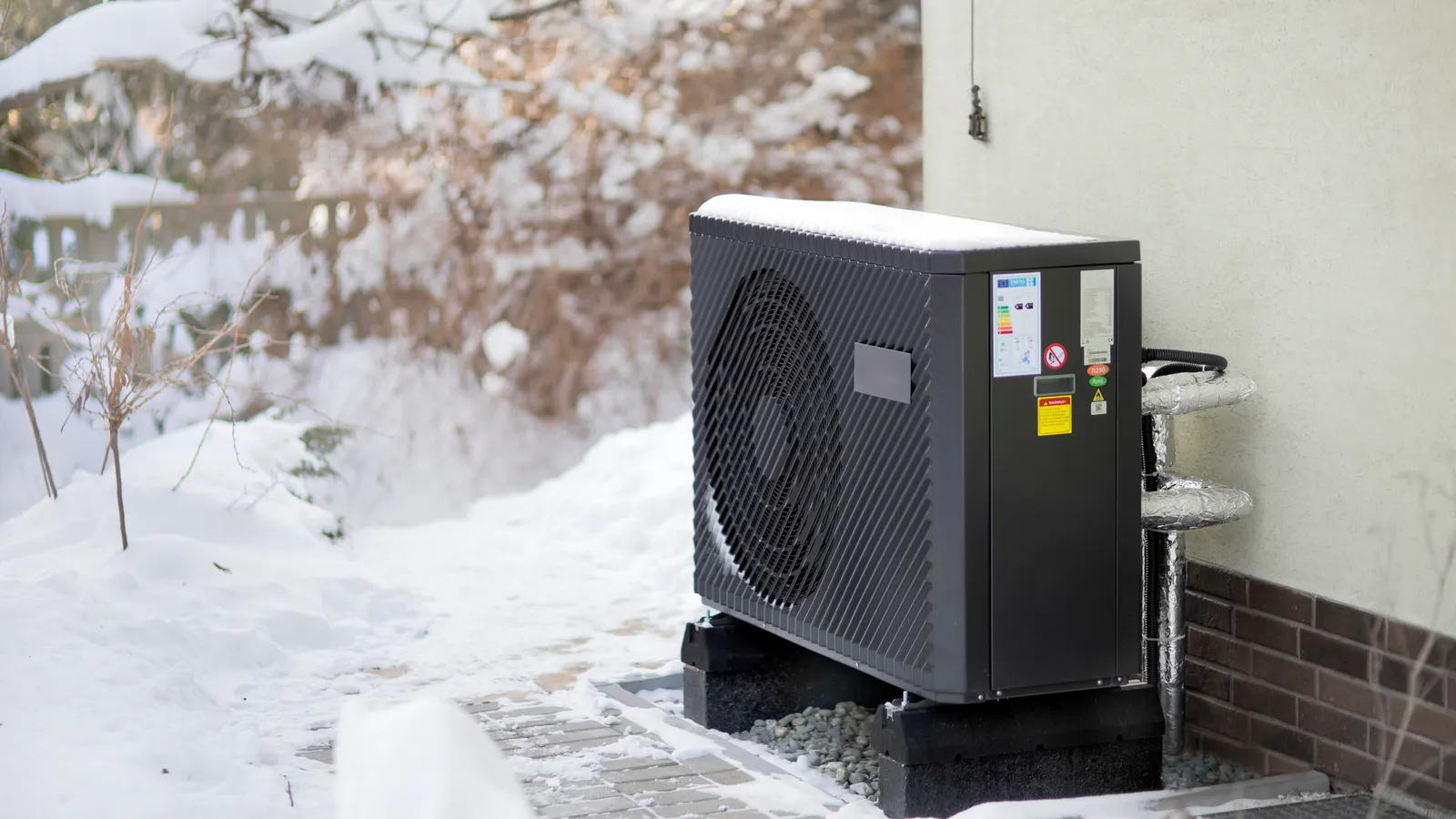
- RMI report found up to 109 million U.S. homes (roughly 75%) could adopt heat pumps within the grid's existing winter 'headroom'—the gap between generation capacity and demand during colder months when homes typically heat with gas furnaces instead of electricity
- Ryan Shea, manager on RMI's buildings team, said moving gas heating to electric heat pumps in winter would spread fixed grid costs across more kilowatt-hours, lowering electricity rates for all ratepayers
- Heat pumps run three to four times more efficiently than electric resistance heating, and the report found adoption could reduce greenhouse gas emissions while cutting electric bills by more than 20% in some states
- Resistance heating—common in the Pacific Northwest and Southeast—could be displaced first; RMI's prior research estimated households making that switch could save an average of $1,530 per year
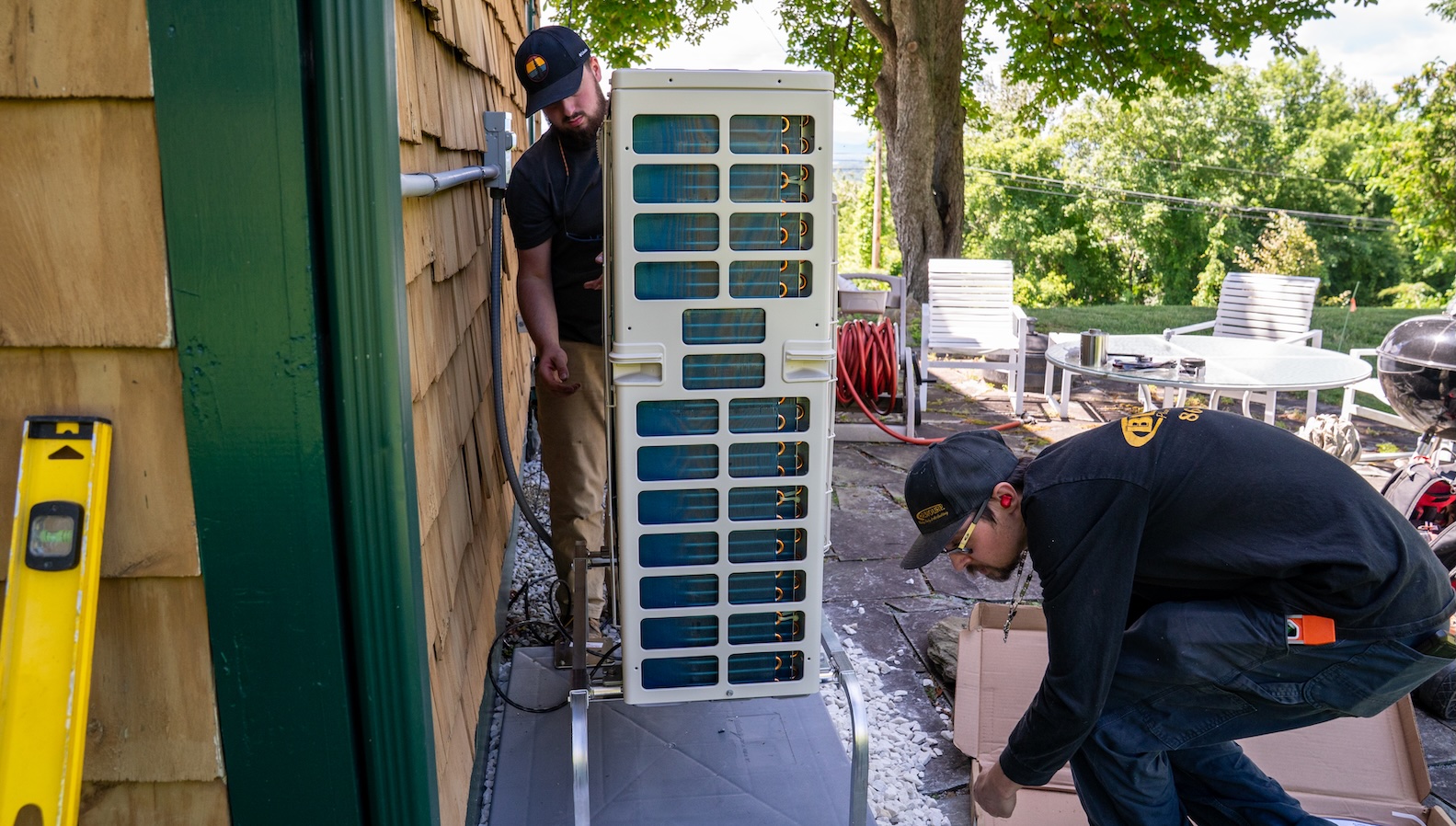
- Maine blew past its goal of installing 100,000 heat pumps two years ahead of schedule, demonstrating how state-led rebate and replacement policies can accelerate adoption
- Solar-heavy utilities see generation dip in winter as days shorten, prompting investment in sprawling battery farms and experiments using electric vehicles as a distributed backup network to keep the system flexible
Why it matters: With affordability dominating the political conversation, RMI's framing flips heat pumps from a perceived grid liability into a cost-saver: bill reductions of more than 20% in some states and average $1,530 annual savings for resistance-heating households make adoption politically attractive, and Maine's early milestone proves state-led rollouts can outpace their own targets.
Ask SkimNews