A new report just busted another myth about heat pumps — SkimNews
Get the Energy newsletter
Daily energy & climate — solar, EVs, oil, the policy fights and tech bets shaping the transition. Free.
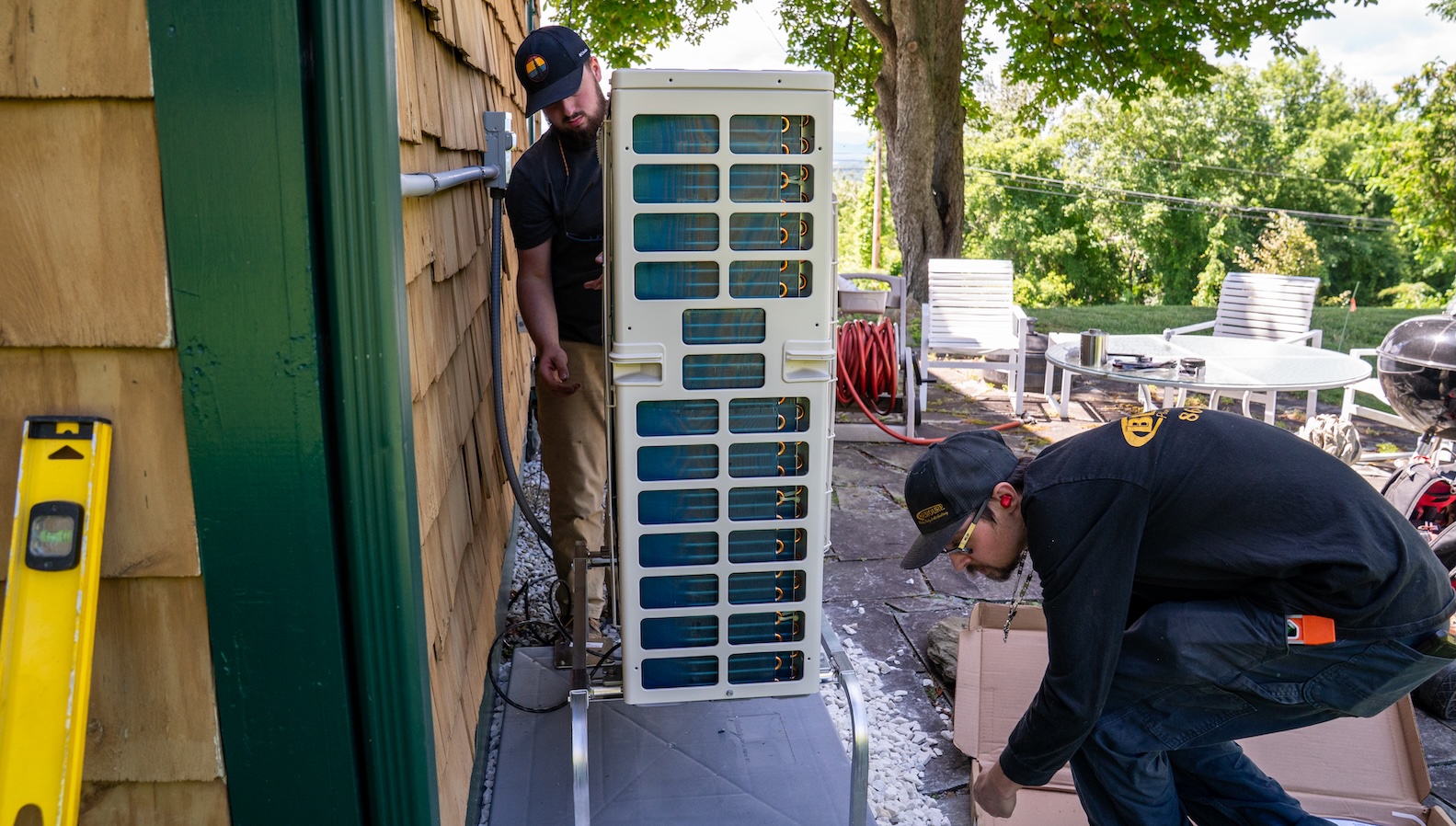
- RMI report finds that 75% of U.S. homes — roughly 109 million — could adopt heat pumps using existing winter 'headroom' in the grid without overloading it.
- Ryan Shea, manager on RMI's buildings team, said winter grid capacity exists because gas-heated homes relieve summer-peak strain, letting heat pumps add load without new buildout.
- Adopting heat pumps at that scale would slash electric bills by over 20% in some states and significantly reduce greenhouse gas emissions, per RMI.
- Heat pumps run three to four times more efficiently than electric resistance heating, and households switching from resistance heat could save an average of $1,530 a year, per the think tank's prior research.
- Maine blew past its goal of installing 100,000 heat pumps two years ahead of schedule, cited as proof that state-led adoption can move quickly.
- Grid headroom is uneven — Phoenix summers demand far more AC than Boston's, and local generation mixes vary — but utilities are pairing renewables with battery farms and experimenting with EV fleets as backup power.
Why it matters: If RMI's analysis holds, roughly 109 million U.S. homes can switch to heat pumps on existing infrastructure, which could cut electric bills by over 20% in some states while displacing fossil fuel furnaces and inefficient electric resistance heaters. That turns a home-energy upgrade into a measurable household-affordability story — exactly the kind of bipartisan win that RMI's Ryan Shea is now urging policymakers to put into affordability plans.
Ask SkimNews