Google bankrolls PG&E virtual power plant — SkimNews
Get the Energy newsletter
Daily energy & climate — solar, EVs, oil, the policy fights and tech bets shaping the transition. Free.
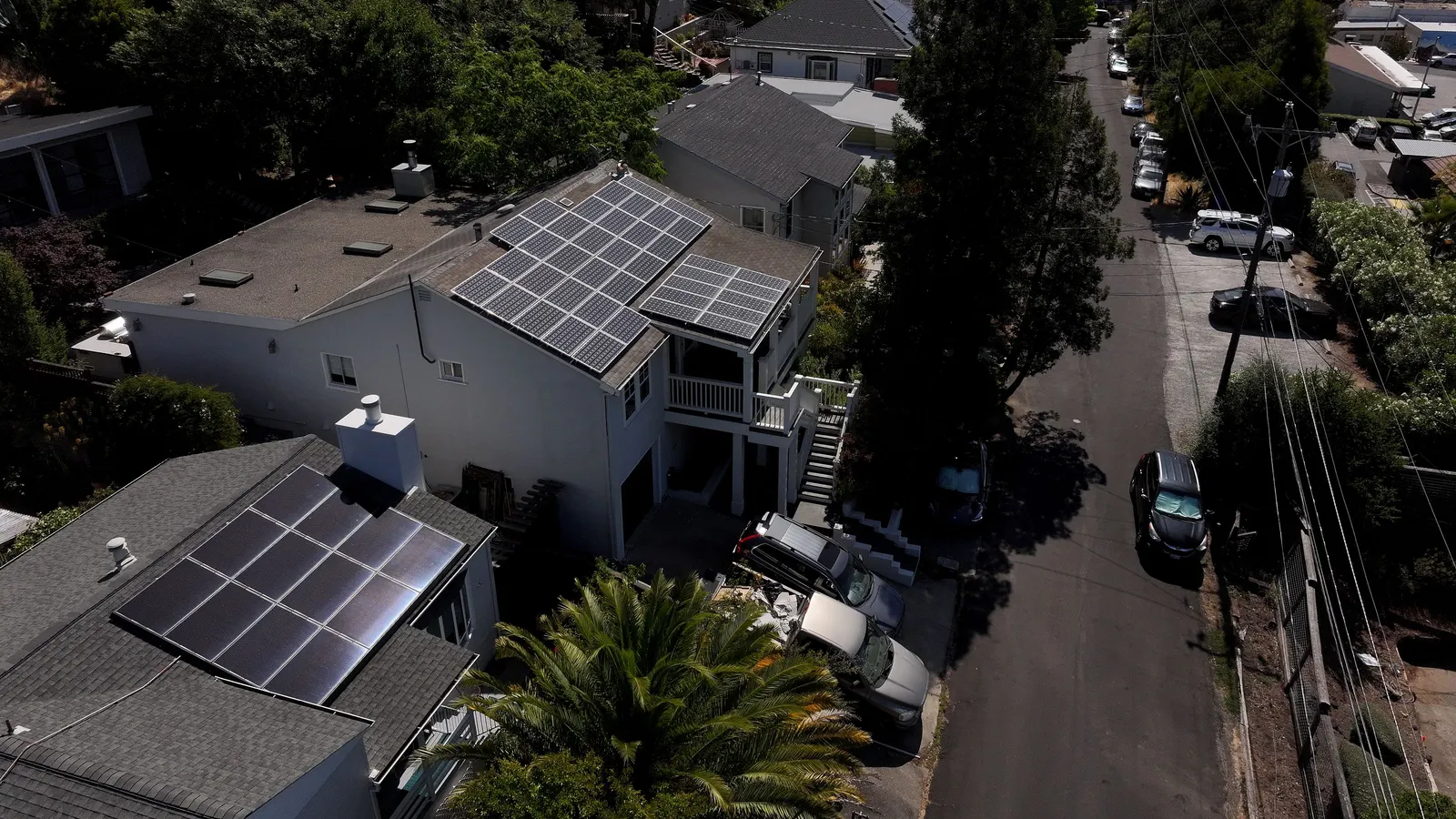
- PG&E launched SHARE, a proof-of-concept virtual power plant operated with Demand Side Analytics in two Northern California counties, aiming to add capacity, boost reliability and "help put downward pressure on rates" while cutting participating households' net electricity bills.
- Google will fully fund SHARE through 2027, with initial findings shared later this year or early 2027; Google's global head of energy Amanda Peterson Corio said it shows the grid can meet rising demand without burdening ratepayers.
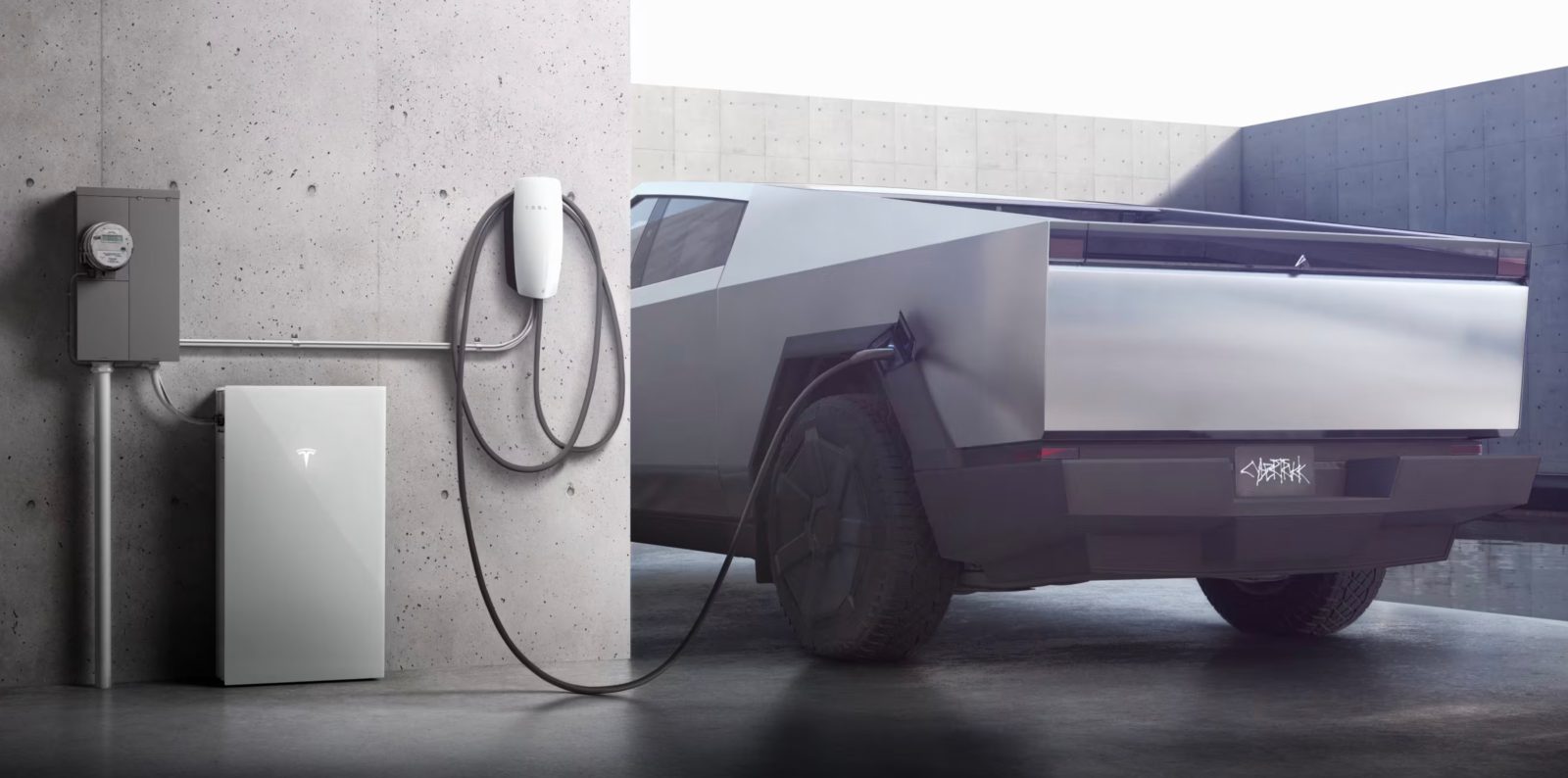
- Tesla, Sunrun and Renew Home will begin enrolling nearly 21,000 existing residential flexible energy devices this fall; the three said in June they could collectively unlock nearly 17 GW of flexible capacity nationwide, with California holding 4.7 GW (roughly 75% batteries, 25% thermostats).
- Carrier will deploy new variable-speed, residential-scale heat pumps with up to 10 kWh of integrated battery capacity to support SHARE.
- SHARE tests a Rewiring America proposition that hyperscalers can offset near-term AI compute power demand at lower cost than building new gas-fired generation by subsidizing distributed energy resources at scale.
- The program uses a "location-based approach" to address transmission constraints and local capacity challenges, and PG&E said it could eventually expand to commercial, industrial and utility-scale assets.
Why it matters: Google is fully funding a PG&E proof-of-concept through 2027 to test whether subsidizing 21,000 residential batteries and thermostats across two California counties can deliver grid capacity cheaper than building new gas-fired generation for AI-driven demand — with participating households promised lower net electricity bills and PG&E gaining a location-based template for transmission and local capacity fixes.
Ask SkimNews