Ukraine Drones Wreck Russia's Amazon Warehouses — SkimNews

Get the Geopolitics newsletter
Daily geopolitics — wars, elections, sanctions, the diplomatic moves that move markets. Free.
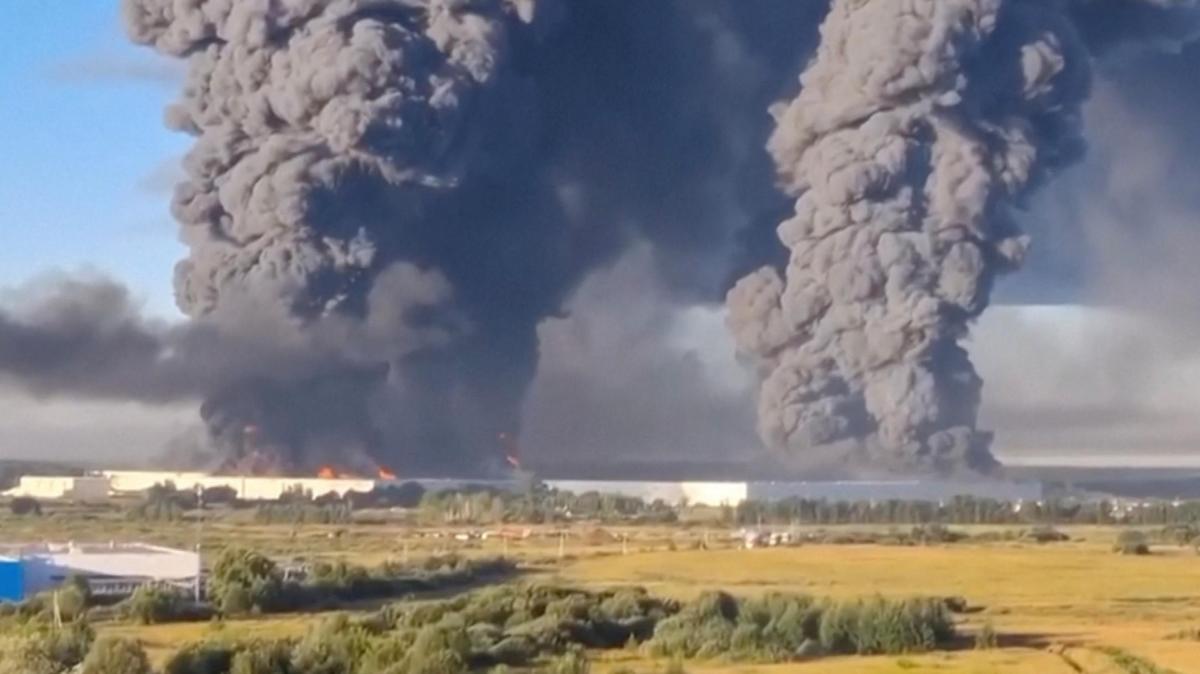
- Ukrainian drones struck Wildberries logistics hubs in St. Petersburg overnight Thursday, with verified video showing multiple impacts and fires that totally destroyed the facilities; founder Tatyana Kim and Russian officials confirmed the attacks and billions in goods have gone up in flames
- The week-long campaign began last weekend with strikes in Kotovsk (360 km from the border) and Elektrostal (50 km east of Moscow) that killed 9 and wounded 80, followed by Wednesday hits in Krasnodar and Stavropol — at least seven warehouses hit in total
- Wildberries, founded in 2004 by teacher-turned-billionaire Tatyana Kim (Forbes Russia pegs her fortune at $8.1B US), accounts for roughly half of all Russian online sales and operates 200+ logistics facilities spanning 5.2 million square metres across Russia, Belarus, Kazakhstan, and Russian-held Crimea
- President Volodymyr Zelenskyy said the targeted facilities were involved in supplying gear and technical components to the Russian military; Kremlin spokesman Dmitry Peskov rejected that characterization, called the sites civilian targets, and accused Kyiv of continuing to strike civilians
- The Wildberries website does list military-useful items — body armour, helmets, radios — but the bulk of its inventory is consumer goods: books, clothes, cosmetics, toys, appliances, sports equipment, household goods, and pharmaceuticals
- Small sellers are absorbing the damage: Russian fashion designer Viktoria Terekhova lost 12,000 items (~45% of her company's inventory) in Elektrostal plus 4,000 more in southern strikes, while Airbase co-founder Oleg Kondratyev lost roughly $90,000 in stock and told CBC he can no longer pay loans or upcoming taxes
Why it matters: The strikes hit the civilian economy that keeps Russia running, not just its war machine: Wildberries is estimated to handle half of all Russian online sales and hosts 500,000–800,000 sellers, many of them small businesses now facing sudden insolvency. The mix of confirmed military-useful inventory (body armour, radios) and a Kremlin denial of any military role leaves the strikes' legal and moral status contested, while night-shift worker deaths (nine killed, 80 wounded) make this one of the costliest deep-strike campaigns of the war.
Ask SkimNews