Russia Kills 10 Off Odesa; Ukraine Hits Moscow With Drones — SkimNews

Get the Geopolitics newsletter
Daily geopolitics — wars, elections, sanctions, the diplomatic moves that move markets. Free.
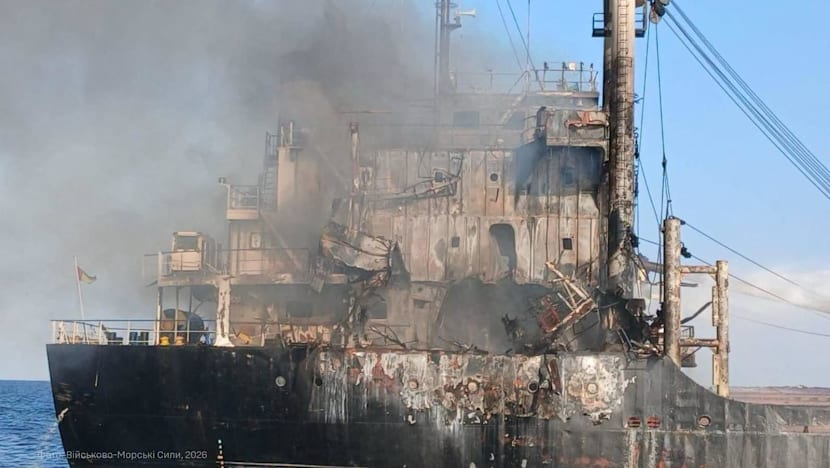
- Russia struck a Guinea-Bissau-flagged corn ship near Odesa whose crew came from India and Syria, killing at least 10 people; eight crew members were rescued, according to Ukraine's seaports authority.
- Odesa regional governor Oleh Kiper said Russian strikes have killed 28 people in the Odesa region during July alone, with the region under "constant daily shelling" and 13–15 air raid alerts announced on some days.
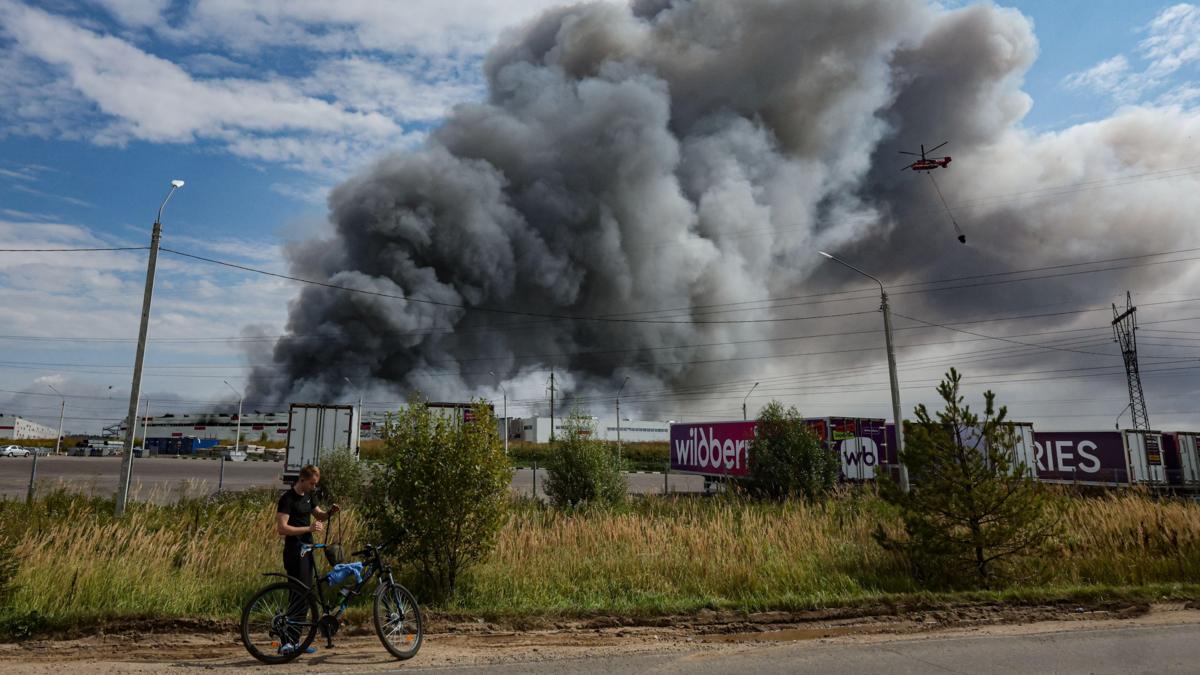
- Ukraine launched more than 400 drones at Moscow and the surrounding region overnight, wounding at least 10 people including a child and three Chinese citizens, according to Moscow Mayor Sergei Sobyanin and Moscow region governor Andrei Vorobyov.
- Russia's air defences intercepted most of the drones, including 85 destroyed while approaching the capital; Ukraine's drone forces commander Robert Brovdi separately reported strikes on seven Russian vessels in the Black Sea and Sea of Azov — three tankers and four dry cargo ships — bringing July's total to 183 vessels hit.
- President Zelenskyy said Ukraine struck Russian logistics facilities and an oil depot more than 400 km (250 miles) from the Ukrainian border, framing the overnight operation as a response to Russian strikes on Ukrainian cities.
- Russia has stepped up ballistic missile attacks on Kyiv — one of the heaviest barrages of the war — while Ukraine is currently short of Patriot interceptor munitions needed to defend against them.
- Wildberries, Russia's largest online retailer, evacuated its Podolsk logistics centre as a precaution during the drone attack, after a Saturday strike on its facilities killed at least eight warehouse workers and injured dozens.
Why it matters: Ukraine's retaliatory capacity — 400+ drones hitting logistics and energy targets 400 km inside Russia in a single night — demonstrates Kyiv can escalate despite a documented shortage of Patriot interceptors needed to defend its own cities from ballistic missiles, putting the two sides on a costly trajectory of mutual deep strikes.
Ask SkimNews