Iran War Sends U.S. Gas Prices Up $1 a Gallon in 6 Weeks — SkimNews
Get the Energy newsletter
Daily energy & climate — solar, EVs, oil, the policy fights and tech bets shaping the transition. Free.
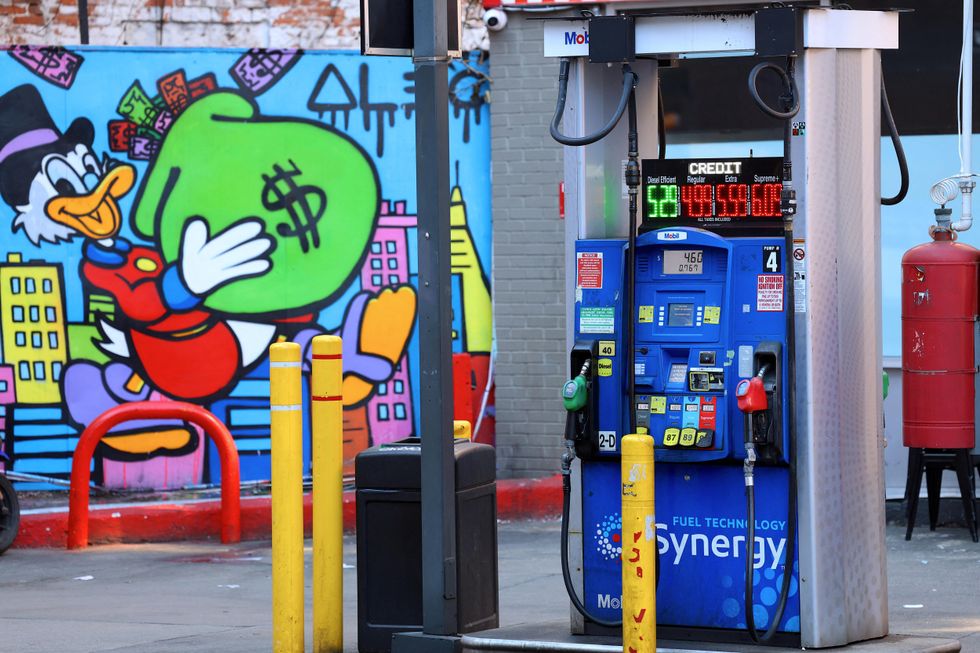
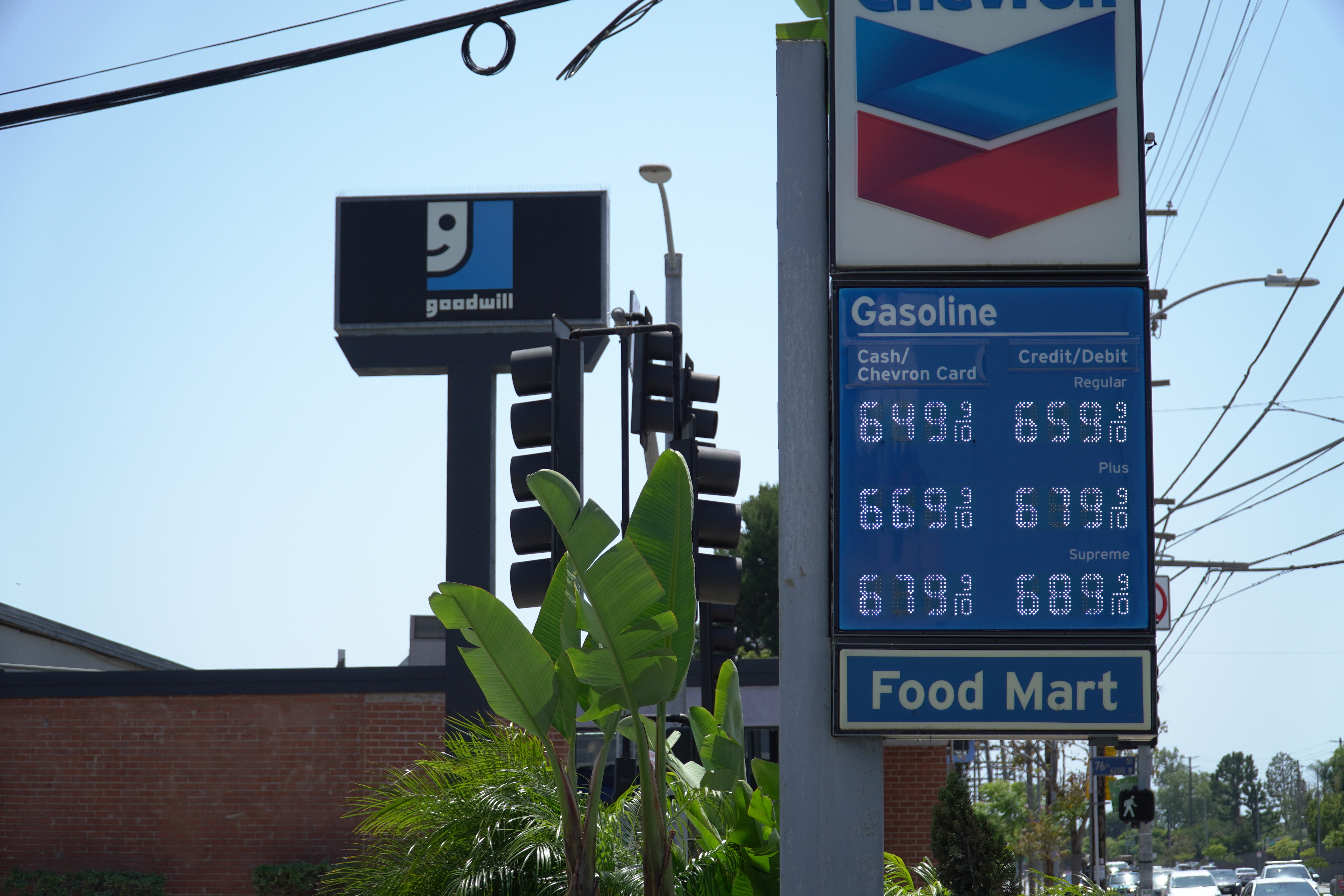
- U.S. gasoline prices spiked by over $1 per gallon in just six weeks, with March CPI showing inflation at 3.3% year-over-year and the gasoline index surging 21.2%—nearly three-quarters of the monthly all-items increase.
- China's independent refiners can draw on the highest volumes of Iranian crude sitting on tankers since January, and that crude is now "officially unsanctioned by the United States," letting them wait out weeks of blockades at the Strait of Hormuz.
- The U.S. still imports crude despite being the world's top producer, consuming 20 million bpd against 13 million bpd of output (a fifth of which is exported), meaning global market prices—not domestic supply—set pump costs.
- Energy Aspects' Amrita Sen warned that U.S. Gulf Coast inventories could reach critically low levels by end of June even with approved SPR releases, potentially forcing policymakers to restrict exports—which would shut down refinery operations and upstream production along the Gulf Coast.
- U.S. shale producers cite geopolitical uncertainty as the biggest deterrent to production growth, per the Dallas Fed Energy Survey, and cannot fill the global supply gap left by the Strait of Hormuz closure.
- The Trump Administration is increasingly tolerant of geopolitical instability when it hurts energy-dependent competitors like China, per a WSJ op-ed by Reza Bundy, who argued that "introducing uncertainty imposes costs that tariffs and sanctions can't match."
Why it matters: Despite producing 13 million bpd against 20 million bpd consumption, the U.S. can't escape global prices—gas is already up 21.2% in March CPI. Energy Aspects warns Gulf Coast inventories could hit critical lows by June, potentially forcing a choice between export restrictions and refinery shutdowns.
Ask SkimNews