Amazon Proteus Robot Takes Voice Commands — SkimNews

SkimNews Take
Voice-activated controls on warehouse robots could shift the skill set required for human oversight from coding proficiency to more general supervisory and problem-solving abilities.
Get the Tech newsletter
Daily tech — startups, AI labs, chips, the launches that shape the next decade. Free.
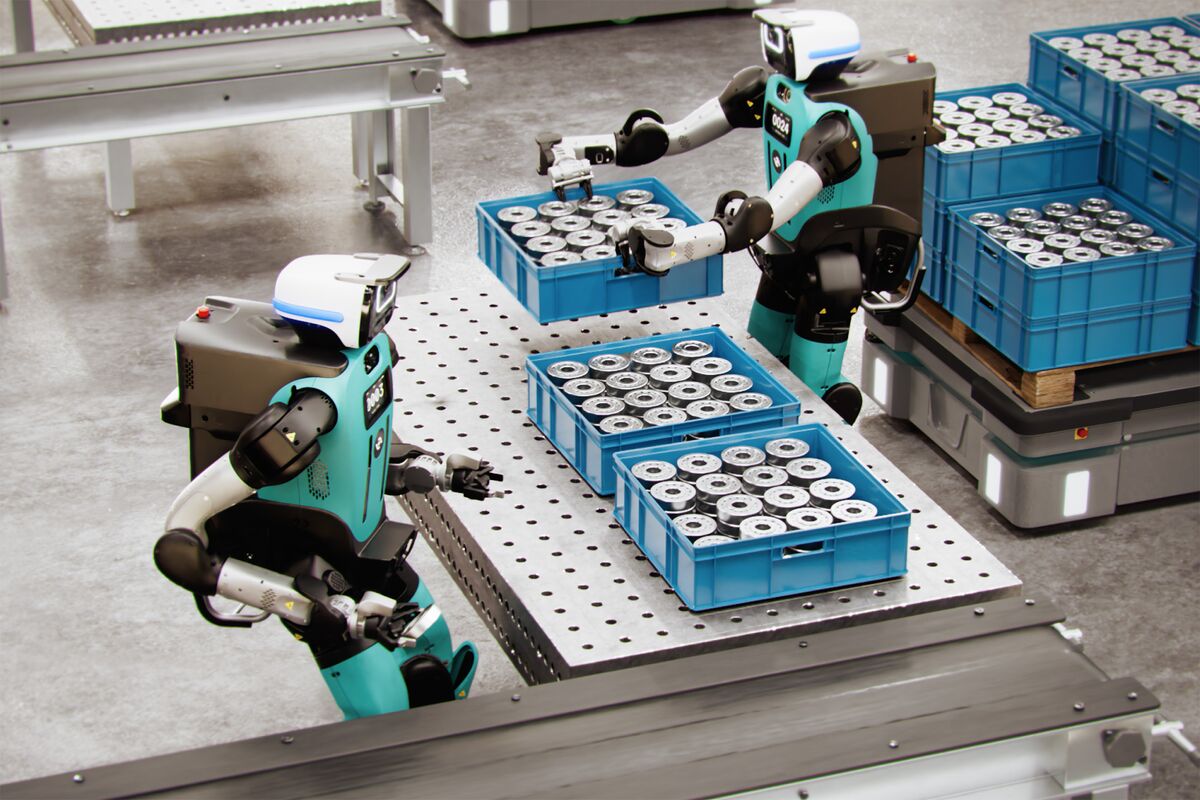
- Amazon's Proteus robot now accepts natural-language instructions from workers, eliminating the need for specialized software to direct the floor-level systems.
- The upgraded Proteus operates across far larger areas than current dock-only units, handling container transport, workstation moves, and employee assistance across fulfillment centers.
- Scott Dresser, Amazon Robotics VP, said workers can "tell it what needs to be done" and the robot determines priority, route, and timing autonomously.
- The next-generation Proteus is currently piloting in Amazon's labs, with European deployment targeted for the first half of 2027.
- Amazon framed the AI upgrade as worker-supporting technology, while also describing it as part of a "growing pivot toward automation" replacing human workers with robots.
- Vulcan, Amazon's touch-sensitive robot, and a collaborative tote-handling system first piloted in Barcelona are also slated for broader European expansion under the same robotics roadmap.
Why it matters: Amazon is giving warehouse workers a conversational interface to its most advanced autonomous floor robot — while simultaneously framing the upgrade as part of a broader pivot toward replacing human workers with automation. The H1 2027 European deployment target sets a concrete timeline for scaling language-driven warehouse robotics across Amazon's fulfillment network.
Ask SkimNews