Climate change hits Midlands with fires, drought, disease — SkimNews

Get the Energy newsletter
Daily energy & climate — solar, EVs, oil, the policy fights and tech bets shaping the transition. Free.
- Midlands experienced a winter of unrelenting rain followed by severe drought and repeated heatwaves in 2026, creating conditions for widespread wildfires and ecological damage
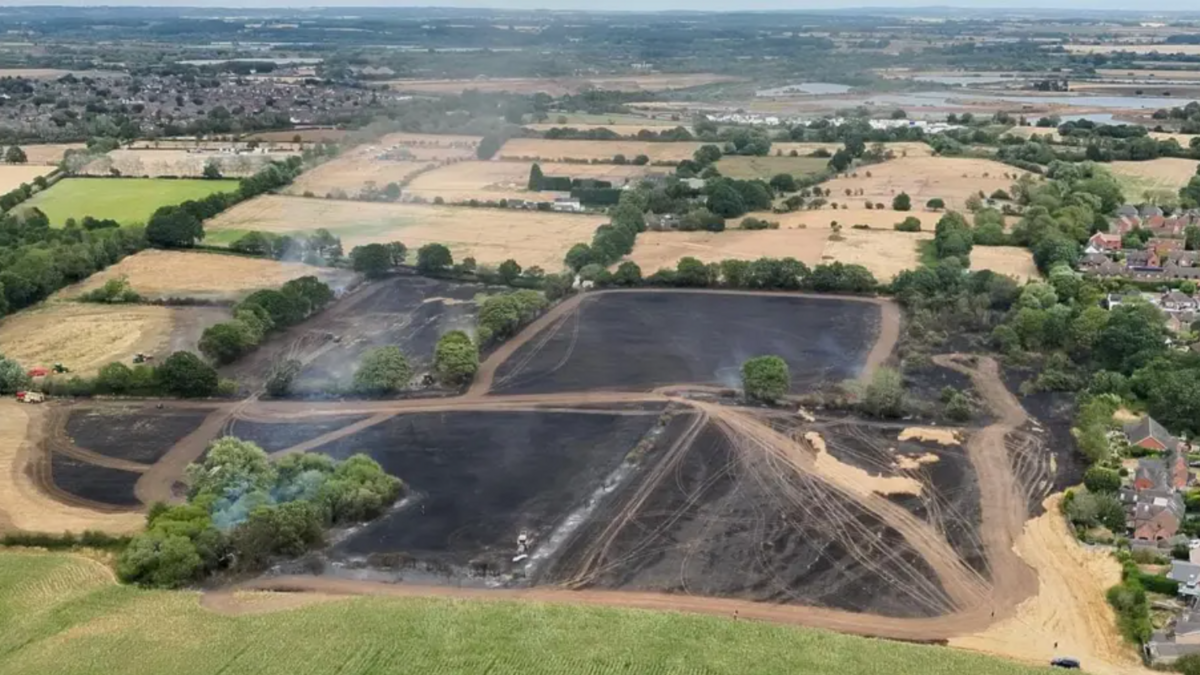
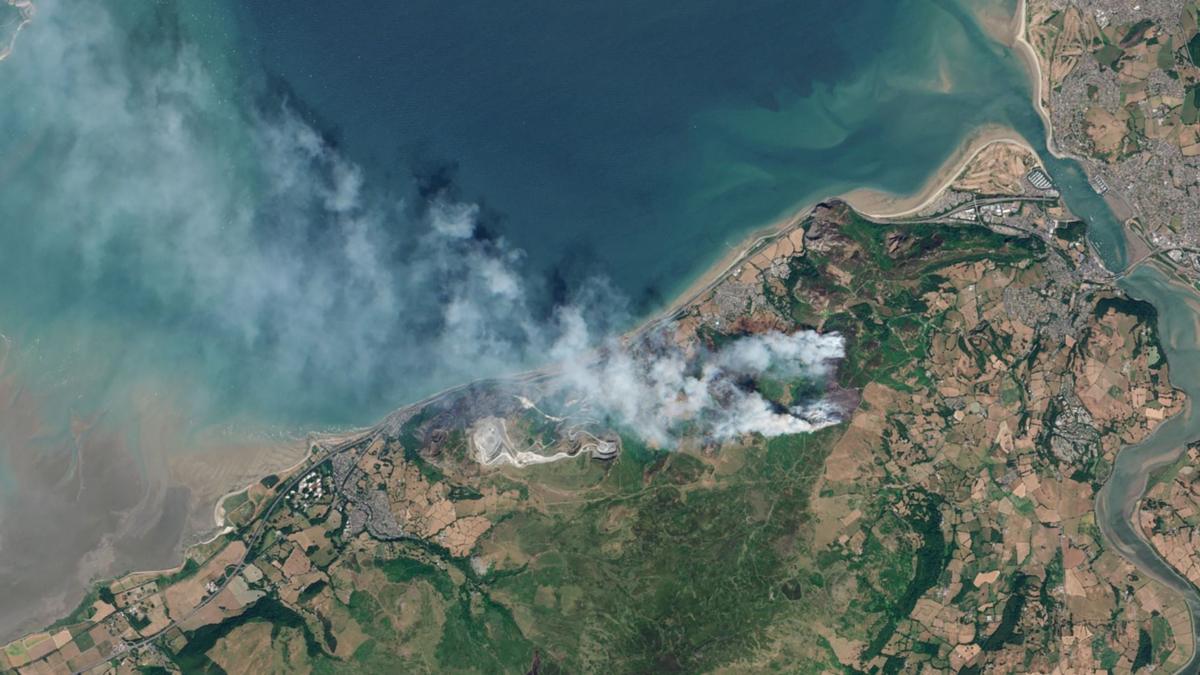
- Cannock Chase suffered wildfires that scorched vegetation, killed wildlife including adders and ground-nesting bird eggs, and altered soil chemistry, favoring invasive bracken over native heather and bilberry
- Bluetongue disease, carried by midges expanding north due to warming temperatures, reached the Midlands with 24 confirmed cases in Staffordshire and additional outbreaks across five counties by 2 September
- Farmers across the region are adapting to climate-driven threats by changing animal management practices and considering costly vaccinations against newly established diseases like bluetongue
- Staffordshire County Council rangers are working to restore fire-damaged areas on Cannock Chase and improve fire breaks and emergency access ahead of future wildfire seasons
- Severn Trent is raising the capacity of Draycote Water reservoir by 60cm to increase water storage amid growing risks to supply highlighted by the Met Office as a climate change impact
Why it matters: The cumulative effect of extreme weather, ecosystem disruption, and new agricultural threats is forcing local governments, farmers, and utilities in the Midlands to spend money and restructure operations now, confirming Met Office warnings that climate change impacts are no longer theoretical but actively reshaping regional infrastructure and ecology.
Ask SkimNews