How this summer may have been when climate change felt real — SkimNews

Get the Energy newsletter
Daily energy & climate — solar, EVs, oil, the policy fights and tech bets shaping the transition. Free.
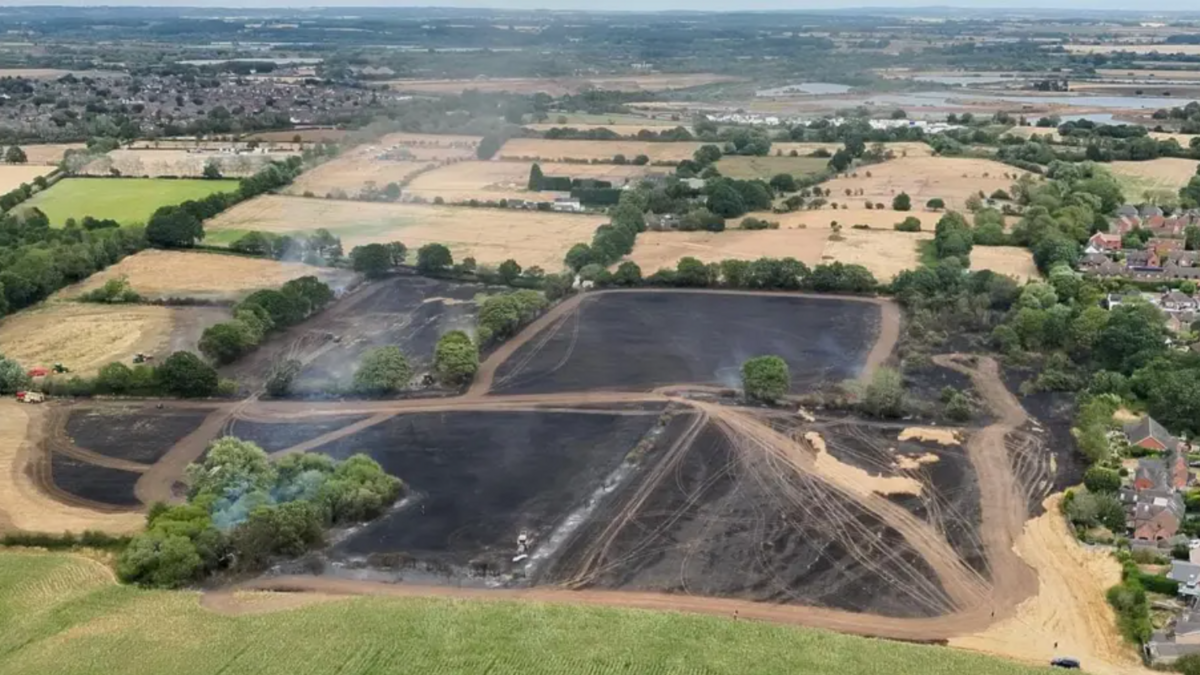
- Cannock Chase wildfires scorched rare lowland heathland, killing ground-nesting birds and adders, and left soil more nutrient-rich — a change already letting bracken crowd out the traditional heather, bilberry and cowberry pushing through the blackened earth.
- Bluetongue disease, carried by infected midges expanding north from Europe as the climate warms, had 24 confirmed cases in Staffordshire by 2 September, plus 9 in Shropshire, 2 in Herefordshire, and 1 each in Worcestershire, Warwickshire and Solihull.
- Severn Trent is raising Draycote Water reservoir by 60cm (24 inches) to hold more water, addressing a Met Office-flagged 'risk to water supplies' hitting the region.
- Midlands farmers must now keep livestock indoors during high-risk periods or pay for bluetongue vaccination, a direct cost of the warming-driven expansion of the midge vector.
- Staffordshire County Council rangers are working to restore Cannock Chase's charred landscape and improve fire breaks ahead of the next wildfire season.
- A climate correspondent with 25 years covering the region says the sequence — endless winter rain, then drought, then repeated heatwaves and fires — is why 2026 felt like the year climate change 'became real' for Midlands residents.
Why it matters: Climate adaptation has moved from future planning to present-day spending across the Midlands: Severn Trent is enlarging reservoirs, farmers are absorbing vaccination and indoor-housing costs, and rangers are racing to restore fire-scorched heathland before invasive bracken permanently displaces rare plants. The 24 bluetongue cases and burned Cannock Chase landscape show the region's rural economy and biodiversity are already bearing the bill for warming.
Ask SkimNews