G7 Presses Rubio on Iran War Plans — SkimNews
Get the Geopolitics newsletter
Daily geopolitics — wars, elections, sanctions, the diplomatic moves that move markets. Free.
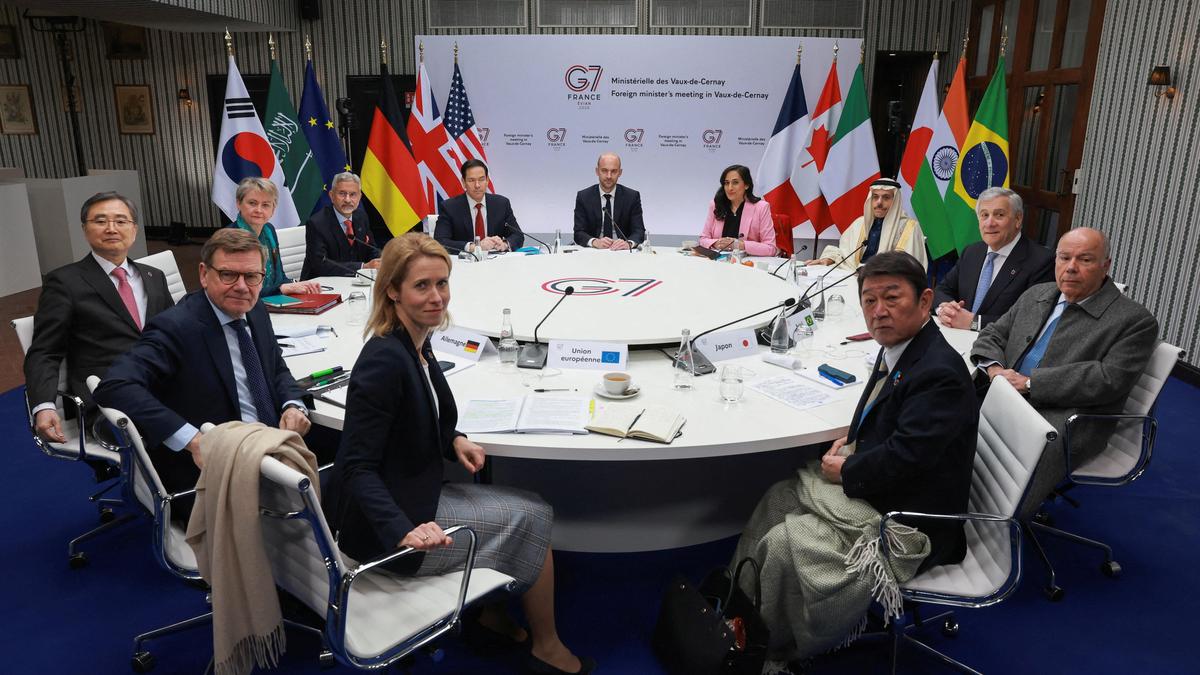
- G7 allies pressed Secretary of State Marco Rubio for clarity on U.S. Iran plans at a meeting outside Paris, almost one month after the U.S. and Israel launched the war with Feb. 28, 2026 air strikes that killed Iranian Supreme Leader Ali Khamenei.
- German Foreign Minister Johann Wadephul said allies needed to know "how the U.S. will proceed" in Iran, warning that Russia and Iran are "working together in the closest way" and that G7 unity must be strengthened to counter both theaters.
- In a break from standard protocol, the meeting will not produce a joint communique — only a unilateral statement from the French G7 presidency — a visible signal of the widening distance between the United States and its closest allies.
- UK Foreign Minister Yvette Cooper warned that Iran's de facto blockade of the Strait of Hormuz has driven up global oil prices and left vessels queuing at the energy bottleneck, urging a "swift resolution" that restores regional stability.
- Rubio, defending the war before departing, declared "The President is not just doing a favour to the United States... This is for the world," and argued that reopening the Strait was in the interest of all G7 nations.
- Wadephul cautioned that compromising on Ukraine's defense capabilities would "play into Putin's hands," while Rubio wrote on X that President Trump remains committed to a ceasefire and negotiated settlement in the Russia-Ukraine war.
- The South African presidency alleged Washington urged Paris to disinvite President Cyril Ramaphosa from the June Evian summit; French Foreign Minister Jean-Noel Barrot countered that Kenya — not South Africa — had been invited, insisting "We did not give in to any pressure."
Why it matters: The abandonment of the standard G7 joint communique in favor of a unilateral French presidency statement signals unprecedented public distance between Washington and its allies on Iran policy. Iran's de facto Strait of Hormuz blockade is already raising global oil prices, and European ministers are simultaneously insisting that any pivot away from Ukraine must not 'play into Putin's hands.'
Ask SkimNews


