Solak: Year 2 fixes for Ward, Dart, Shough and Sanders — SkimNews
Get the Sports newsletter
Daily sports — scores, transfers, the storylines from the leagues you actually follow. Free.
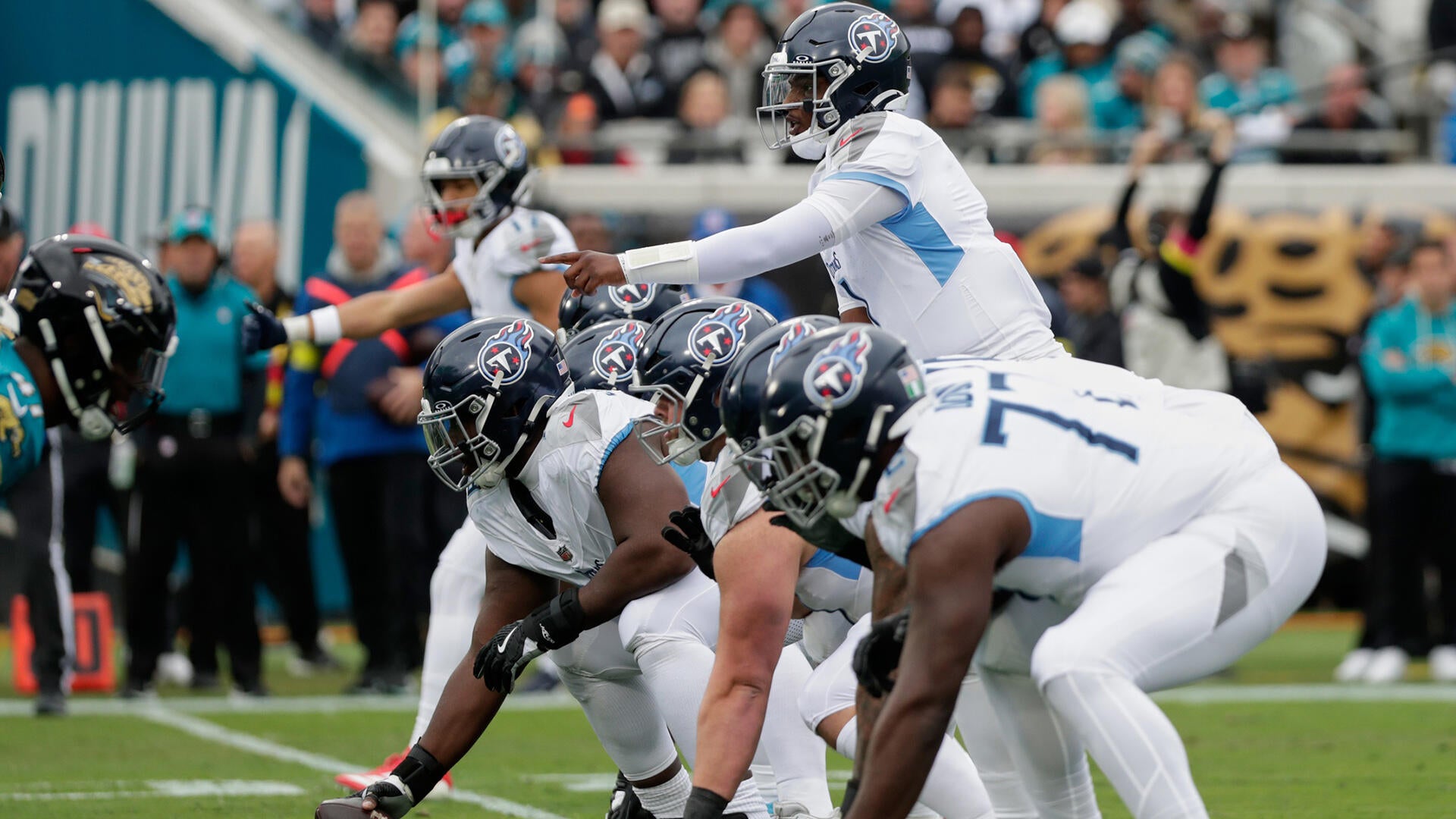
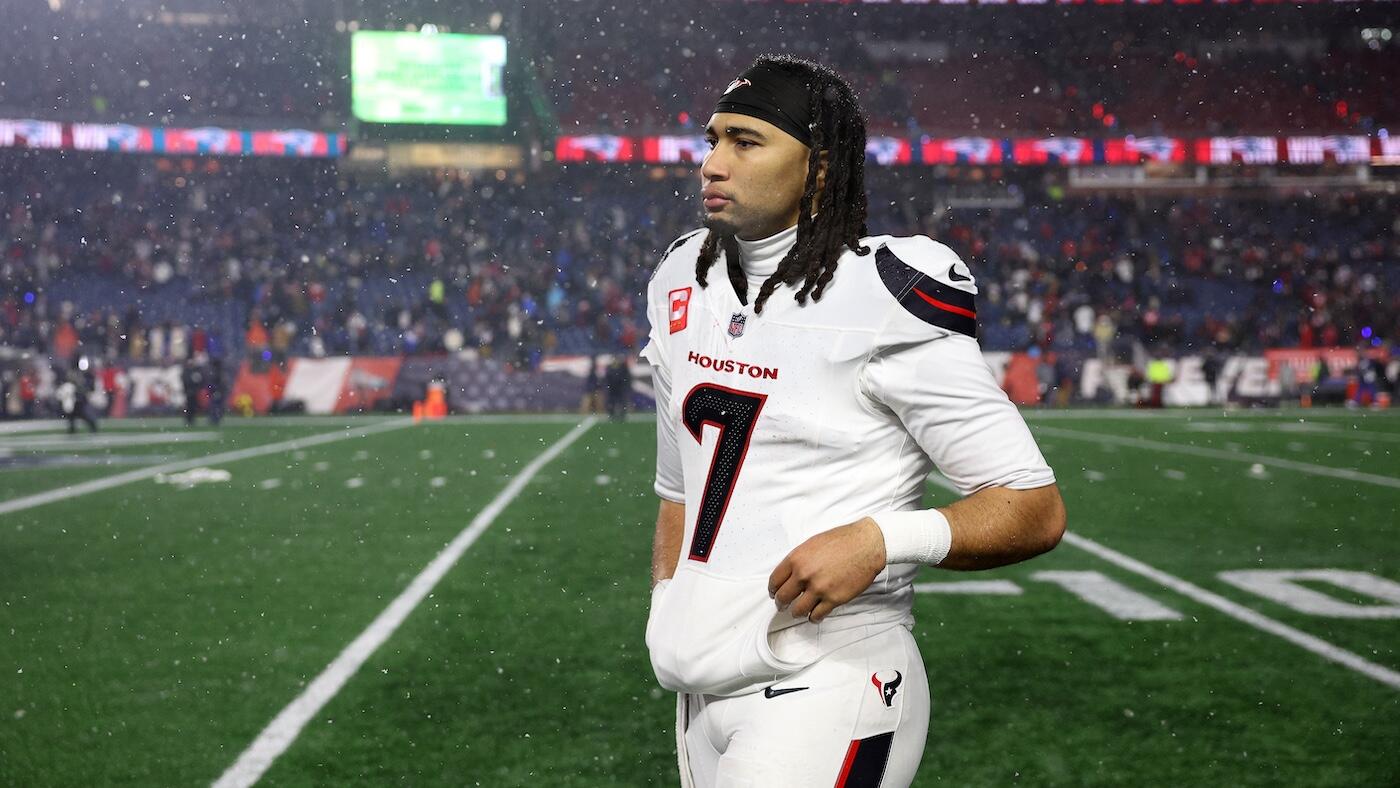
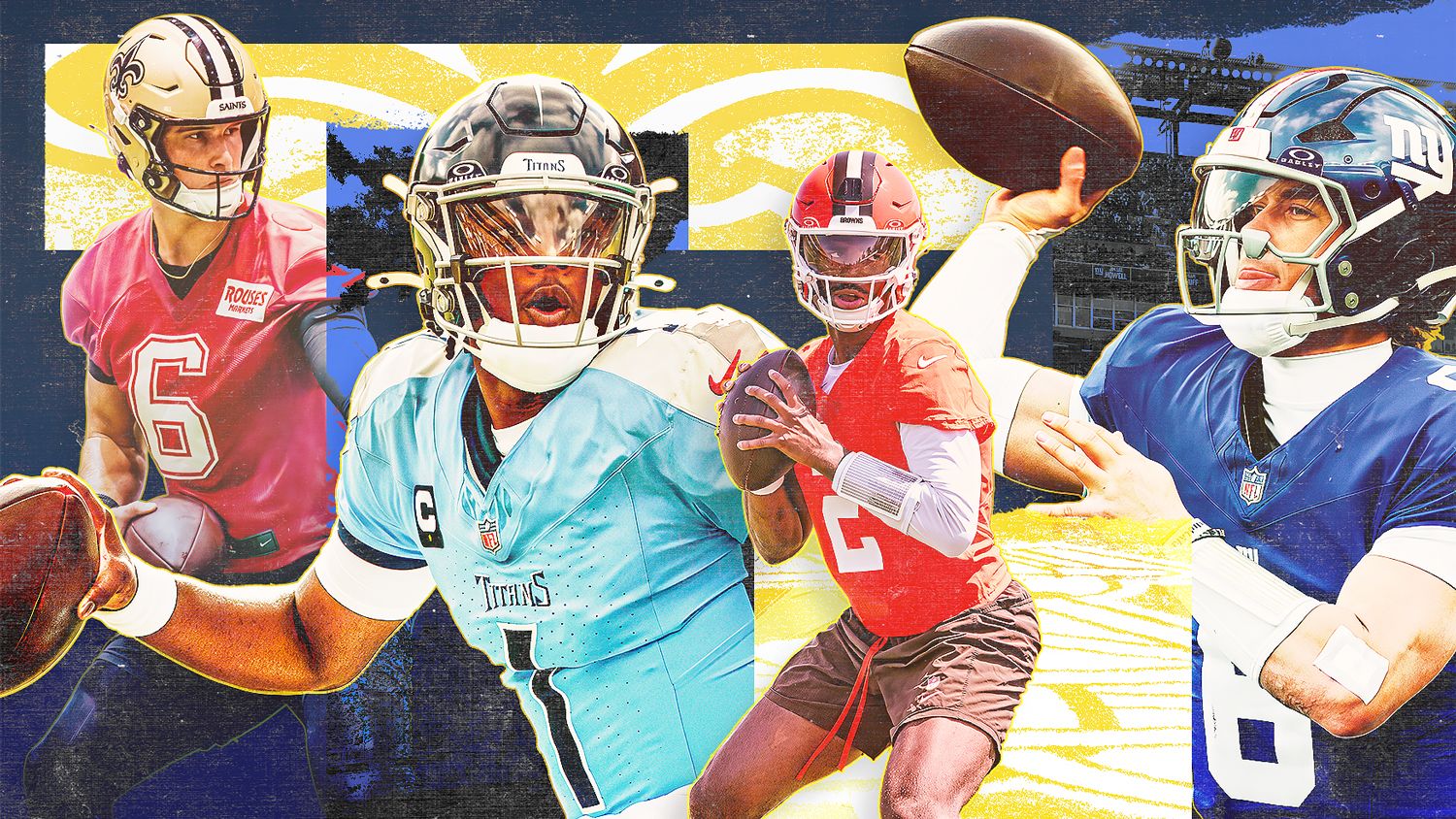
- Cam Ward ranked 36th of 38 qualifying quarterbacks in EPA per dropback and success rate as a Titans rookie, with 88 dropbacks over 4.0 seconds to throw costing him 107.3 expected points — the second-worst single-season mark on extended dropbacks this decade behind 2023 Bryce Young.
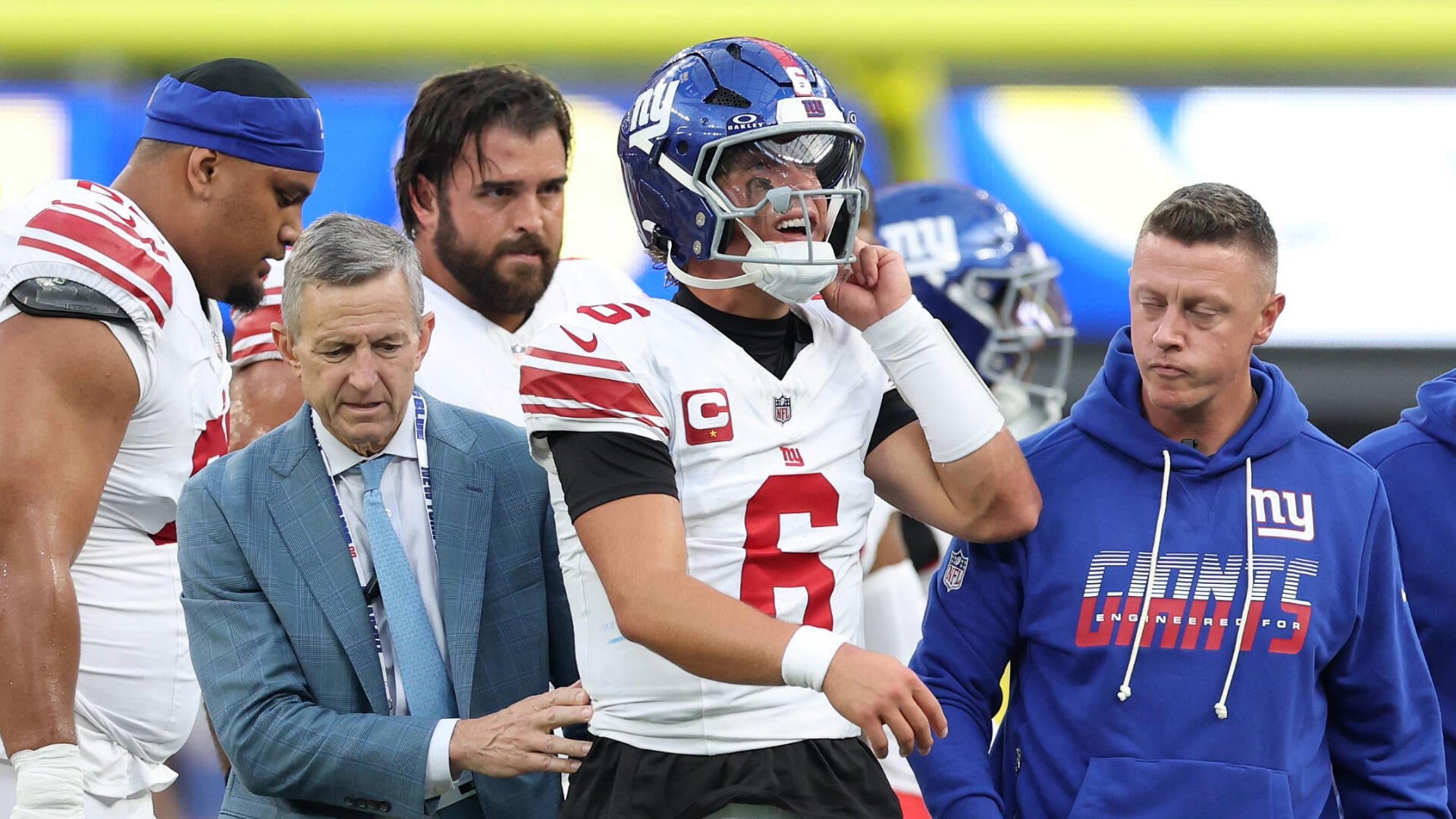
- Brian Daboll, Ward's new Titans offensive coordinator, has a track record of elevating young quarterbacks through designed QB rushing: he pushed Josh Allen's legs, increased Daniel Jones's designed rushes from 1.8 to 3.7 per game, and ran Jaxson Dart (2.9 designed runs per game, fourth in scramble rate at 9.2%) heavily in 2025.
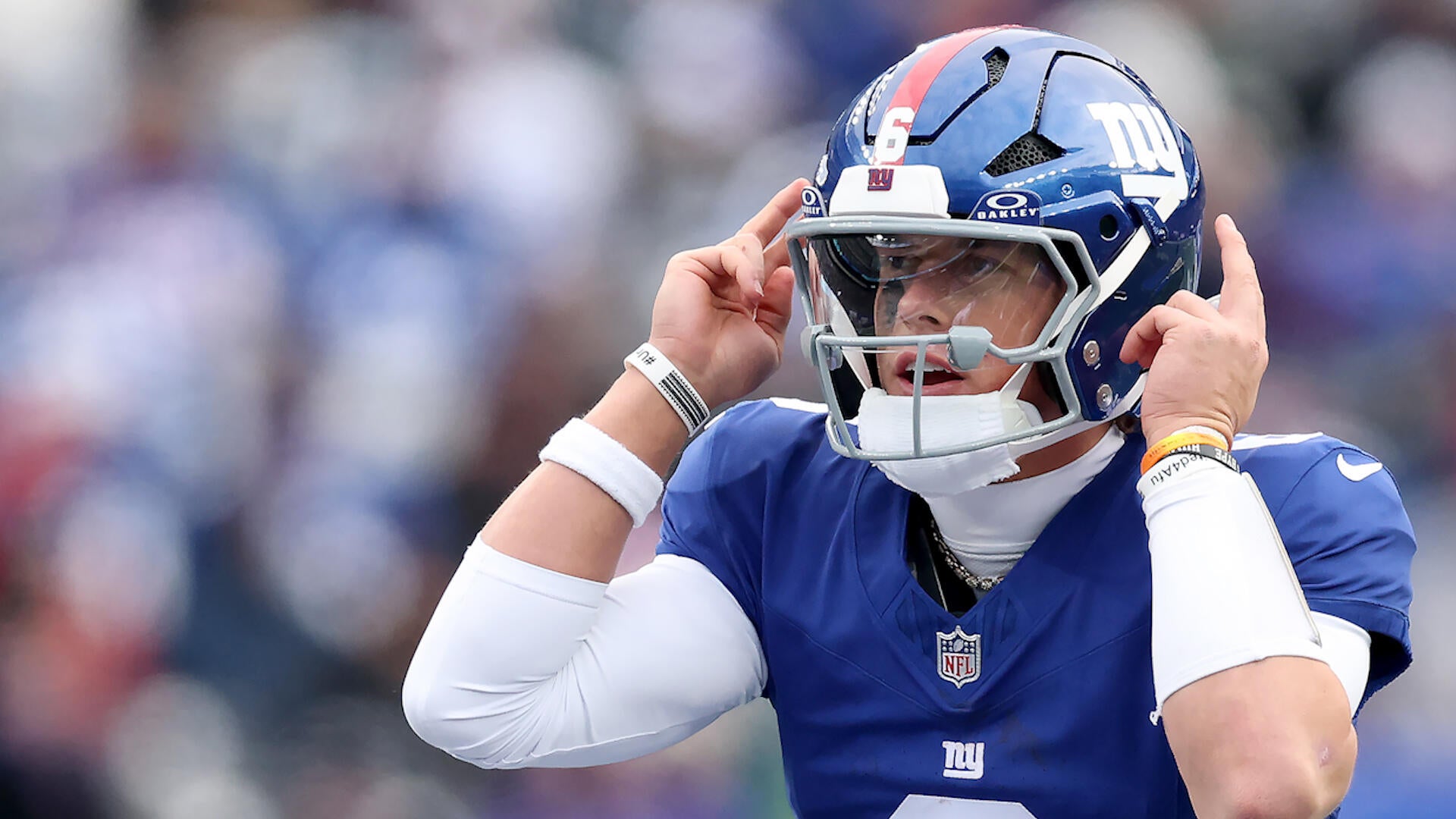
- Jaxson Dart led the league in air yards per attempt on pressured dropbacks (11.4) but finished dead last in completion percentage in those situations, with a 25.2% sack rate and 15.8% scramble rate — electric highlights, costly results.
- All four QBs played on losing teams in 2025, only one began the season as the starter, and three are already navigating head coaching changes, though Solak writes Titans, Giants and Saints fanbases "should feel reasonably excited."
- Tyler Shough earned praise for a "legit arm and big frame," while Shedeur Sanders "kept the ship afloat" as a fifth-round rookie — though Solak says the Browns "still have a ways to go."
Why it matters: For the Titans, repairing Ward's near-league-worst rookie metrics may run through Daboll's QB-run formula — the same approach that steadied Allen and Jones — with Ward's reluctance to scramble (3.7% rate vs. 5.4% league average) the clearest fixable flaw. For the Giants, Dart's high-variance style produced highlight-reel throws but a 25.2% sack rate, meaning his Year 2 leap depends on consistency rather than ceiling. Three of four sophomores face new head coaches, making 2026 a referendum on both the players and the new staffs.
Ask SkimNews