Anthropic sells to pharma, then enters the drug race — SkimNews

Get the Health newsletter
Daily health & science — research, biotech, public health, the studies worth knowing. Free.
- Anthropic launched Claude Science, a workbench for labs and pharma, at a San Francisco event Tuesday, calling biology a candidate 'general purpose technology.'link ›
- Anthropic will develop its own drugs, including for 'neglected' diseases — becoming the first frontier AI lab to openly compete with its pharma customers, head of life sciences Eric Kauderer-Abrams said.link ›
- Anthropic is hiring biologists, building wet labs, and recruiting from Big Pharma and academia, per University of Cambridge professor Namshik Han.link ›
- Dario Amodei conceded: 'We don't know for sure if that's going to work out' — no AI-designed drug has yet won FDA approval, with clinical timelines running 'the better part of a decade.'link ›
- Smithsonian researcher Elizabeth Veatch found only 1 of 3,000+ Stegodon bones at Indonesia's Liang Bua cave showed fire exposure, demolishing the 20-year claim that H. floresiensis hunted and cooked.link ›
- KAIST researchers led by Army Major Kyusoon Park developed AGCL spray-on powder that stops severe bleeding in ~1 second, absorbed 725% of its weight in blood, and survived 2 years in room-temperature storage.link ›
- Bipartisan U.S. lawmakers opened national security probes into drugmakers' clinical trials in China — particularly in the Xinjiang region and at military hospitals — with a July 17 deadline for responses.link ›
Anthropic did something audacious this week: it launched Claude Science for pharmaceutical labs, then announced it would develop its own drugs — including for 'neglected' diseases. That makes it the first frontier AI company to openly compete with its own customers, joining Isomorphic Labs, Insilico, and Big Pharma in a field where no AI-designed drug has won FDA approval. Anthropic is hiring biologists, building wet labs, and recruiting from Big Pharma while selling them Claude. CEO Dario Amodei hedged: 'We don't know for sure if that's going to work out.' A Smithsonian team at Indonesia's Liang Bua cave demolished the 20-year claim that Homo floresiensis hunted and cooked — only one of 3,000+ Stegodon bones showed fire exposure, and cut marks match Komodo dragon scavenging.
The stories behind this week
Anthropic to develop its own drugsAnthropic is blurring the line between AI vendor and drug developer — selling Claude to pharma while simultaneously racing them, a conflict OpenAI, Google, and Amazon have so far avoided. With no FDA-approved AI-designed drugs to date and clinical timelines measured in decades, the company is committing to spend heavily on wet-lab experiments and biology hires before any candidate could plausibly reach patients.

Orangutan mothers travel farther to arrange playdatesFor primatology, this 15-year dataset is rare evidence that a largely solitary ape invests extra energy — measured in forgone foraging — in offspring social play, complicating the assumption that orangutans need less peer interaction than other great apes because they live more solitary lives. The travel cost is what elevates the behavior from incidental to apparently deliberate.
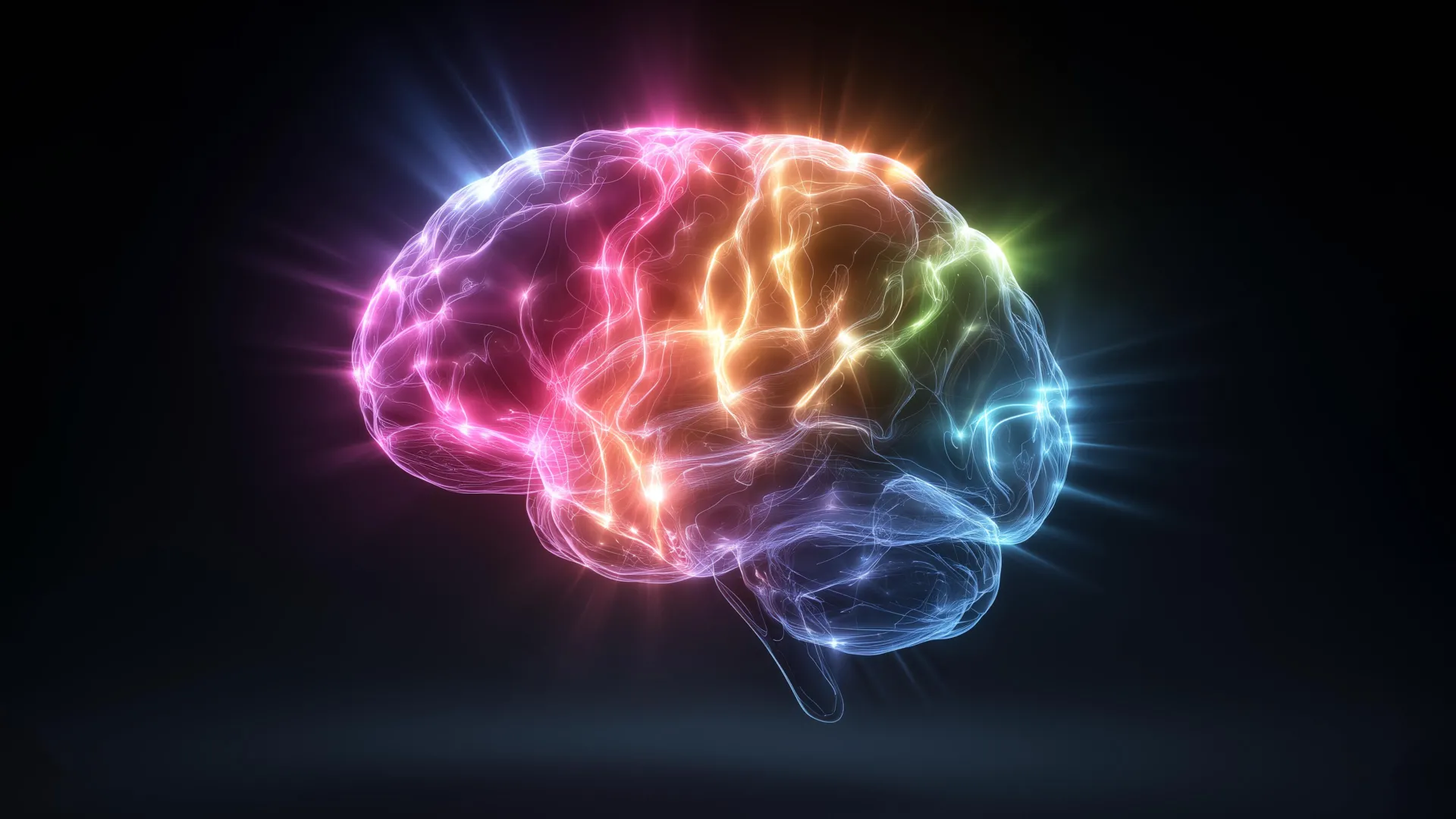
Low vitamin C linked to weaker brain networks in older adultsIf a basic nutrient like vitamin C helps preserve brain network integrity, it gives clinicians a cheap, modifiable lever for counseling older patients on cognitive health — but causation remains unproven, and the Japan-specific cohort limits how broadly the result applies.

Anthropic Launches Claude Science for Labs, PharmaClaude Science puts Anthropic directly into the toolkit that pharma researchers and lab scientists rely on, a high-value vertical where AI competitors are also racing to embed themselves. Amodei's hedged framing — acknowledging the bet might not pay off — signals this is an early, exploratory product rather than a proven revenue driver.
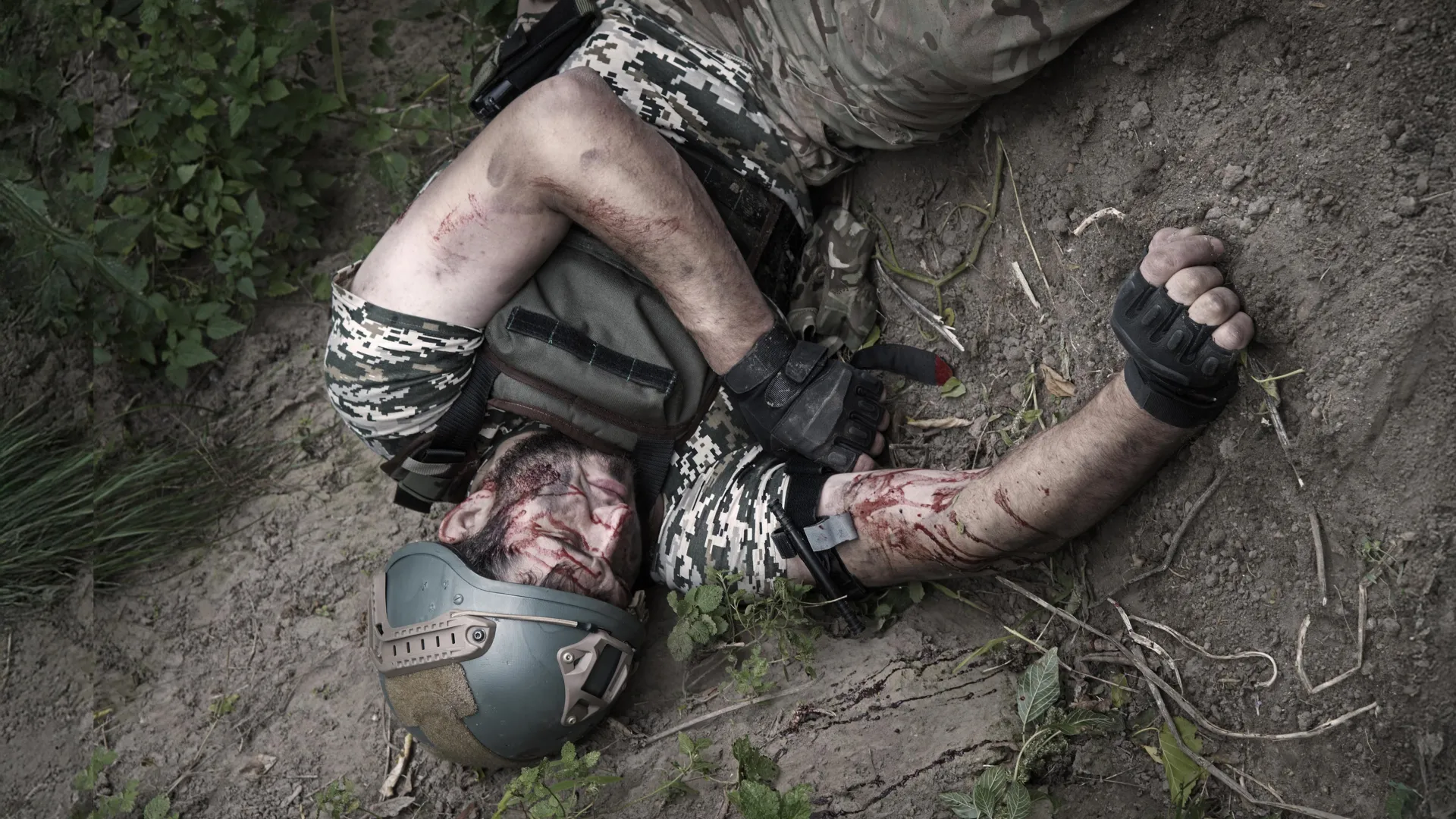
KAIST Spray Powder Stops Severe Bleeding in 1 SecondHemorrhage is the leading cause of combat-injury death, so a hemostatic that seals deep, irregular wounds in roughly 1 second and survives two years of harsh storage directly addresses a battlefield-medicine bottleneck the source documents — and the ionic gelation mechanism distinguishes it from products that work mainly by absorption.

Post-quantum gravity: 'wobbly' time becomes testableIf experiments confirm post-quantum gravity, it would be the first empirical crack in the century-old assumption that all fundamental forces are quantum — resolving the long-standing clash between general relativity and quantum mechanics while raising entirely new questions about reality at its most basic level. The decades-long experimental timeline means physicists may debate the implications long before any verdict arrives.

Lawmakers Probe Drugmakers Over China Clinical TrialsThe bipartisan nature of the congressional probe gives it weight that could force drugmakers to disclose sensitive details about their China operations and potentially reshape clinical trial partnerships there. Separately, FDA scientists publicly breaking with Kennedy on peptides signals that the agency's career staff are willing to push back against the health secretary's deregulatory agenda from within.

'Hobbit' hominins scavenged Komodo dragon leftoversThe study directly refutes the original 2004 claim that H. floresiensis hunted large game and controlled fire — of 3,000+ Stegodon bones in their cave layers, only ONE showed fire exposure. With cognition now downgraded, paleoanthropologists face a sharper evolutionary puzzle: whether the species descended from small African hominins or from dwarfed H. erectus that lost certain abilities.
Why it matters: Anthropic is now selling Claude to drugmakers while openly competing with them — a structural conflict that, if Claude Science flops, will make every AI vendor's healthcare pitch harder to close.
Ask SkimNews


