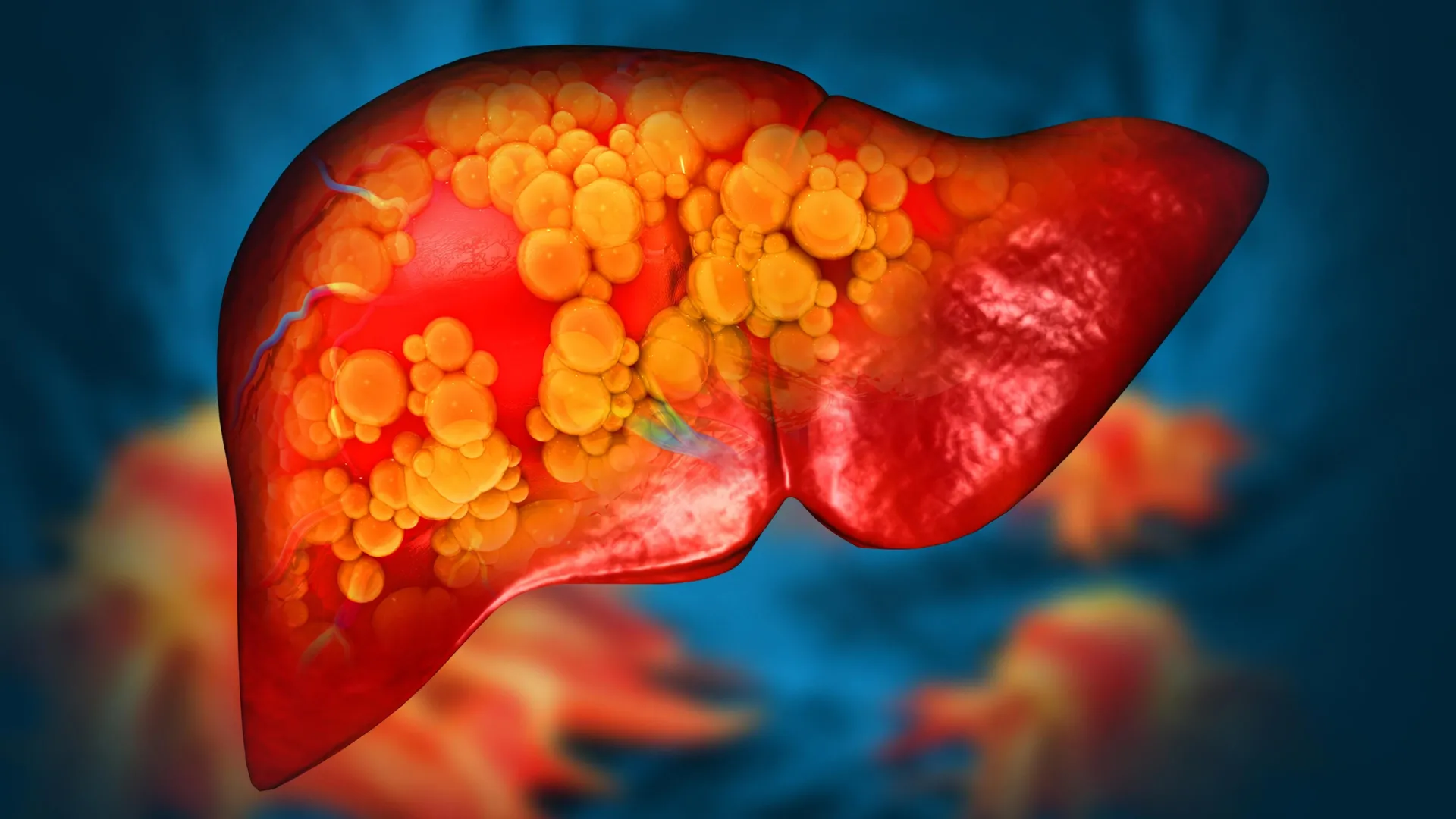
Bepirovirsen 20% Cure Could Cut Hepatitis B Costs — SkimNews

Get the Health newsletter
Daily health & science — research, biotech, public health, the studies worth knowing. Free.
- GSK’s experimental hepatitis B drug bepirovirsen achieved functional cure in 20% of participants in a Phase 3 trial, versus 0% on placebo.link ›
- National Screening Committee recommends PSA testing only for men with BRCA2 mutations and a family cancer history, covering a few thousand high‑risk men annually.link ›
- UPatch wearable ultrasound patch can continuously monitor fetal health, aiming to detect complications early and reduce stillbirths.link ›
- Brian Wong at UC Irvine demonstrated electromechanical reshaping corrected nearsightedness in rabbit eyes within a minute, preserving corneal integrity without incisions or lasers.link ›
- Cambridge researchers built brain‑spinal cord organoids that can regrow damaged nerves, suggesting a reversible mechanism for spinal cord repair.link ›
- Researchers found that setting “above‑average” goals boosts success rates, while extreme ambitions lower odds.link ›
- Japanese researchers linked vitamin B12 and folate deficiencies to chronic fatigue in otherwise healthy adults.link ›
- Adriane Fugh‑Berman warns the perimenopause movement medicalizes normal aging, expanding hormone‑therapy markets.link ›
Bepirovirsen is reported as a breakthrough hepatitis B treatment achieving a 20% cure rate, with potential to cut mortality and billions in treatment costs.
The stories behind this week
STAT+: Experimental hepatitis B treatment was a ‘functional cure’ for nearly 1 in 5, new data showPatients with chronic hepatitis B gain a realistic chance of cure, and the therapy’s 20% functional‑cure rate can slash death rates and lower liver‑cancer costs, saving billions in healthcare spending.

Researchers' Model Shows Modest Goals Boost SuccessPeople who set realistic, above‑average targets will achieve higher success rates, while those who chase extreme ambitions risk lower outcomes; firms that promote modest goals can boost overall productivity.

Prostate cancer screening only for 'a few thousand' high risk menMen with BRCA2 mutations gain targeted early detection, while the broader male population avoids costly overtreatment and associated quality‑of‑life losses; NHS resources shift to high‑risk screening, potentially reducing wasteful spending.

Opinion: How the perimenopause movement is hurting womenThe 2023 search surge (count) expands the consumer base for hormone‑therapy makers, while women risk being steered toward unnecessary medication, reshaping prescribing practices and prompting clinicians to reevaluate treatment guidelines.

Japanese Study Links B12 & Folate to Chronic FatiguePatients and clinicians gain a clear target for treating persistent tiredness; by identifying B12 and folate deficiencies, healthcare systems can avoid costly diagnostic odysseys, reduce unnecessary testing, and boost workplace productivity.

UPatch Wearable Ultrasound Monitors Fetus ContinuouslyExpectant mothers and clinicians gain real‑time fetal health data, while early detection helps prevent stillbirths, shifting prenatal care toward continuous monitoring and improve outcomes for families.

Cambridge Organoids Reveal Way to Regrow Damaged NervesPatients with spinal cord injuries will gain new therapeutic options, cutting long‑term care costs and expanding the market for neuro‑regeneration drugs, while biotech firms can accelerate product pipelines.

EMR Corrects Nearsightedness Without LasersIf EMR proves safe and effective in humans, millions with refractive vision problems could avoid the risks and costs of LASIK. Patients gain access to a potentially reversible, non-surgical option, while eye surgery clinics and laser equipment makers may face disruption if demand shifts.
Why it matters: The source frames bepirovirsen's 20% cure rate as a breakthrough that could slash hepatitis B mortality and billions in treatment costs, calling it a force reshaping global health priorities. For health systems spending billions on chronic hepatitis B management, a 20% cure rate offers a path to reducing long-term treatment burdens.
Ask SkimNews