From the farm to your door: How our global food system exploits workers — SkimNews
Get the Energy newsletter
Daily energy & climate — solar, EVs, oil, the policy fights and tech bets shaping the transition. Free.
- IPES-Food released a report Monday finding that exploitation is deeply embedded across the global food system, affecting the 1.4 billion people who produce, process, distribute, and deliver food worldwide.
- Roughly 400 million food system workers — about 30% of the total — earn less than a living wage, while 60-80% are informally employed, the highest share in any industry, and they earn about half what conventionally employed workers do.
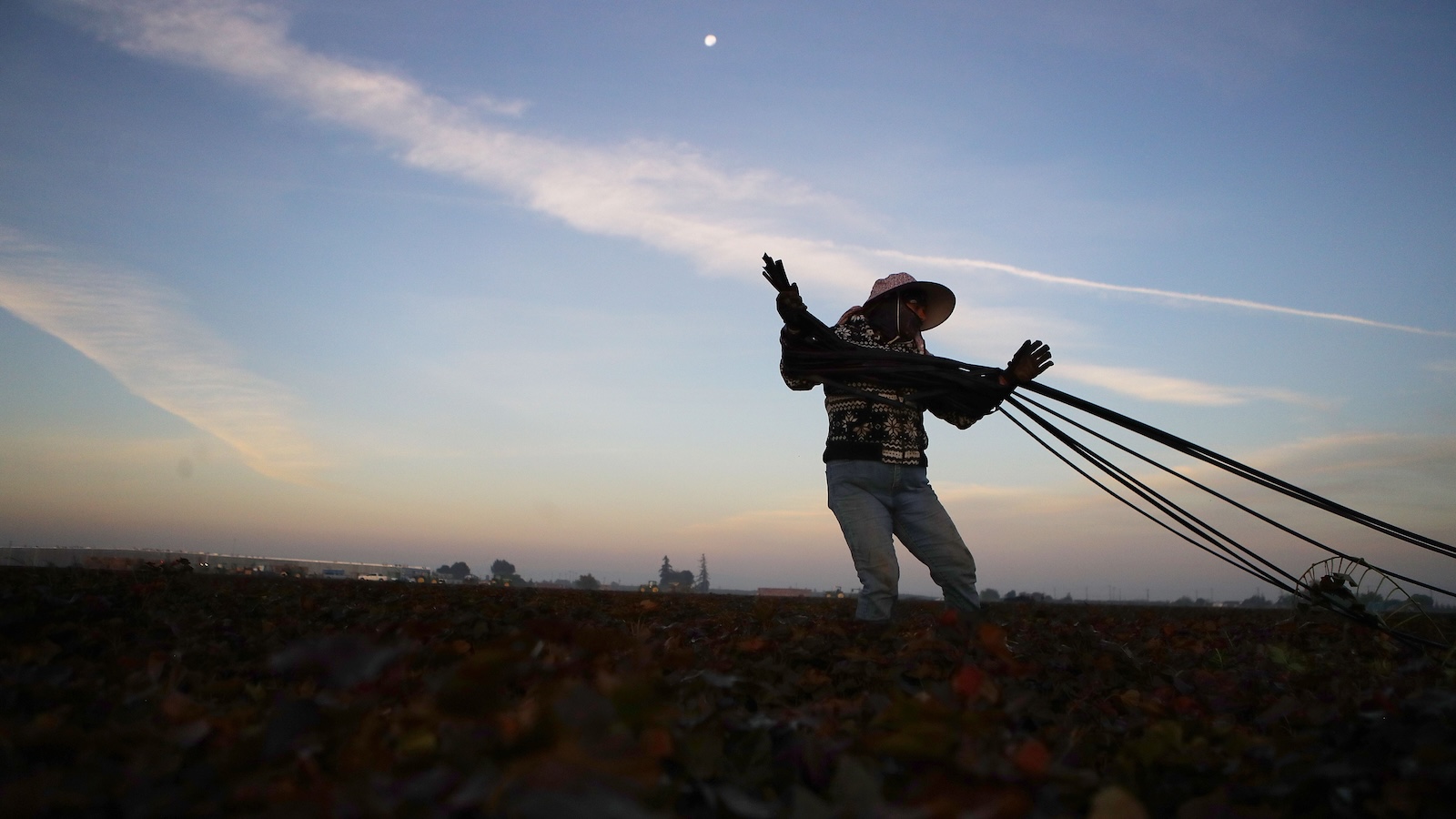
- An estimated 2.1 million people in agriculture work under forced-labor conditions; migrants, who make up roughly a quarter of farmworkers globally, are three times as likely to face such conditions and more likely than peers to die on the job.
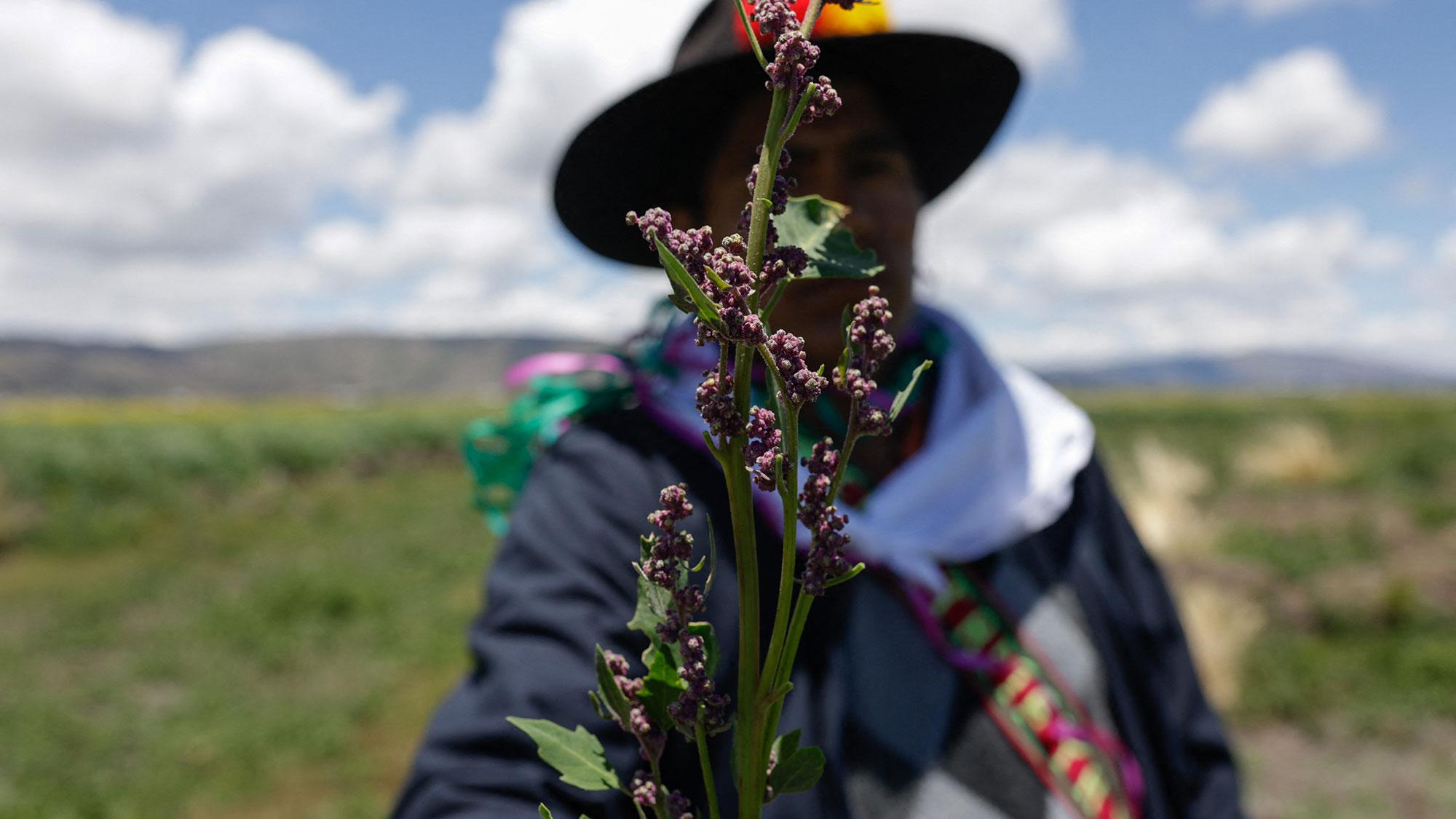
- The report traces modern exploitation to colonialism, land dispossession, forced labor, and racialized labor systems that have long harmed Indigenous communities, noting it is routinely dismissed as "unskilled" despite encompassing millennia-old expertise in plant medicines and drought-resistant crops.
- Los Deliveristas Unidos — whose membership includes many Indigenous workers from Guatemala and Mexico who migrated to escape violence and climate impacts — has won minimum wages and other protections for NYC app-based delivery workers, offering a model the report cites.
- IPES-Food expert Raj Patel explicitly rejected the trade-off between affordability and worker rights, arguing "we have choices about protecting workers, and we're choosing not to do any of those things."
Why it matters: The IPES-Food report quantifies exploitation across a supply chain employing 1.4 billion people, including 2.1 million in forced agricultural labor and migrants facing triple the forced-labor risk. By directly arguing that better worker protections need not raise food prices, the authors hand reformers a data-backed counter to the affordability-vs-labor-rights framing that food industry lobbies routinely invoke.
Ask SkimNews