Nepal Glacier Collapse Kills 160 as Warming Destabilizes Ice — SkimNews
Get the Energy newsletter
Daily energy & climate — solar, EVs, oil, the policy fights and tech bets shaping the transition. Free.
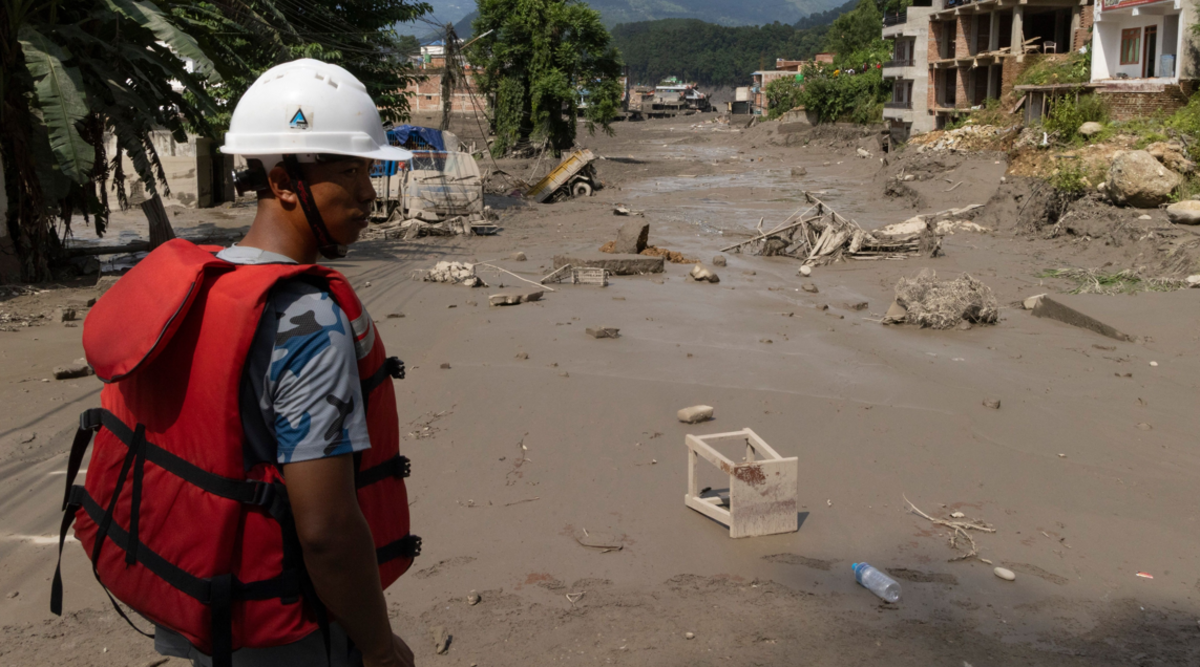
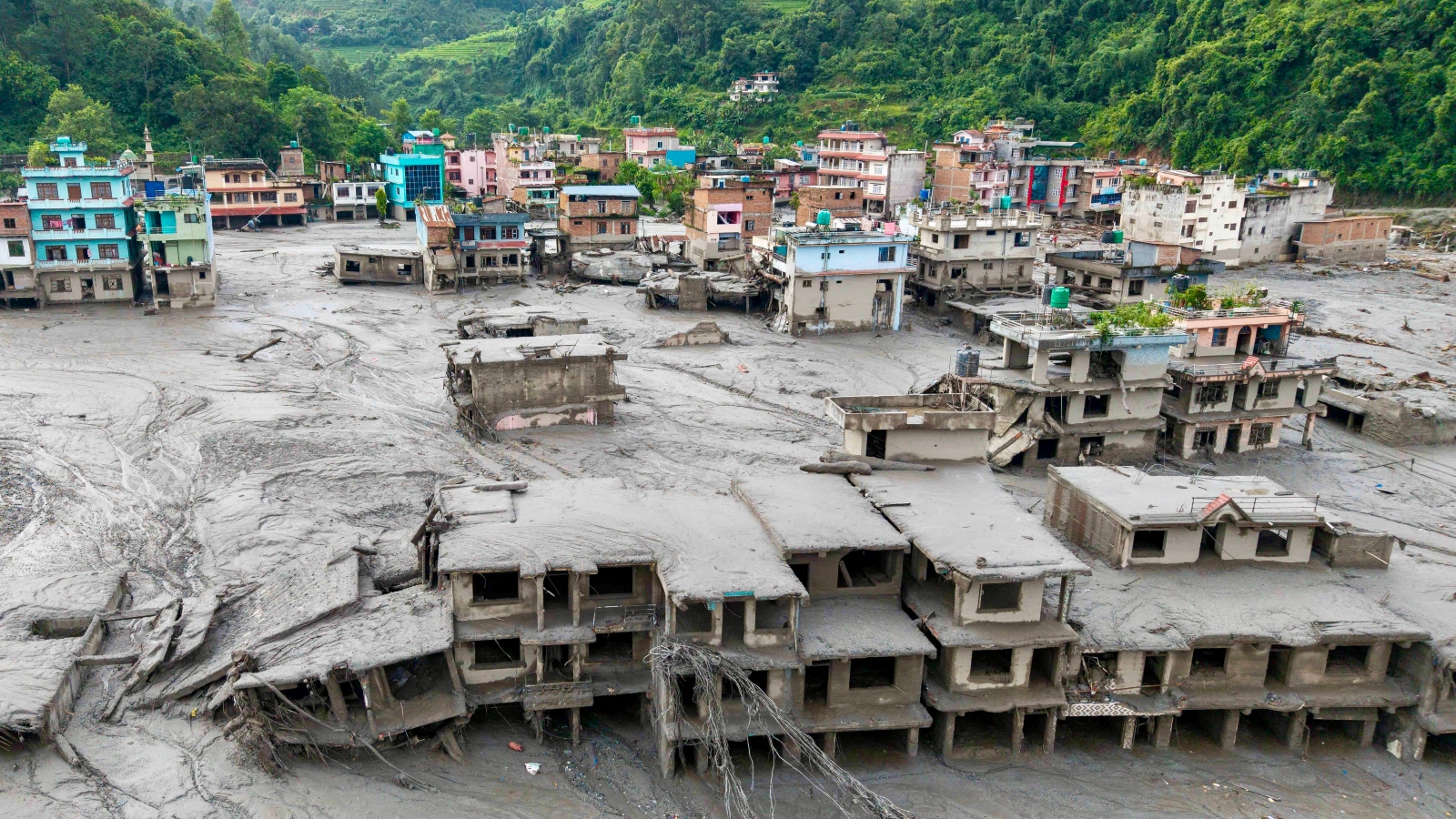
- Flash floods on the Nepal-Tibet border killed roughly 160 people and left hundreds missing, including dozens of international tourists, after a glacial collapse on Wednesday.
- Satellite imagery suggests a 2,000-foot-wide piece of ice fell nearly 4,000 feet into the valley below, "pulverizing the ice into water," according to University of Calgary geologist Daniel Shugar, who cautioned the cause is still being confirmed.
- The collapse registered as a magnitude 5.2 seismic event, according to the U.S. Geological Survey.
- Nepal's glaciers have lost nearly a quarter of their area between 1970 and 2010, with more than 160 smaller glaciers vanishing entirely, while the world's glaciers have shed 5% of their ice since 2000.
- Retreating glaciers leave large dammed lakes at higher elevations, creating conditions for glacial lake outburst floods — two of which hit Nepal last year, per University of Northern British Columbia associate professor Joseph Shea.
- Recent research warns that 40% of the world's glacial ice could disappear if global warming is not held under 1.5 degrees Celsius.
- Similar glacier collapses — a Swiss event last year that buried a town, and a 2022 Italian collapse that killed 11 mountaineers — have also been linked to rising temperatures.
Why it matters: Roughly 160 people died in a single event tied to glacier instability in a warming climate, and Nepal's glaciers have lost nearly a quarter of their area since 1970. With glacial lake outburst floods already striking Nepal twice last year and 40% of the world's glacial ice threatened above 1.5°C of warming, each warm season now poses escalating hazard to downstream mountain communities and the tourists who travel through them.
Ask SkimNews