Most Rural Voters Say Trump's Health Policies Fall Short — SkimNews

Get the Health newsletter
Daily health & science — research, biotech, public health, the studies worth knowing. Free.
- An AP-KFF poll of 2,241 rural registered voters conducted Aug. 12-24, 2026, found about 8 in 10 said the Trump administration's health policies have had a negative effect or no impact on people in their communities, including 68% of those who identify with the MAHA movement.
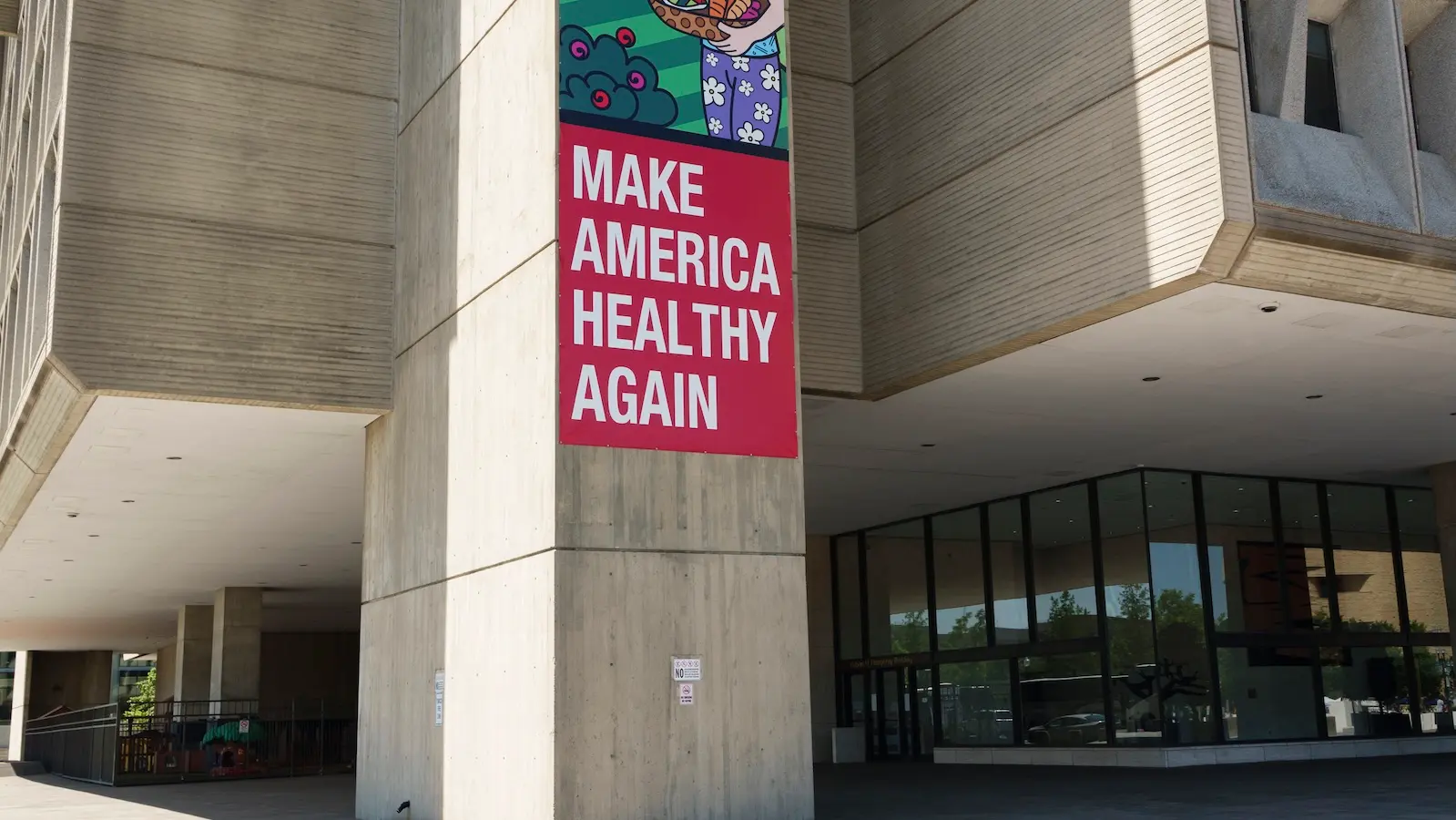
- Robert F. Kennedy Jr. has used the MAHA label to push abandoning long-standing vaccine guidance, researching ultraprocessed foods, and investing in regenerative agriculture, and has personally campaigned in Iowa ahead of midterms to galvanize rural support.
- Rural healthcare infrastructure is deteriorating: 35% of rural voters said their community lacks enough hospitals, up from 21% in a 2017 KFF-Washington Post survey, and nearly half reported insufficient doctors, with even more citing mental health worker shortages.
- Last year's Republican tax and spending bill cut over $900 billion in projected Medicaid spending over a decade, and 80% of working-age rural voters on Medicaid said they are very or somewhat worried about health care costs.
- Texas small business owner Kim Solis said her marketplace insurance premium jumped from $0 to $166 per month after Trump returned to office, with copays rising and each spouse's deductible increasing by $2,000.
- Trust in Kennedy and Trump for reliable health information splits sharply along partisan lines: 74% of rural Republicans reported a great deal or fair amount of trust in Kennedy versus 10% of rural Democrats, with comparable 69% vs. 5% numbers for Trump.
- Most rural voters said they trust their own doctors and health care providers for health information over government agencies or officials, regardless of party, undercutting Kennedy's authority-first communication style.
Why it matters: With 68% of self-identified MAHA supporters reporting no benefit from Trump's health policies, the administration faces a midterm credibility gap in the rural districts that powered its 2024 coalition. The $900 billion Medicaid cut amplifies the risk, as 80% of working-age rural Medicaid enrollees report cost worries — a concrete pocketbook vulnerability Democrats can target in tight races, including in Iowa where a MAHA-aligned candidate already defeated a Trump-backed congressman in the June primary.
Ask SkimNews