Michigan Wine Industry Confronts Wildfire Smoke Risk
Get the Energy newsletter
Daily energy & climate — solar, EVs, oil, the policy fights and tech bets shaping the transition. Free.
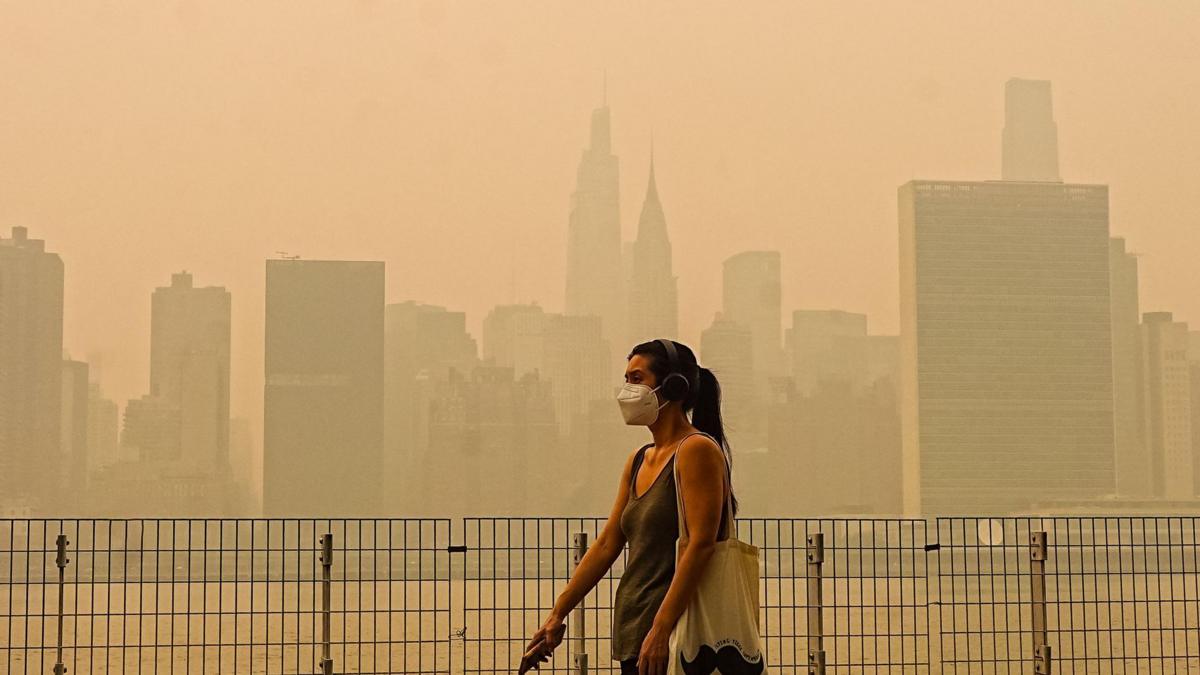
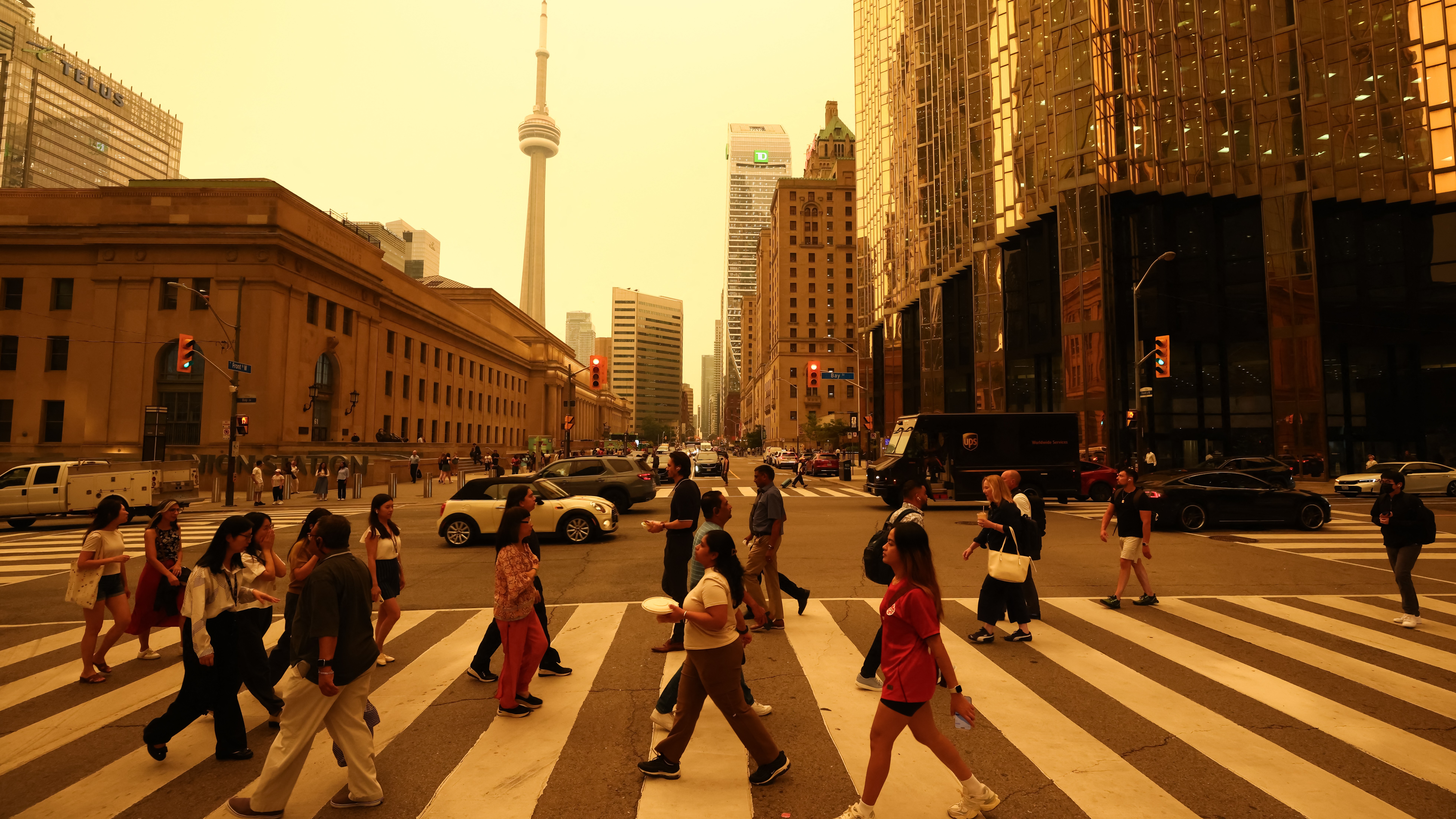
- Shady Lane Cellars general manager Kasey Wierzba watched pinky, peachy wildfire smoke haze filter through her Leelanau Peninsula vineyard last month, though the worst fires were burning in Ontario and Minnesota, per the U.S. Forest Service, which has tracked more than 64,000 acres destroyed.
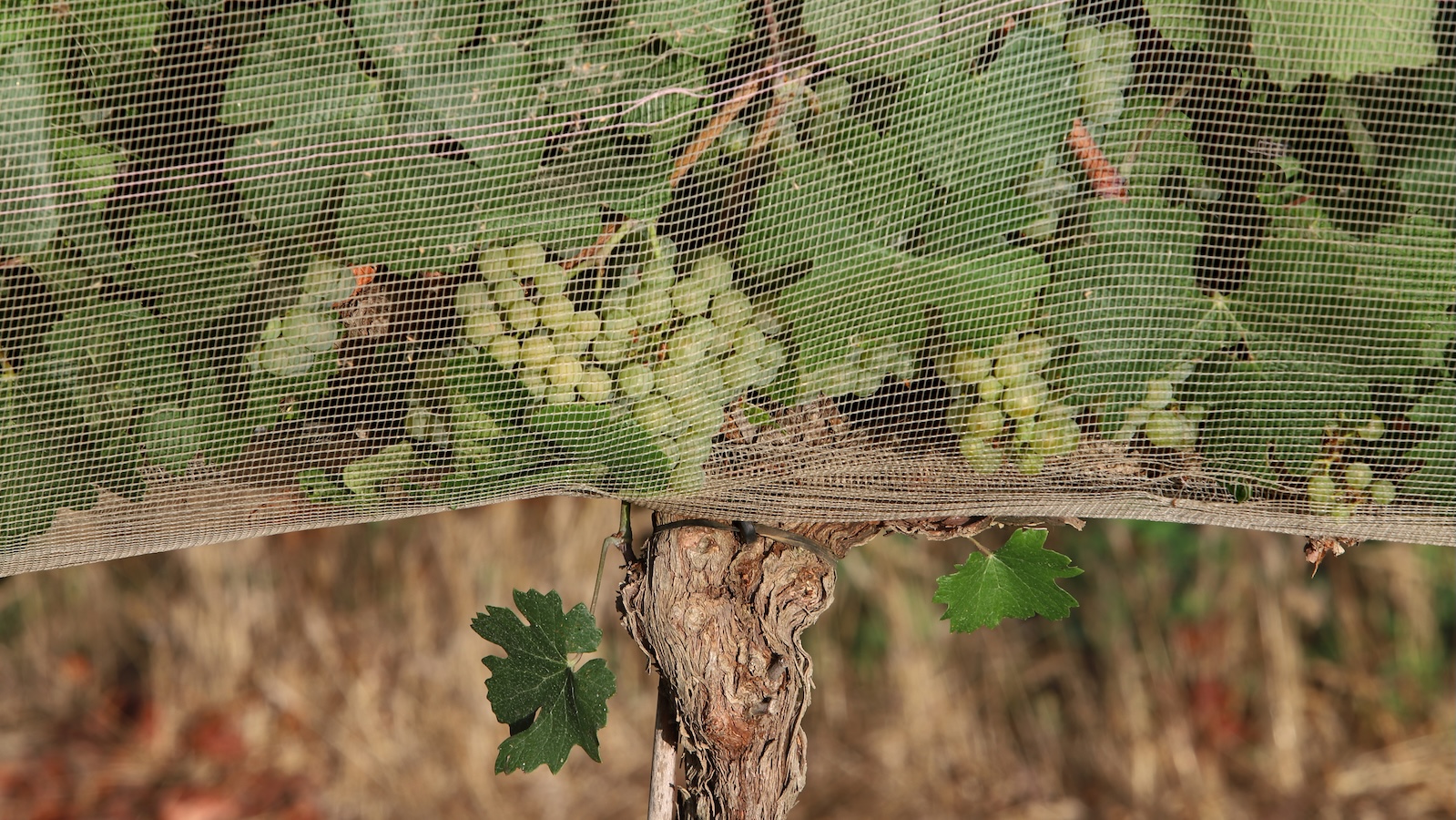
- Michigan's wine industry, valued at nearly $9 billion, escaped damage this time because grapes across the region were still in the early "buckshot berry stage" — too immature for smoke compounds to bind to the skin and tissues.
- Paolo Sabbatini, a viticulture professor at Michigan State University, fielded 10 calls from Michigan grape growers asking about smoke impacts after the event, and said he was "pretty confident" exposure was too brief to cause damage.
- Smoke taint produces unwanted flavors — described in the industry as ranging from "barbecued food to burnt bacon" — but the compounds only become detectable during fermentation, making early-season damage nearly impossible to measure, according to UC Davis department chair Ben Montpetit.
- Southwestern France wildfires have already scorched more than 160 square miles near Bordeaux, with ash falling directly onto vineyard fruit — a preview of what Michigan could face as climate change intensifies fire seasons.
- The latest draft of the U.S. farm bill includes a directive for more research and development into wine grapes and wildfire smoke exposure, signaling growing federal attention to the problem.
- Brian Hosmer of Chateau Chantal on Old Mission Peninsula said adaptation is simply "part of the job," calling winemaking "legalized gambling" as growers weigh warmer summers and increased local fire danger around their vineyards.
Why it matters: Michigan's $9 billion wine industry is entering a new phase of climate adaptation where the threat isn't just temperature or frost but airborne smoke from distant fires — a hazard that hides until fermentation. With Bordeaux already losing vineyard-adjacent forest and federal research funding now on the table in the farm bill, Michigan growers face a steep learning curve that could reshape vineyard siting and varietal choices across the Midwest.