Trump threatens new Canada tariffs over wildfire smoke — SkimNews
SkimNews Take
Reframing climate-driven wildfire smoke as Canadian "negligence" converts a transboundary environmental externality into a bilateral trade grievance, turning a shared atmospheric consequence into a one-sided liability claim.
Get the Energy newsletter
Daily energy & climate — solar, EVs, oil, the policy fights and tech bets shaping the transition. Free.
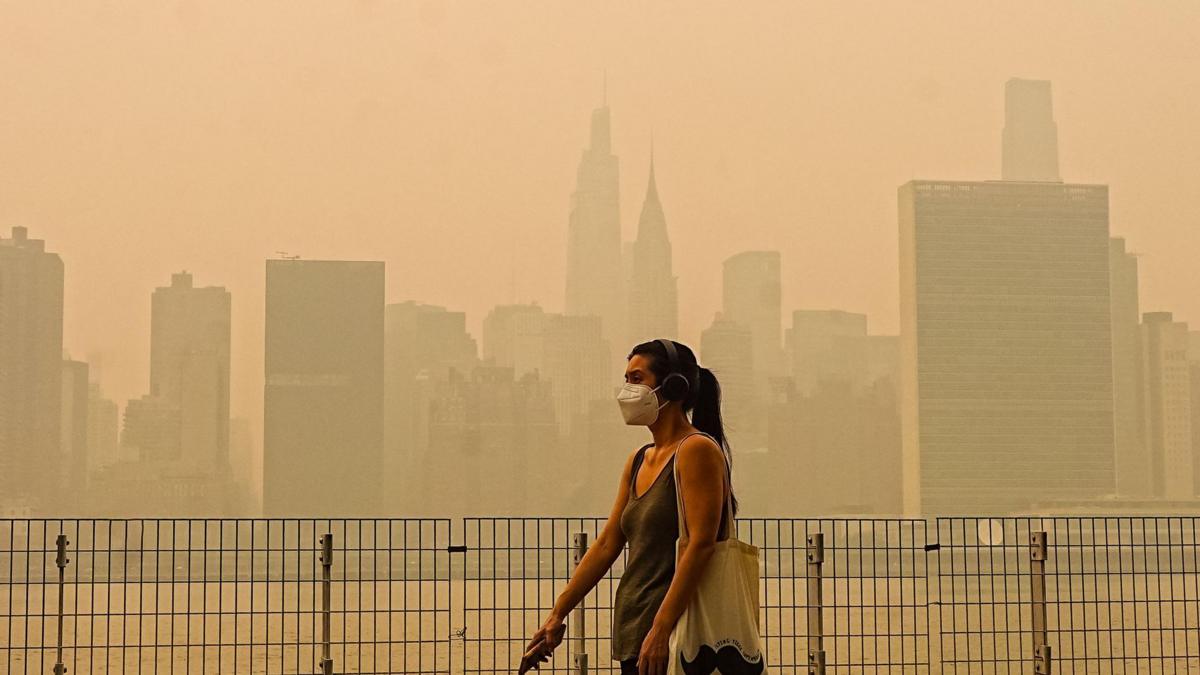
- Donald Trump threatened new tariffs on Canada in a Truth Social post, saying the US is being "unnecessarily invaded by filthy, polluted, and unhealthy air" and accusing Canada of "willful negligence" over forest maintenance, promising to call PM Mark Carney for an explanation.
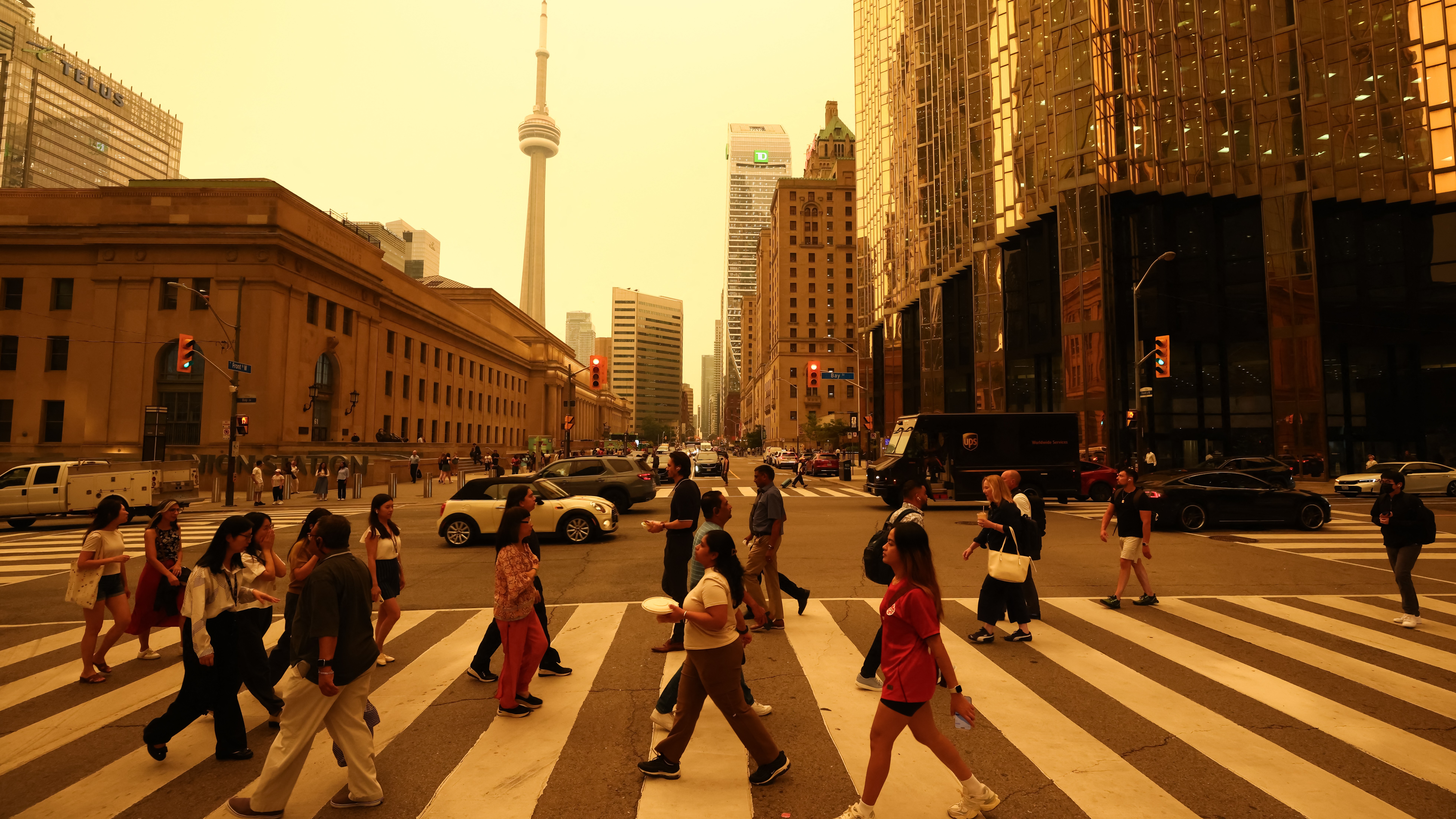
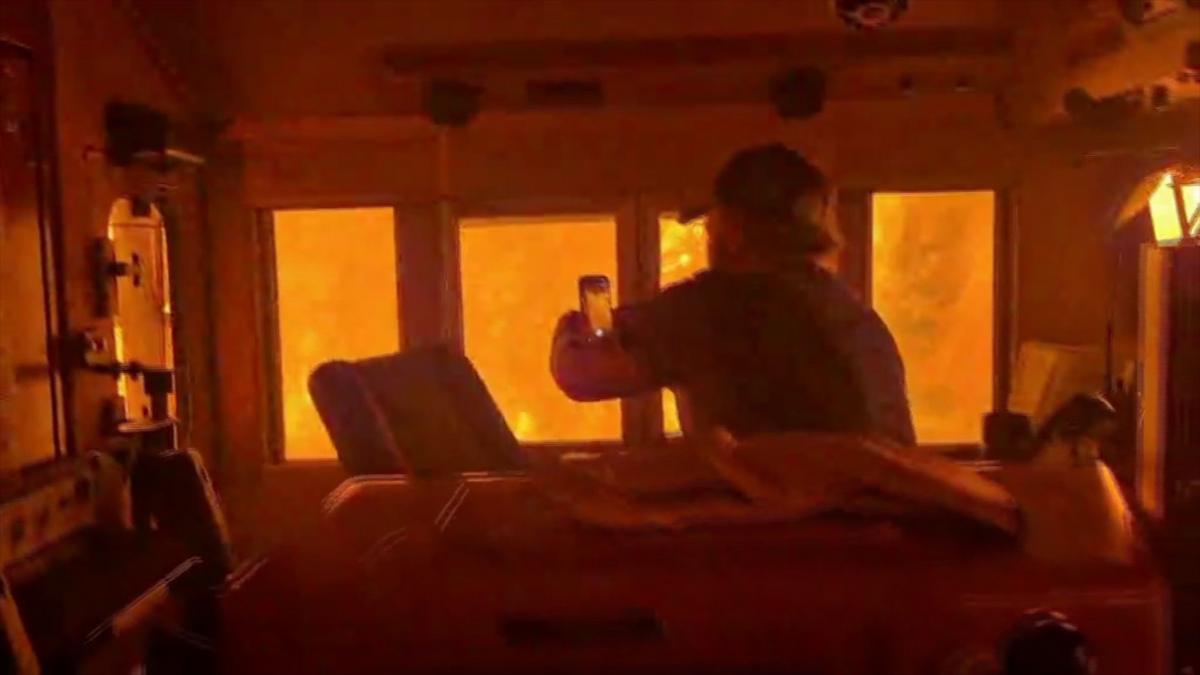
- Approximately 955 wildfires were actively burning across Canada as of Saturday, with more than 190 in Ontario alone — most out of control — per the Canadian Wildland Fire Information System, having destroyed nearly 3 million hectares of land.
- Ontario Premier Doug Ford called the US criticism "unacceptable" and "a shame," noting Canada previously helped fight California wildfires and respond to North Carolina hurricanes, and said Michigan and Massachusetts have already offered water bombers and firefighters.
- Republican lawmakers John James, John Moolenaar, Jack Bergman, and Lisa McClain wrote an open letter saying their "patience has run out" and warning the US could pursue direct cross-border firefighting involvement if Canada fails to act.
- Canadian MP Eleanor Olszewski said Canada has invested roughly C$12bn ($8.5bn) in forest sustainability and fire prevention and cited a 1982 reciprocal firefighting agreement plus a 2025 G7 assistance pact.
- Scientists quoted in the piece, including Dr. Anabela Bonada of the University of Waterloo, said climate change — not uniquely Canadian mismanagement — drives worse fire seasons, and that smoke crosses borders regardless, with US wildfires also having affected Canada.
- Namaygoosisagagun First Nation Chief Helen Paavola told local media her community has been "burnt to ashes" after residents self-evacuated by boat; Ford said 10 communities have had to evacuate.
- Detroit had the world's worst air quality on Friday per IQAir, followed by Chicago, Washington DC, and New York at seventh, with concerns raised about visibility at MetLife Stadium ahead of Sunday's World Cup final, which Trump is set to attend.
Why it matters: A new tariff threat escalates an unresolved US-Canada trade fight where no deal exists despite Trump's earlier tariffs, even as both countries operate under a 1982 reciprocal firefighting agreement and a 2025 G7 assistance pact. Meanwhile, First Nations communities bearing the actual destruction — including one whose chief says it was "burnt to ashes" — are entirely absent from the political blame exchange.
Ask SkimNews