Buoys Slowly Release Algaecide to Kill Cyanobacteria — SkimNews

Get the Health newsletter
Daily health & science — research, biotech, public health, the studies worth knowing. Free.
- University of Toledo researchers, including Yakov Lapitsky and Umberto Kober, designed buoys made of PVC pipe in T or cross shapes that slowly release commercial hydrogen peroxide-based algaecide through hydrogel disks, delivering treatment over weeks rather than days.
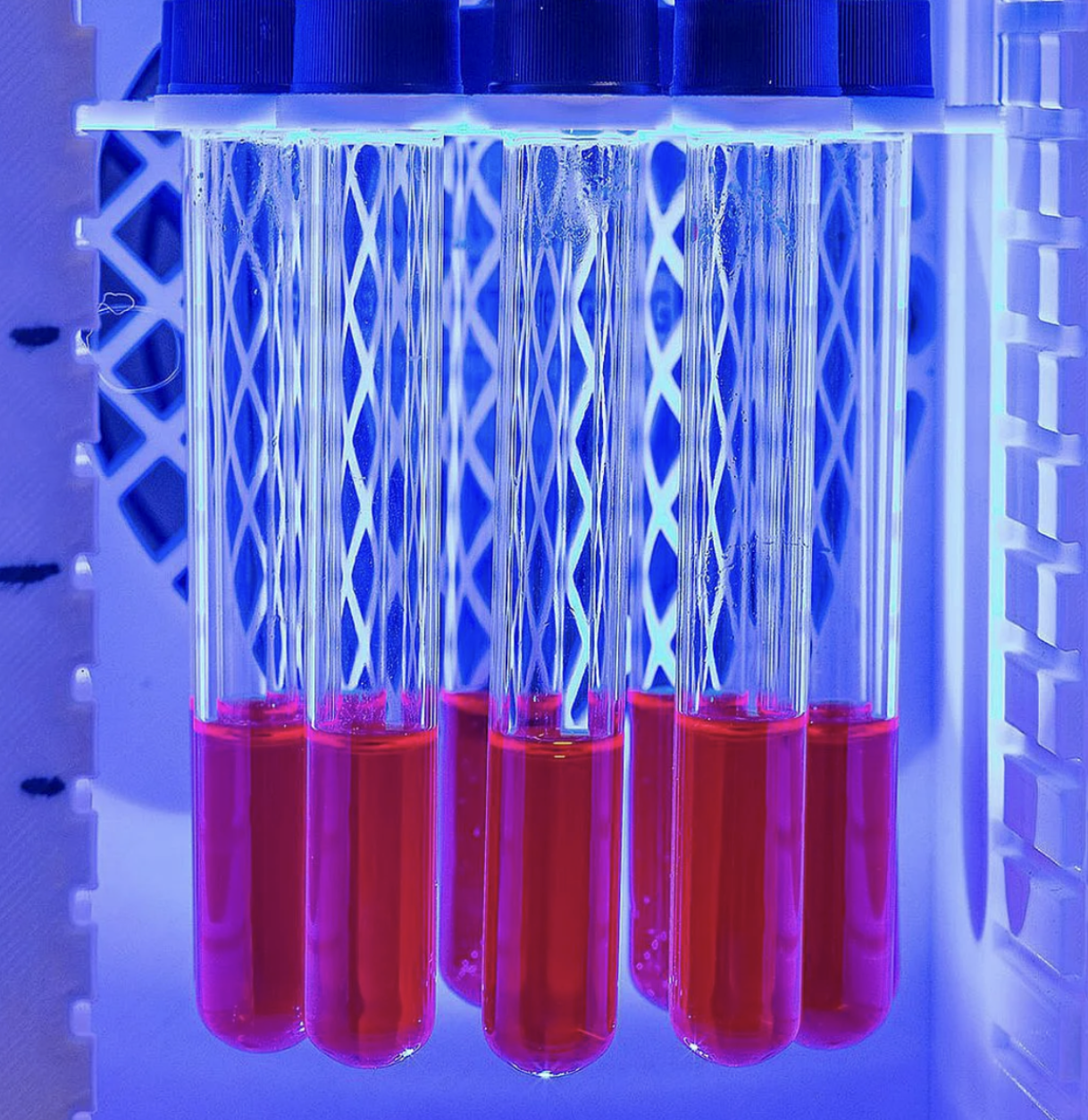
- In lab tests using Lake Erie water, the small algaecide-loaded buoys eliminated nearly all cyanobacteria within a week while leaving other microbes largely unaffected, with daily water replacement simulating continual exposure to fresh cyanobacteria.
- The buoys are engineered to tip onto their side once the algaecide reservoir is empty, providing a visual signal that a refill is needed; researchers estimate the system can complete at least four consecutive 35-day release cycles.
- The project targets the conditions behind the 2014 Lake Erie algae bloom near Toledo, which rendered drinking water unsafe for hundreds of thousands of residents and was driven by fertilizer-runoff nutrients.
- Lead author Yakov Lapitsky said the concept, if scaled up, could enable early mitigation of harmful algal blooms without the labor-intensive repeated algaecide applications that current treatments demand.
- The team acknowledged further research is needed, including enhancements to prevent microbe growth on the buoy's surface, before the system can move beyond bench-scale testing.
Why it matters: Existing algae-bloom treatments require repeated, labor-intensive algaecide applications; a self-monitoring buoy rated for at least four 35-day release cycles could shift mitigation from reactive to proactive, lowering costs for water utilities near nutrient-loaded lakes like Erie that face recurring toxic blooms.
Ask SkimNews