Tesla Driver Charged With Manslaughter in FSD Crash — SkimNews
Get the Energy newsletter
Daily energy & climate — solar, EVs, oil, the policy fights and tech bets shaping the transition. Free.
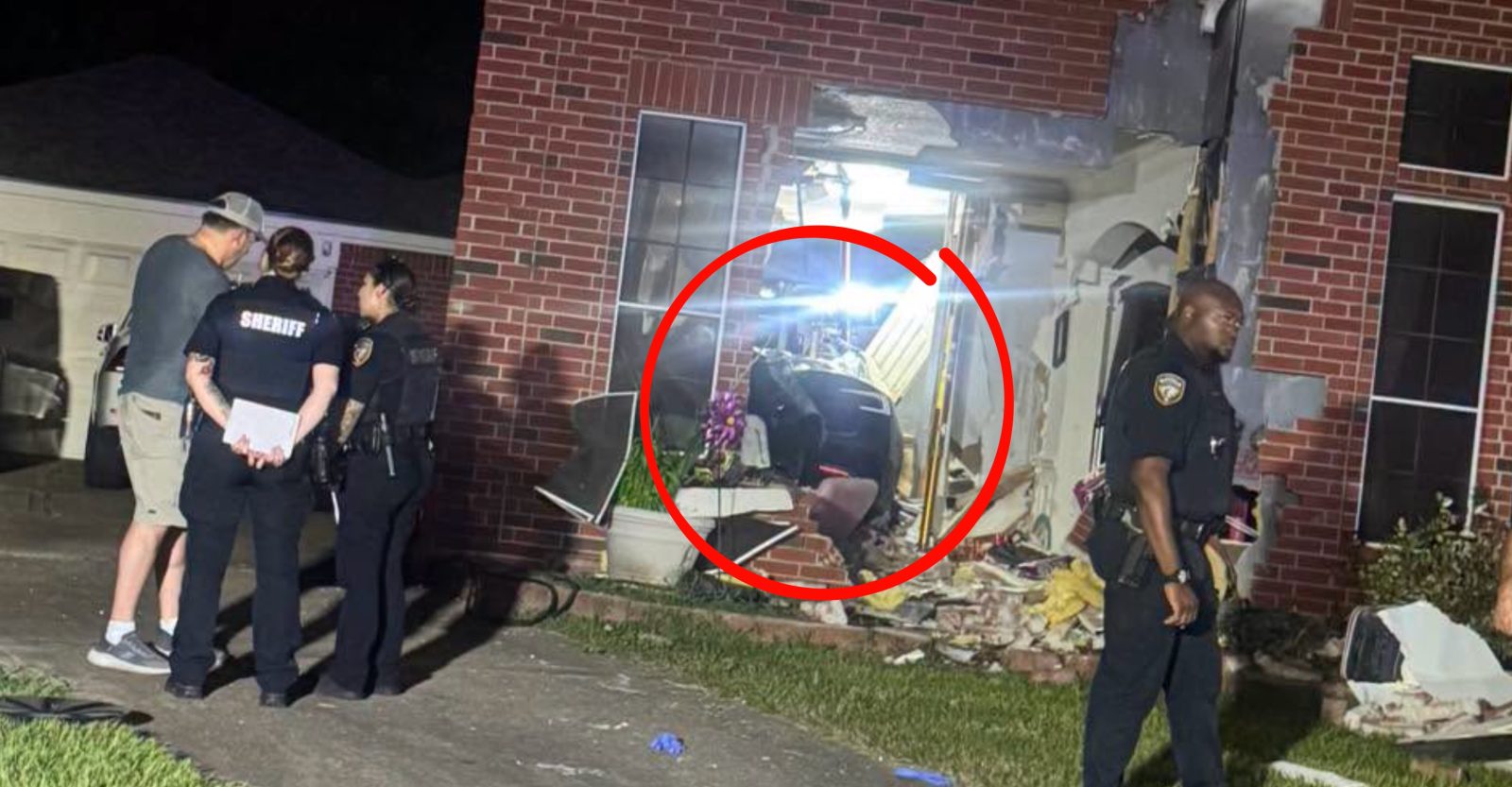
- Michael David Butler, 44, of Richmond, was charged July 1 with one count of manslaughter in Harris County's 208th District Court for the June 19 death of Martha Avila, 76; he remains in jail on $150,000 bond and faces 2-20 years as a Texas second-degree felony.
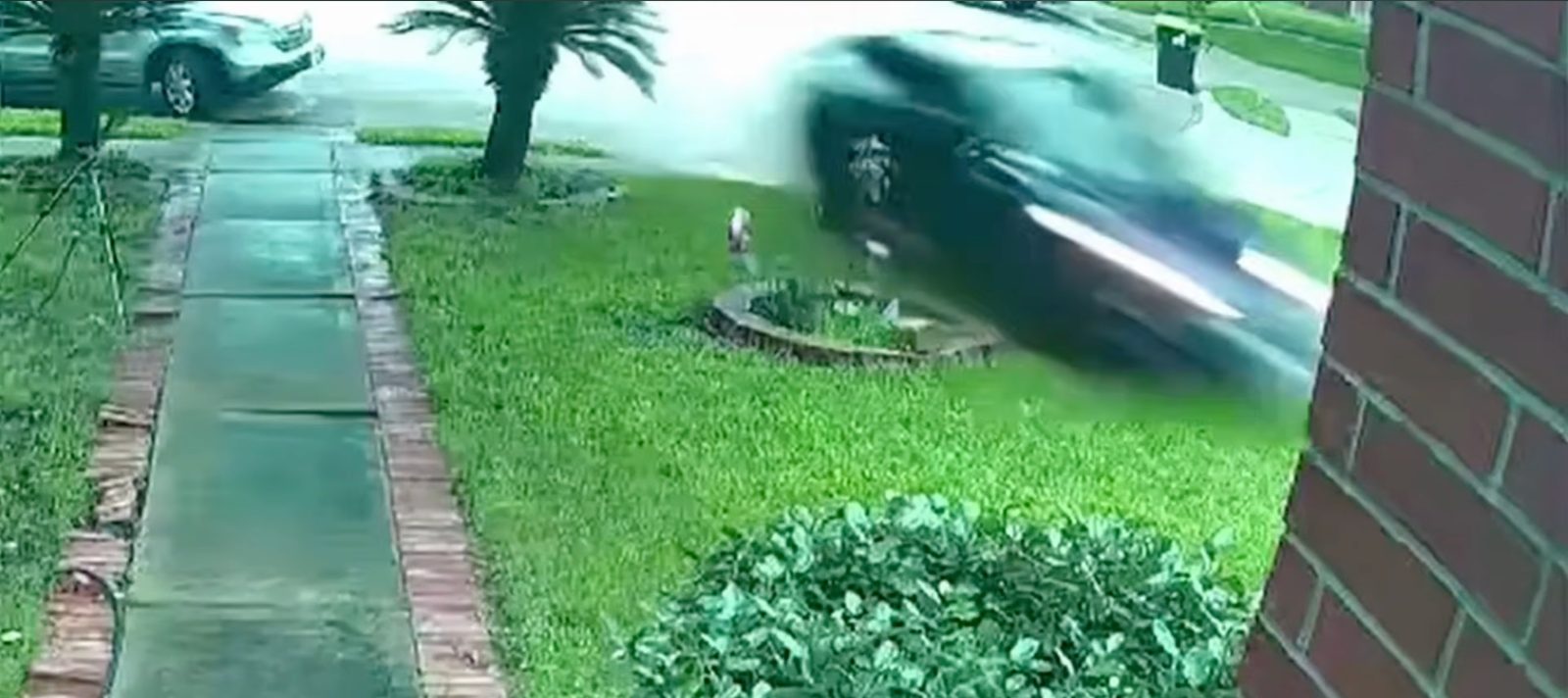
- The criminal complaint, built from telemetry, dashcam footage, cellphone records, and medical evidence, alleges Butler re-engaged FSD after his last DoorDash delivery, then floored the accelerator for about six seconds at a left turn — hitting roughly 73 mph (more than double the residential limit) with the brake never touched in the final minute.
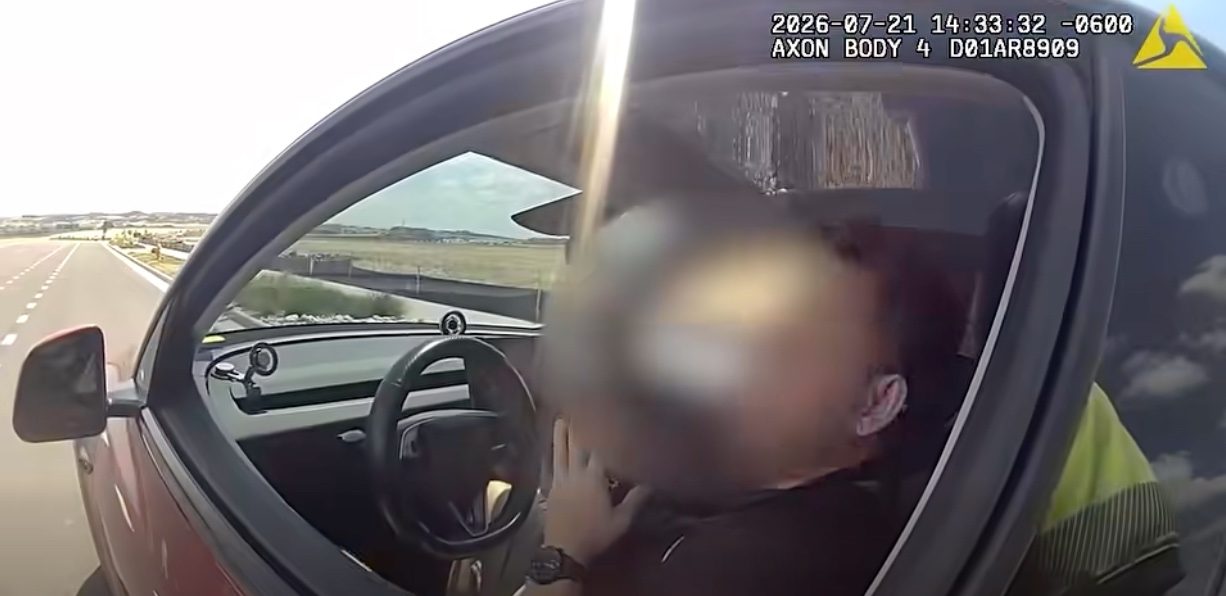
- Investigators ruled out mechanical failure, a stuck pedal, floor-mat interference, seizure, stroke, heart attack, alcohol, and drugs; Butler told paramedics he remembered 'changing the music' and looking at the navigation screen, then 'passed out.'
- Prosecutors recovered Google searches from Butler's phone — 'Tesla fsd not aggressive enough 2026,' 'FSD is not aggressive enough for city driving,' and 'Tesla fsd too timid' — and are using them as evidence the speed override was deliberate.
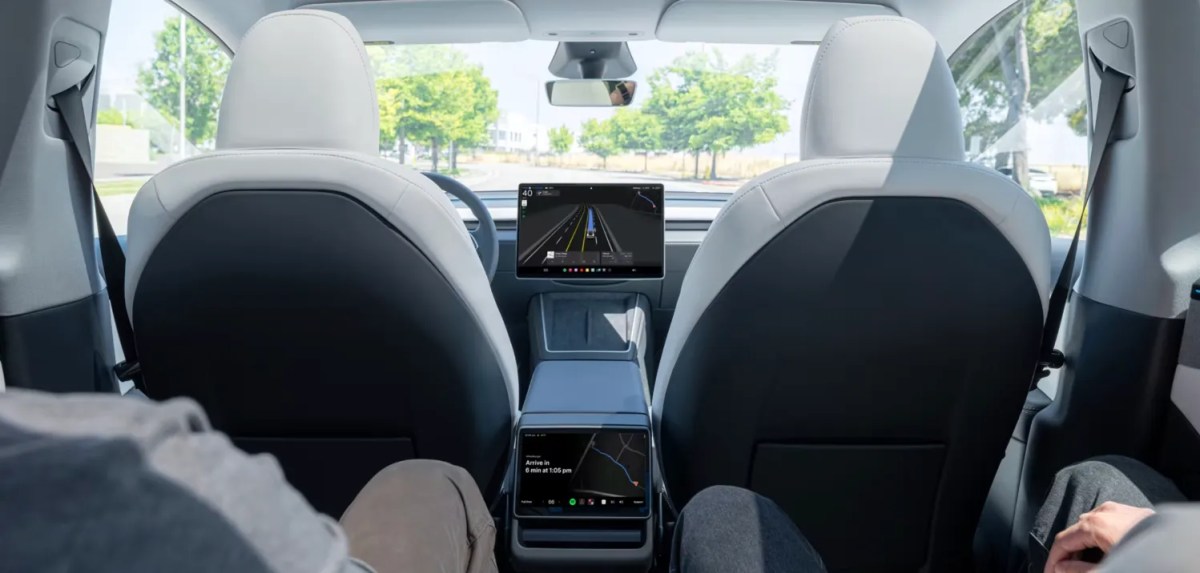
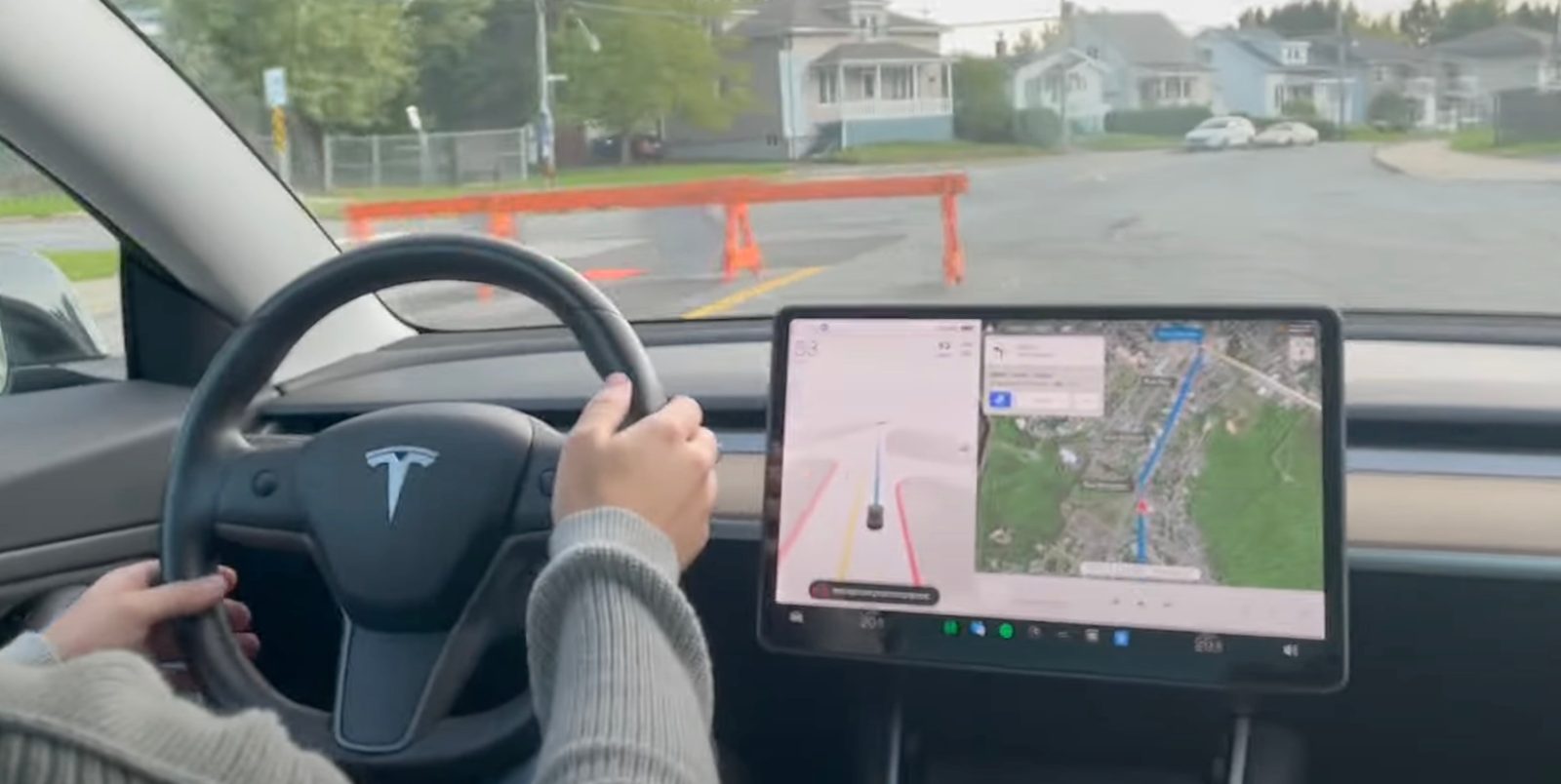
- Tesla's FSD runs inconsistently between a 'Sloth' profile that drives below the speed limit and phantom-brakes for shadows, and a 'Mad Max' mode that drives 15-30 mph over — a whiplash that conditions drivers to override speed while letting FSD keep steering.
- Avila's family has sued Tesla, leaning on the landmark $243 million Florida verdict in which a jury placed 33% of the blame on Tesla despite finding the driver 67% at fault for clearly misusing Autopilot.
Why it matters: The manslaughter charge against Butler is paired with the Avila family's civil suit against Tesla, where prosecutors are using his 'FSD too timid' Google searches to argue deliberate override. With the $243M Florida Autopilot verdict as precedent, criminal driver fault and product liability for Tesla are now being pursued in parallel on the same crash.
Ask SkimNews