Trump Says Iran Talks Underway, Tehran Denies Ship Struck Near Hormuz — SkimNews

Get the Geopolitics newsletter
Daily geopolitics — wars, elections, sanctions, the diplomatic moves that move markets. Free.
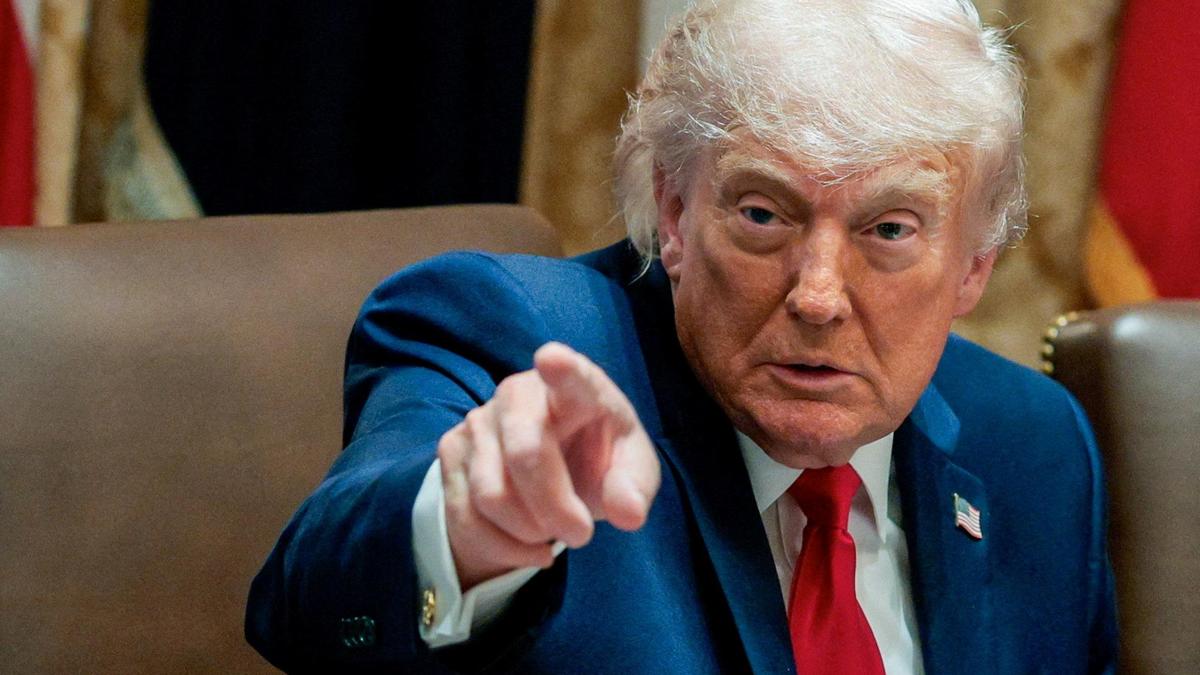
- Trump said at an Oval Office event Monday that talks were happening "right now" at Iran's request and framed it as a "last chance" to sign a good deal, while Iran's Foreign Ministry spokesman Esmail Baghaei simultaneously said no negotiations were underway and none were scheduled.
- Iran said all its negotiators were in the country except Foreign Minister Abbas Araqchi, who was on a religious pilgrimage in Iraq, and that the only current discussions were with Oman over Strait of Hormuz management.
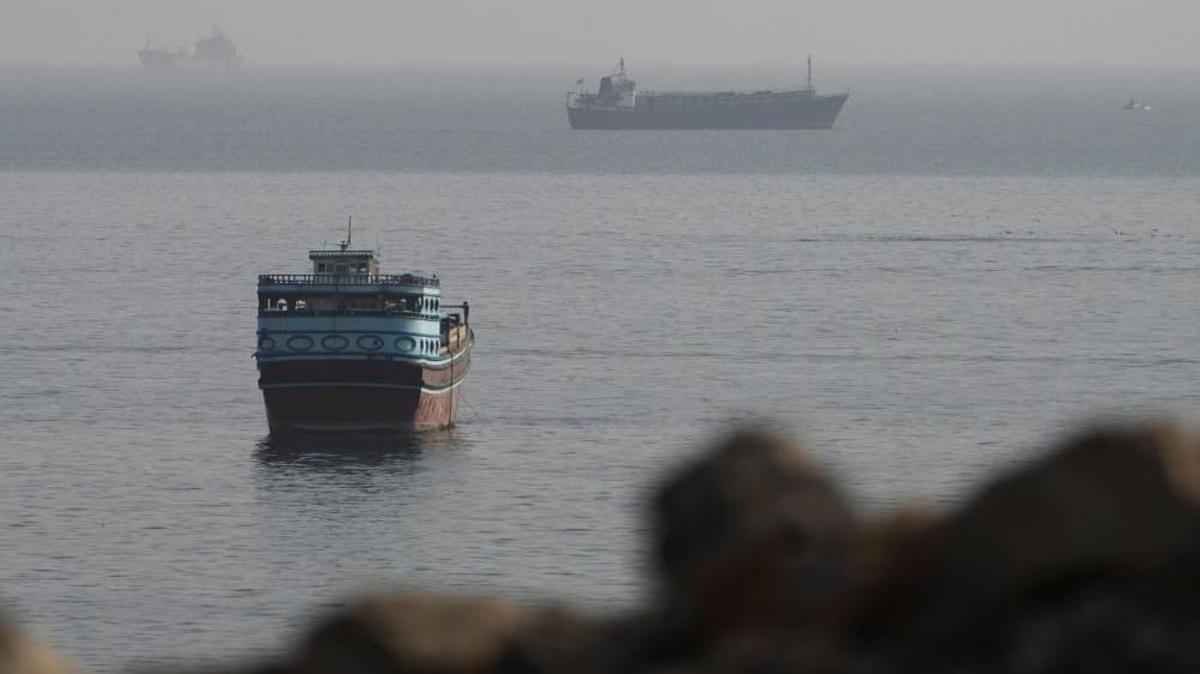
- A cargo vessel broadcast it had been hit by an unknown projectile near the Strait of Hormuz off Oman's coast, according to the United Kingdom Maritime Trade Operations agency, as Hormuz traffic remained slow at six vessels Monday versus seven the prior day per Kpler data.
- Oil markets reacted to de-escalation hopes, with Brent crude falling about 7% to roughly $83.77 a barrel and the Dow closing at a record high on Monday, while Asian stocks and oil edged higher Tuesday.
- Trump had called off "massive attacks" he said he authorized over the weekend, extending a pattern since the launch of "Operation Epic Fury" more than five months ago in which he has threatened strikes only to retreat citing diplomatic contacts.
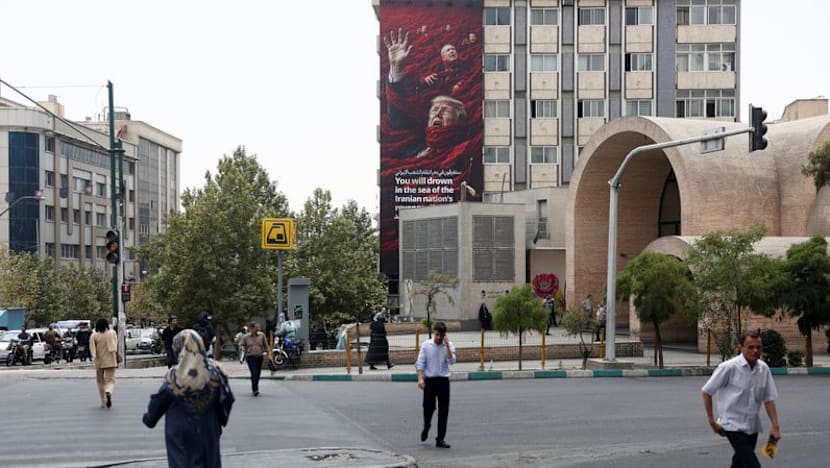
- The Hormuz dispute remains the core sticking point: Washington says the June memorandum required Iran to open the waterway, while Tehran says the text explicitly preserved its authority over shipping traffic.
- Iran has publicly rejected negotiations since a June memorandum of understanding collapsed in early July, betting it can outlast Washington by weaponizing trade routes and energy infrastructure, per analysts including Michael Knights of the Washington Institute.
Why it matters: The MoU collapse in early July ended a brief diplomatic opening, and Iran is explicitly banking on the economic cost of disrupted Hormuz traffic — which handles a fifth of global crude and natural gas shipments — to force Washington into concessions rather than capitulate to Trump's threats. A single ship strike near Hormuz on the same day Trump offered a "last chance" shows the pattern of escalation, market-driven de-escalation, and renewed tension has yet to break, leaving Gulf shipping and global energy supply exposed to each whipsaw.
Ask SkimNews