Study Proves Pianist Touch Directly Shapes Piano Tone — SkimNews
Get the Culture newsletter
Daily culture — film, music, books, the trends and ideas worth your attention. Free.
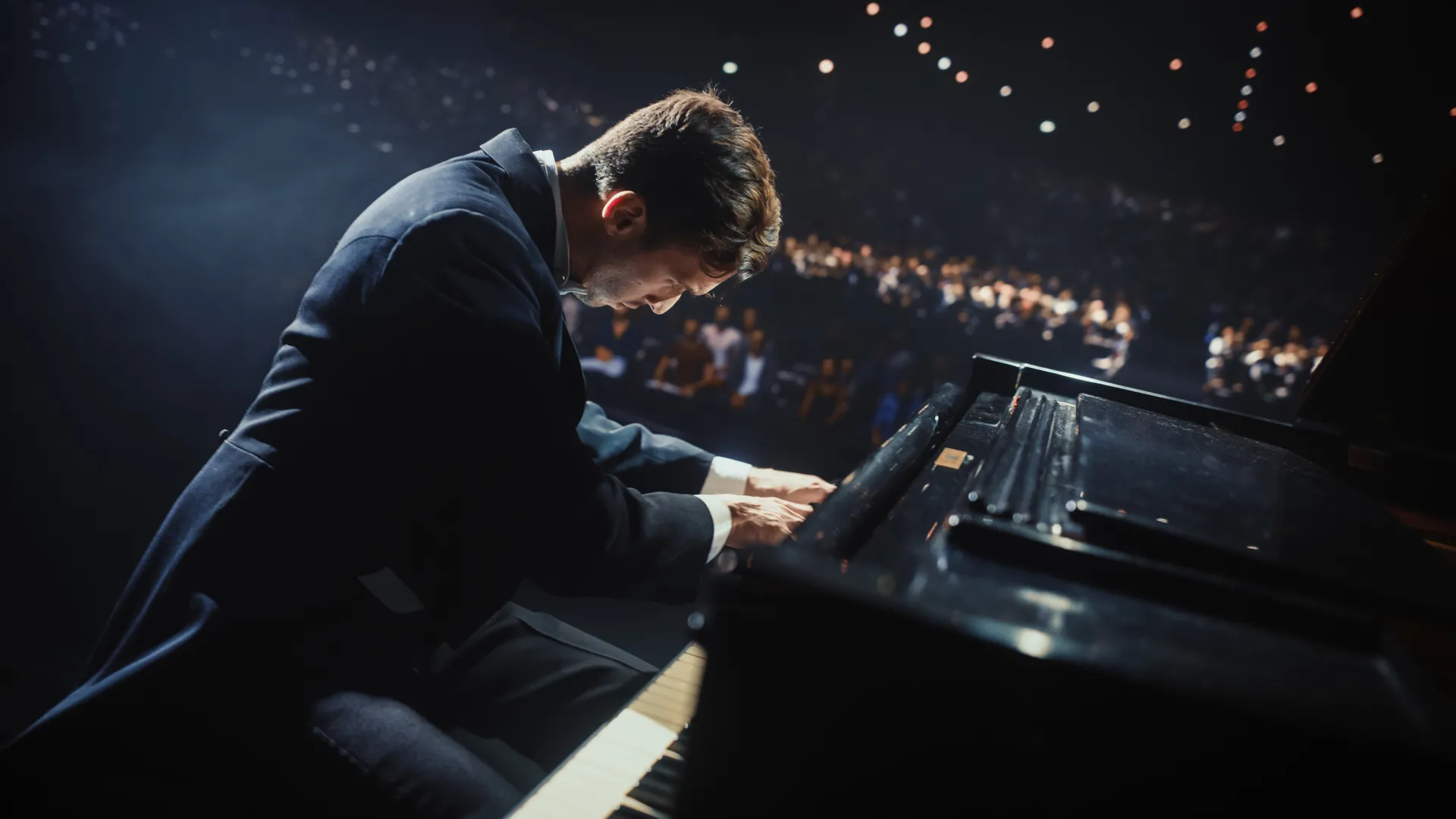
- Dr. Shinichi Furuya and colleagues at the NeuroPiano Institute and Sony Computer Science Laboratories published findings in PNAS proving that a pianist's touch physically reshapes a piano's timbre, settling a debate dating to the early 20th century.
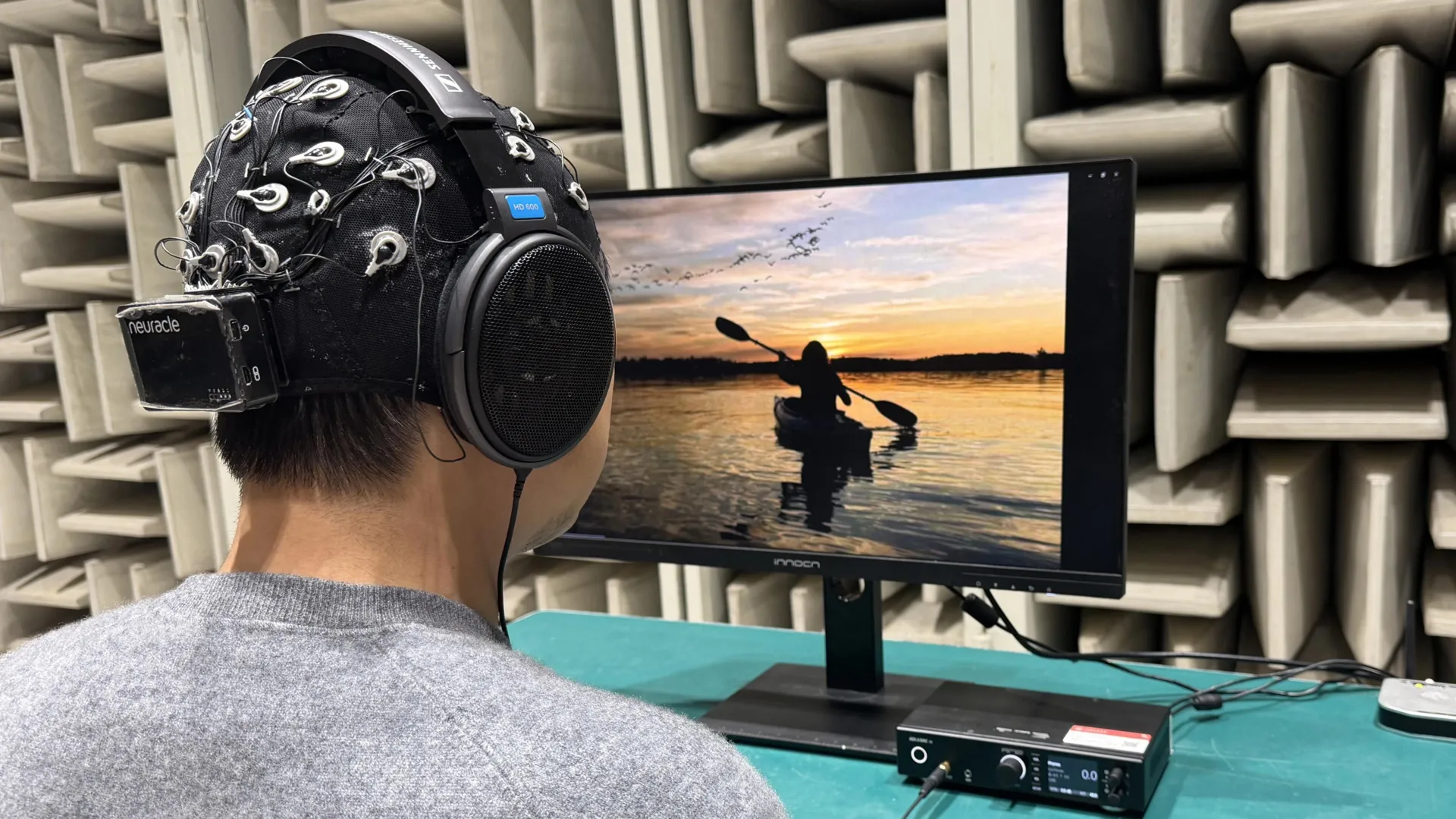
- HackKey, a custom noncontact sensing system, recorded all 88 piano keys at 1,000 frames per second with microscopic spatial precision while 20 internationally acclaimed pianists played contrasting tonal qualities (bright vs. dark, light vs. heavy).
- Listeners — including people with no musical training — consistently identified the intended timbres, and professional pianists were especially sensitive, providing causal evidence that touch shapes tone beyond loudness or tempo.
- Researchers found that only a handful of precise movement features — tiny variations in acceleration, timing, and hand synchronization — were strongly linked to perceived timbre, and altering a single feature reliably changed listener perception.
- The findings could transform music education by replacing vague instructions like "play warmer" with visualizations of the exact physical movements tied to specific tonal qualities.
- The research also has implications for rehabilitation science, neuroscience, robotics, and AI, with related work already exploring expressive digital instruments and training tools that reproduce subtle performance nuances.
- The work is part of a growing field called "dynaformics," the science of music performance, which studies how artistic expression emerges from the interaction between body, brain, and sound.
Why it matters: For more than a century, skeptics dismissed a pianist's ability to change tone as psychological. Now 1,000-frames-per-second tracking of all 88 keys identifies the specific micro-movements that causally drive perceived brightness and weight — giving music educators a measurable target and offering a model of skilled motor control for robotics and rehabilitation research.
Ask SkimNews