US PCE Inflation Tops 4% in May; Fed September Hike — SkimNews

Get the Finance newsletter
Daily finance — markets, central banks, M&A, the prints that move money. Free.
- PCE inflation rose 4.1% year-on-year in May, the first reading above 4% since April 2023, with monthly prices climbing 0.4% in line with economist expectations, per the Commerce Department's Bureau of Economic Analysis.
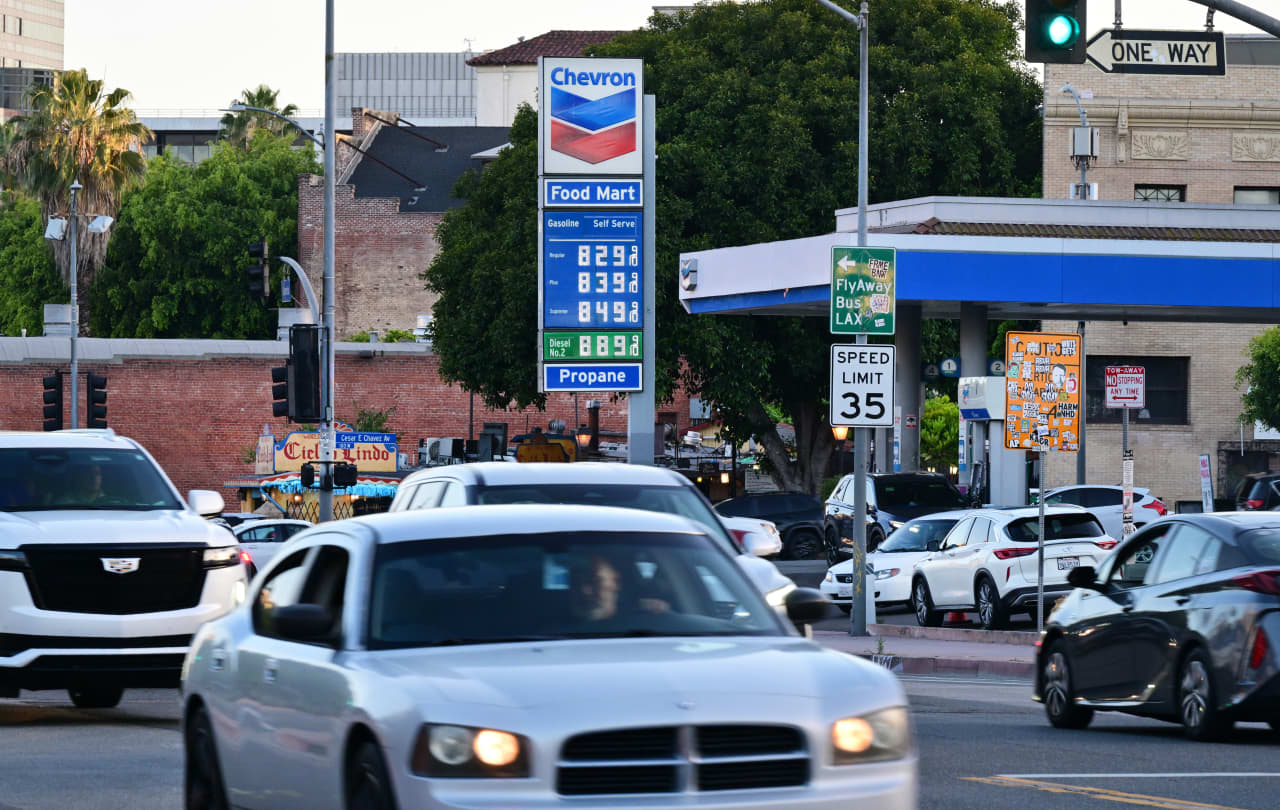
- Energy prices surged 6.5% in May as the Middle East conflict boosted gasoline costs, though oil has since fallen back to pre-war levels after Trump and Iran's Masoud Pezeshkian signed a preliminary peace deal reopening shipping lanes.
- Services inflation jumped 0.5% monthly, with transportation services up 0.8% on higher jet fuel prices and financial services/insurance costs climbing 1.2% on a stock market rally — trends economists say will be harder to tame than falling energy prices.
- Core PCE inflation rose 3.4% year-on-year and 0.3% monthly, remaining well above the Fed's 2% target and keeping underlying inflationary pressure elevated.
- Consumer spending jumped 0.7% in May (inflation-adjusted 0.3%), supported by larger tax refunds and stock gains, while the savings rate held near a four-year low of 3.0% and disposable income was unchanged year-on-year.
- Fed rate hike odds climbed to roughly 80% for the September 15-16 meeting per CME Group's FedWatch tool, despite the Fed holding its benchmark rate at 3.5-3.75% last week with updated projections now showing policymakers expect to raise borrowing costs this year.
- Core capital goods orders rose 1.6% in May after a 0.7% April decline, partly reflecting higher memory chip prices, with GDP growth estimates for Q2 converging around a 2.5% annualized pace, propped up by temporary factors including tariff refunds and the FIFA World Cup.
Why it matters: With inflation reaccelerating above 4% and the savings rate near a four-year low, the Fed now faces an 80% market-priced probability of a rate hike in September — a tightening that would directly hit Trump's Republican Party heading into November midterms where affordability remains the top voter complaint, just as temporary demand boosts from tax refunds and the World Cup are set to roll off by Q3.
Ask SkimNews