Taking the stairs could protect your heart and help you live longer — SkimNews
Get the Health newsletter
Daily health & science — research, biotech, public health, the studies worth knowing. Free.
- University of East Anglia researchers found regular stair climbers were 39% less likely to die from cardiovascular disease and 24% less likely to die from any cause, based on a meta-analysis of more than 480,000 people across nine high-quality studies.
- Stair climbing was also associated with a lower likelihood of developing heart attack, stroke, and heart failure.
- The research team reviewed nearly 1,900 studies before selecting nine high-quality ones, with participants followed for a median of 14 years; the cohort included people aged 35 to 84 (53% women), both healthy individuals and those with prior heart problems.
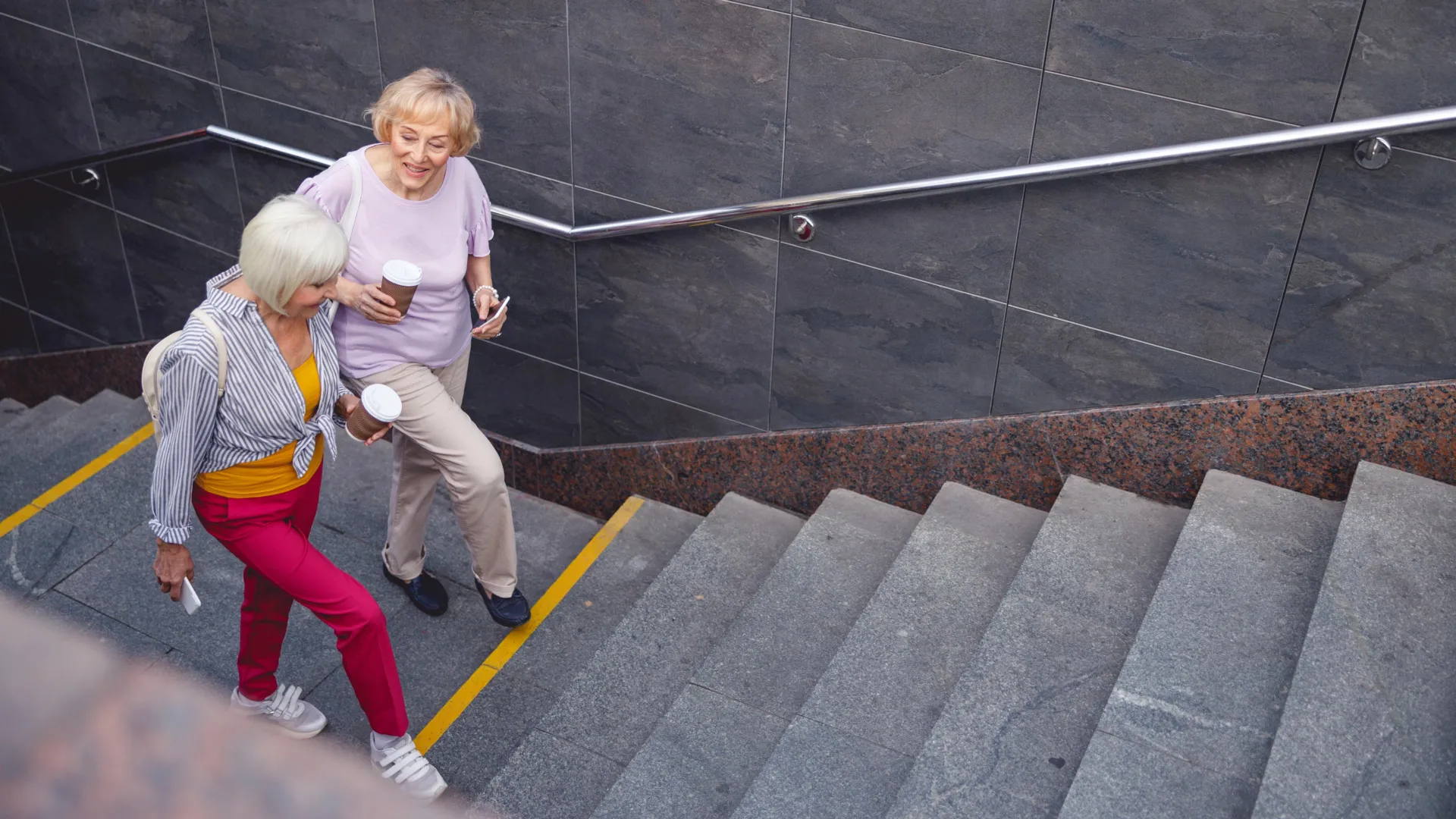
- Dr. Sophie Paddock of UEA's Norwich Medical School and a cardiology specialist registrar at NNUH said climbing stairs is an easy way to fit physical activity into daily routines for people who lack time or gym access.
- One large cohort study in the analysis indicated climbing about six flights of stairs daily might provide the greatest benefit, though researchers said more work is needed to pin down the ideal "dose" of stair climbing.
- Prof Vassilios Vassiliou noted that more than a quarter of adults worldwide fail to meet recommended activity levels, framing stair climbing as a "realistic, scalable intervention" for workplaces, public buildings, and homes.
- Researchers cautioned that stair climbing may not be appropriate for people with mobility limitations or joint conditions, and called for future studies using wearable technology to track stair climbing more precisely.
Why it matters: Cardiovascular disease is the leading global cause of death, with cases nearly doubling between 1990 and 2019. For the more than a quarter of adults worldwide who don't meet recommended activity levels, this 480,000-person, 14-year meta-analysis suggests a free, zero-equipment habit could meaningfully cut heart disease mortality without requiring structured exercise time.
Ask SkimNews