Platner Backs Solar Moratorium Despite Renewable Push — SkimNews
SkimNews Take
The plan's emphasis on both accelerating projects and honoring community input highlights the inherent tension between the urgency of climate action and local democratic processes.
Get the Energy newsletter
Daily energy & climate — solar, EVs, oil, the policy fights and tech bets shaping the transition. Free.
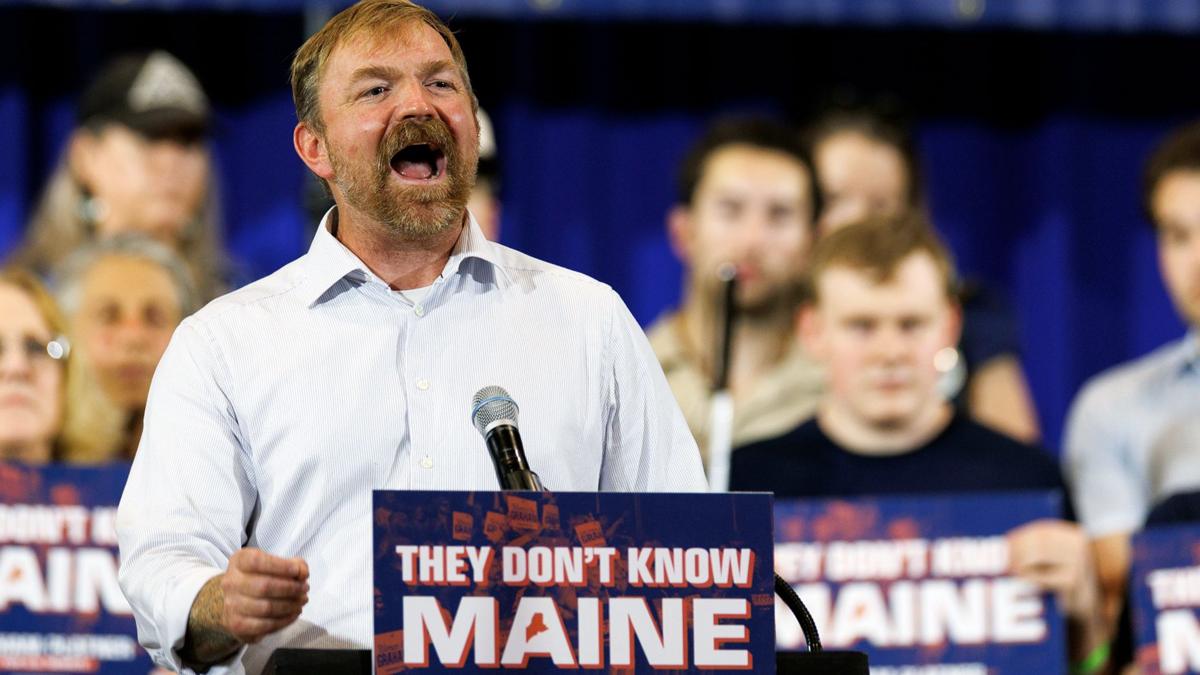
- Graham Platner released an energy plan calling for permitting reform for clean energy, while his own record shows him voting in 2024 as a Sullivan, Maine Planning Board member to advance a moratorium on larger solar projects so permanent local rules could be drafted.
- Platner also supports a federally funded buildout of wind and solar, saying the two positions are compatible because he sees community input as producing 'better answers' on project siting.
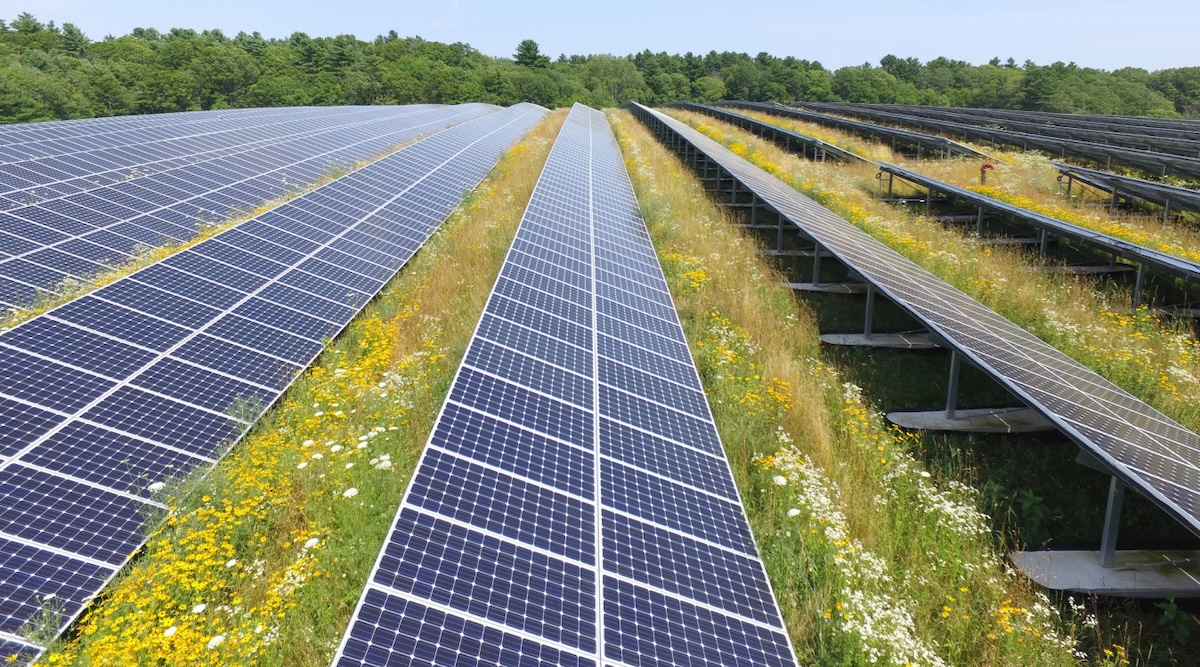
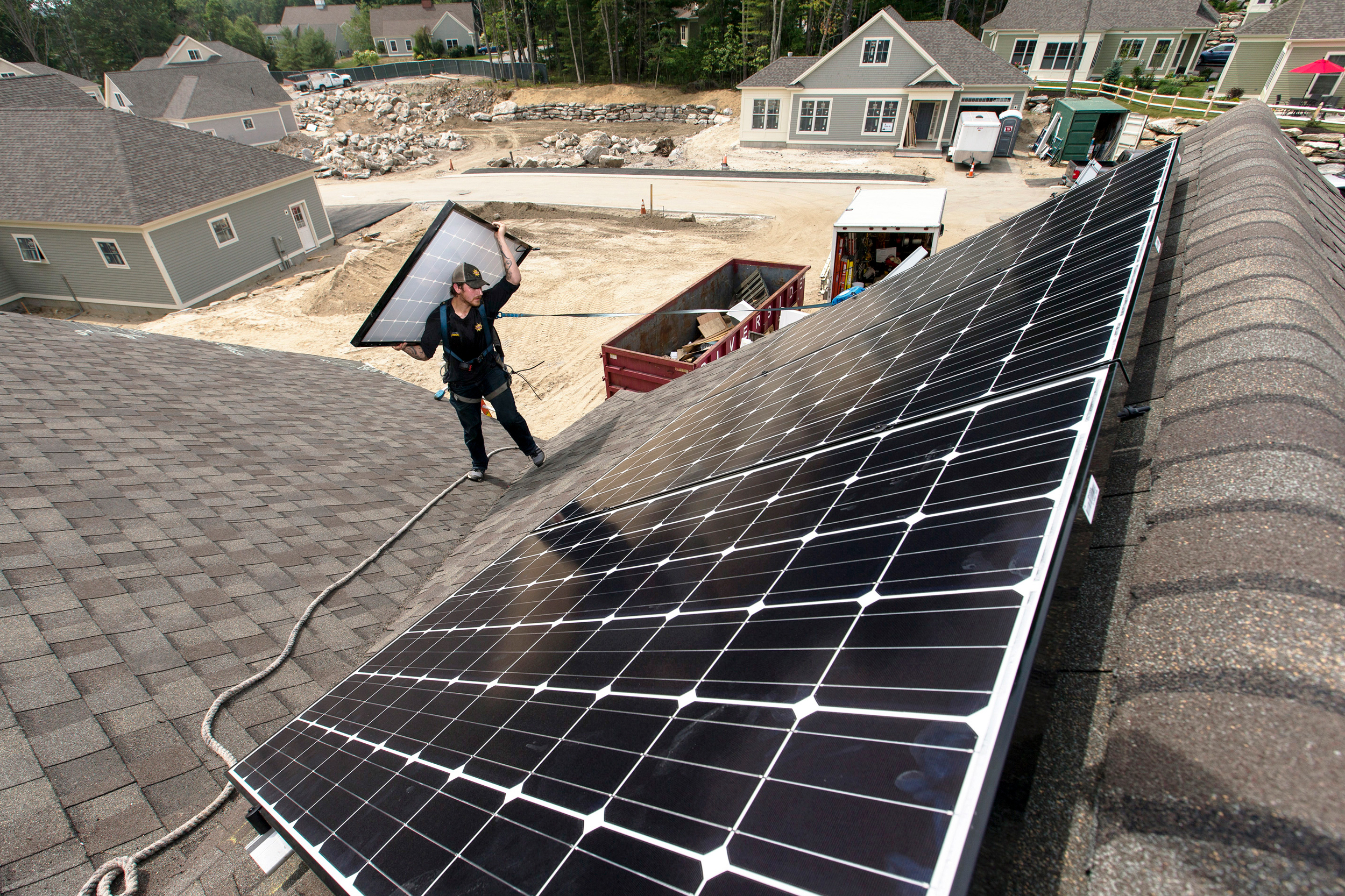
- Maine's solar capacity in community and utility-scale arrays grew nearly 13-fold from 2020 to 2024 to 1,640 megawatts across roughly 8,000 acres, per U.S. Energy Information Administration figures cited in the article.
- At least a dozen Maine towns adopted similar solar moratoria as the rapid growth — fueled by state net energy billing and federal tax credits — triggered local backlash tied to perceptions that solar subsidies were raising electricity prices.
- Platner's draft Sullivan ordinance includes a 50–55 decibel noise limit at the property line for solar farms, a provision absent from the state's model ordinance, targeting the low-level noise from tracking motors, inverters, and transformers.
- Eliza Donoghue, executive director of the Maine Renewable Energy Association, called Platner's moratorium rationale understandable but warned that moratoria and the rules that follow them can become 'a de facto ban on solar energy generation.'
- Maine's Department of Energy Resources responded to the moratorium wave by releasing a model solar development handbook for towns, even as the state tightened net energy billing rules in 2025 to exclude all but the smallest community solar projects.
Why it matters: Platner's simultaneous embrace of a national renewable buildout and a local solar freeze crystallizes a real fault line for Democrats running in 2026: rural voters want cheaper power and climate action, but many want a seat at the table on where projects land. With at least a dozen Maine towns already imposing moratoria and solar capacity jumping 13-fold since 2020, the Sullivan fight is a microcosm of a broader permitting standoff that Platner now says he wants to resolve from the Senate.
Ask SkimNews