Baidu Apollo Go launches London robotaxi tests with Uber and Lyft — SkimNews
Get the Tech newsletter
Daily tech — startups, AI labs, chips, the launches that shape the next decade. Free.
- Apollo Go began robotaxi road testing in London with both Uber and Freenow by Lyft, running two partnerships at once through deals Baidu signed in 2025 — Uber targeting thousands of vehicles on its platform in markets outside the US and mainland China, Lyft scaling thousands of vehicles across key European markets.
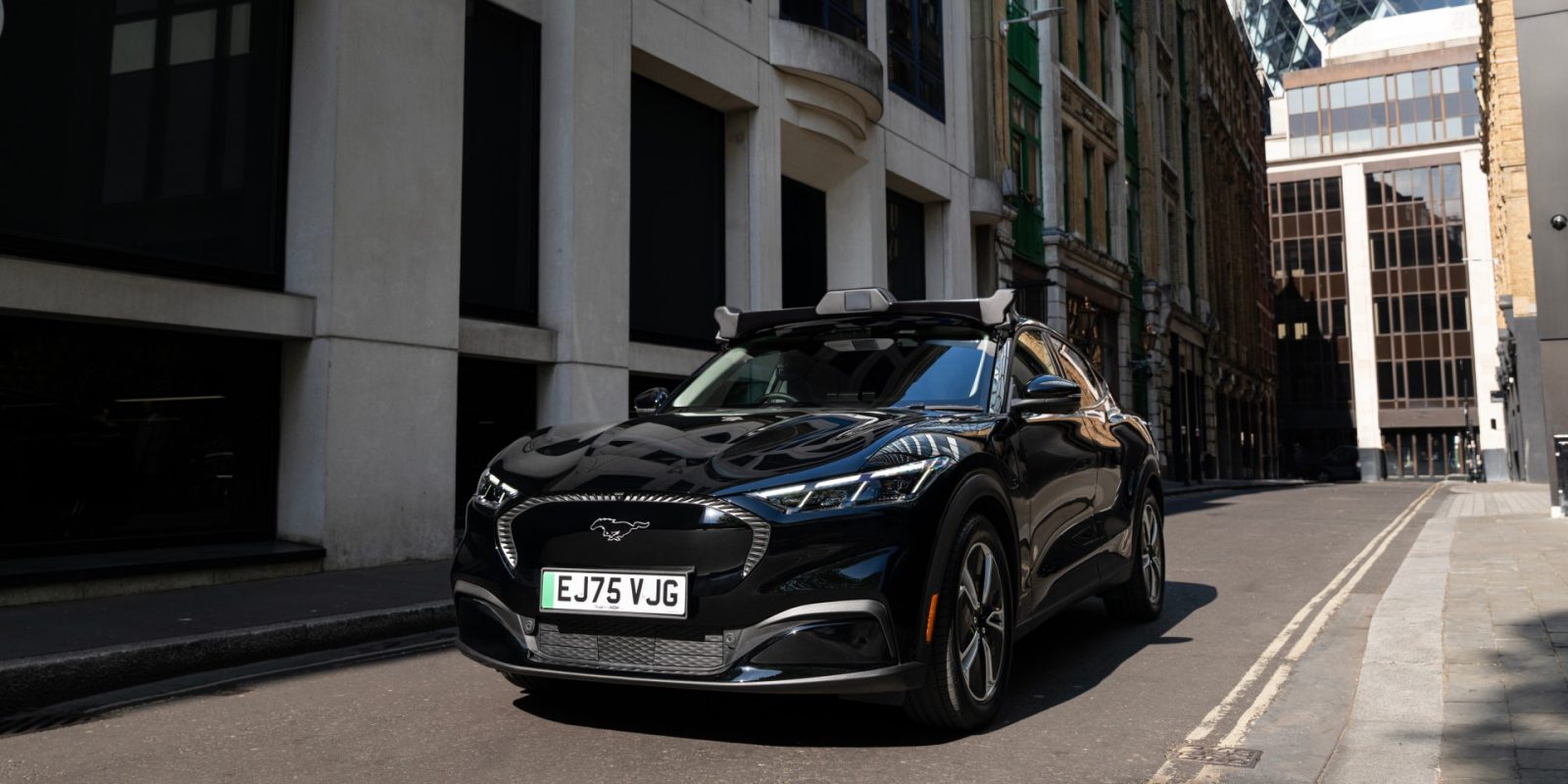
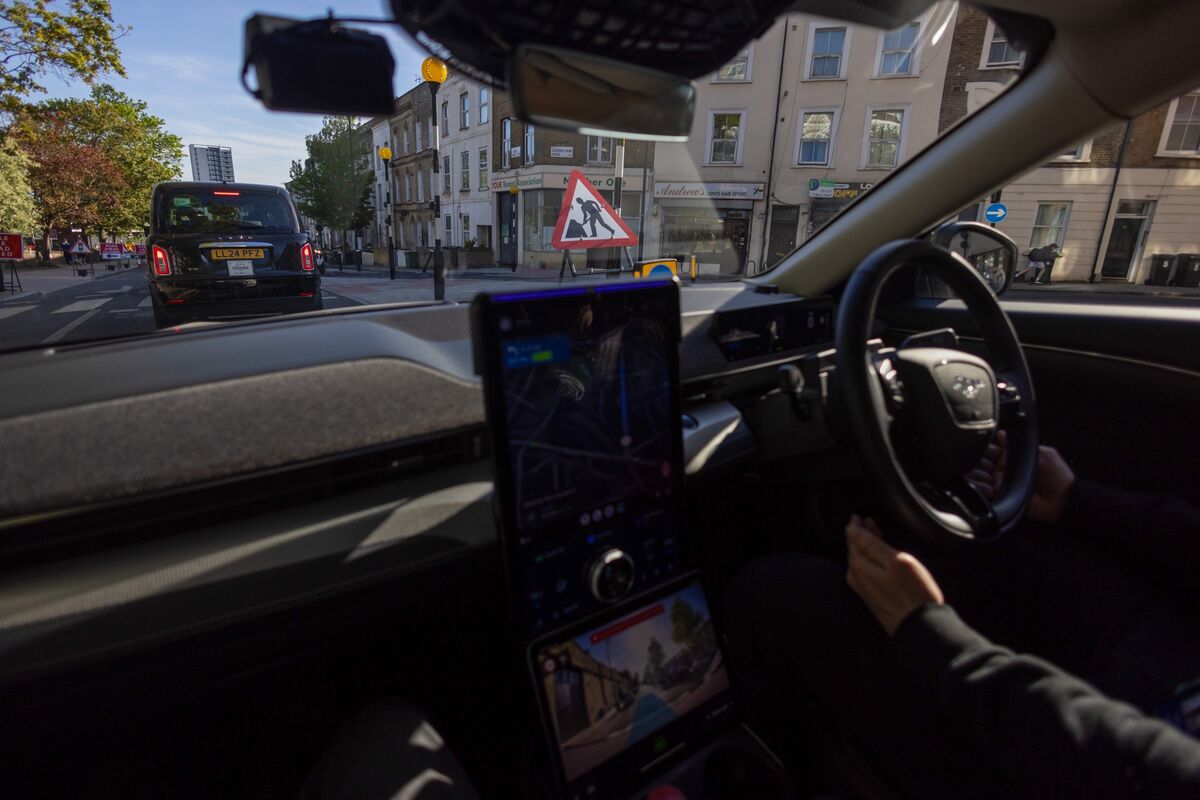
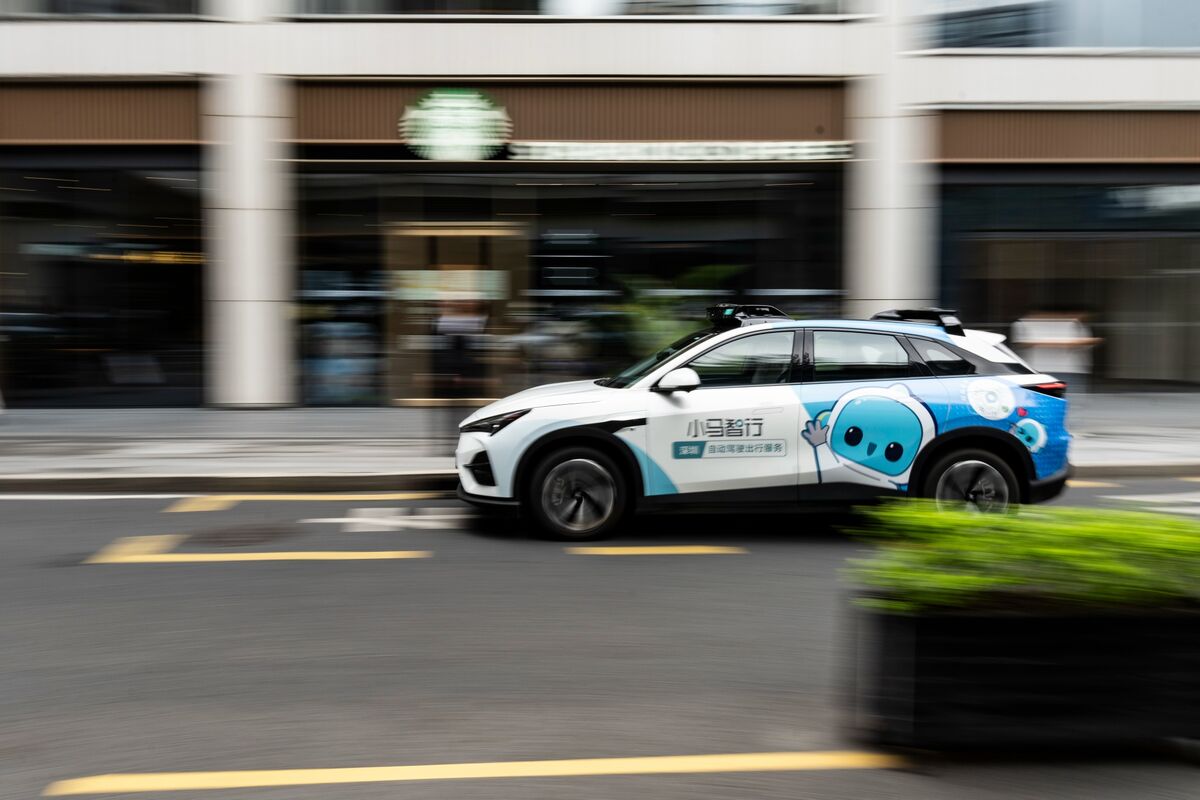
- Freenow by Lyft's London pilot launches in the Brent borough using Apollo Go's sixth-generation RT6 vehicle, with safety operators on board and public rides gated behind regulatory approval until 2027.
- Hong Kong's Transport Department granted Apollo Go the city's first fully driverless trial permit on July 23, with the Level 4 trial starting July 27 on Airport Island — Baidu says it is the first fully driverless trial in any right-hand-drive market worldwide, with no safety operator on board.
- Hong Kong Commissioner for Transport Winnie Tse called the approval "an important step toward realising the goals of driverless, scaled-up and commercialised AV operations," noting day-one vehicles yielded to pedestrians, obeyed signals, and held up in heavy rain.
- Right-hand-drive leadership gap works in Baidu's favor: Waymo is still working toward a London launch and Tesla has no Level 4 approval anywhere outside Texas, while Apollo Go already runs driverless service in Hong Kong and is testing in London.
- Scale numbers from the article: Apollo Go passed 22 million cumulative rides by April 2026, ran 3.2 million fully driverless rides in Q1 2026 (up more than 120% year-over-year), and logged over 330 million autonomous kilometers with 220 million-plus of those fully driverless.
- Beyond the UK, Apollo Go runs fully driverless commercial service in Dubai and Abu Dhabi, won a Level 4 permit in eastern Switzerland under the AmiGo brand, and signed an MoU with Freedom Holding at WAIC 2026 to explore Kazakhstan.
Why it matters: Uber has spent more than $10 billion on robotaxi partnerships rather than building autonomy in-house, and now both Uber and Lyft — direct competitors — are hedging on the same Chinese supplier to fill the driverless gap in their platforms. Baidu's combined London deal with both app giants, plus the Hong Kong driverless milestone, puts it ahead of Waymo and Tesla on the international right-hand-drive footprint even though Western operations remain supervised pilots with paid rides still gated until 2027.
Ask SkimNews