Uber beats Waymo to launch London robotaxis — SkimNews

Get the Tech newsletter
Daily tech — startups, AI labs, chips, the launches that shape the next decade. Free.
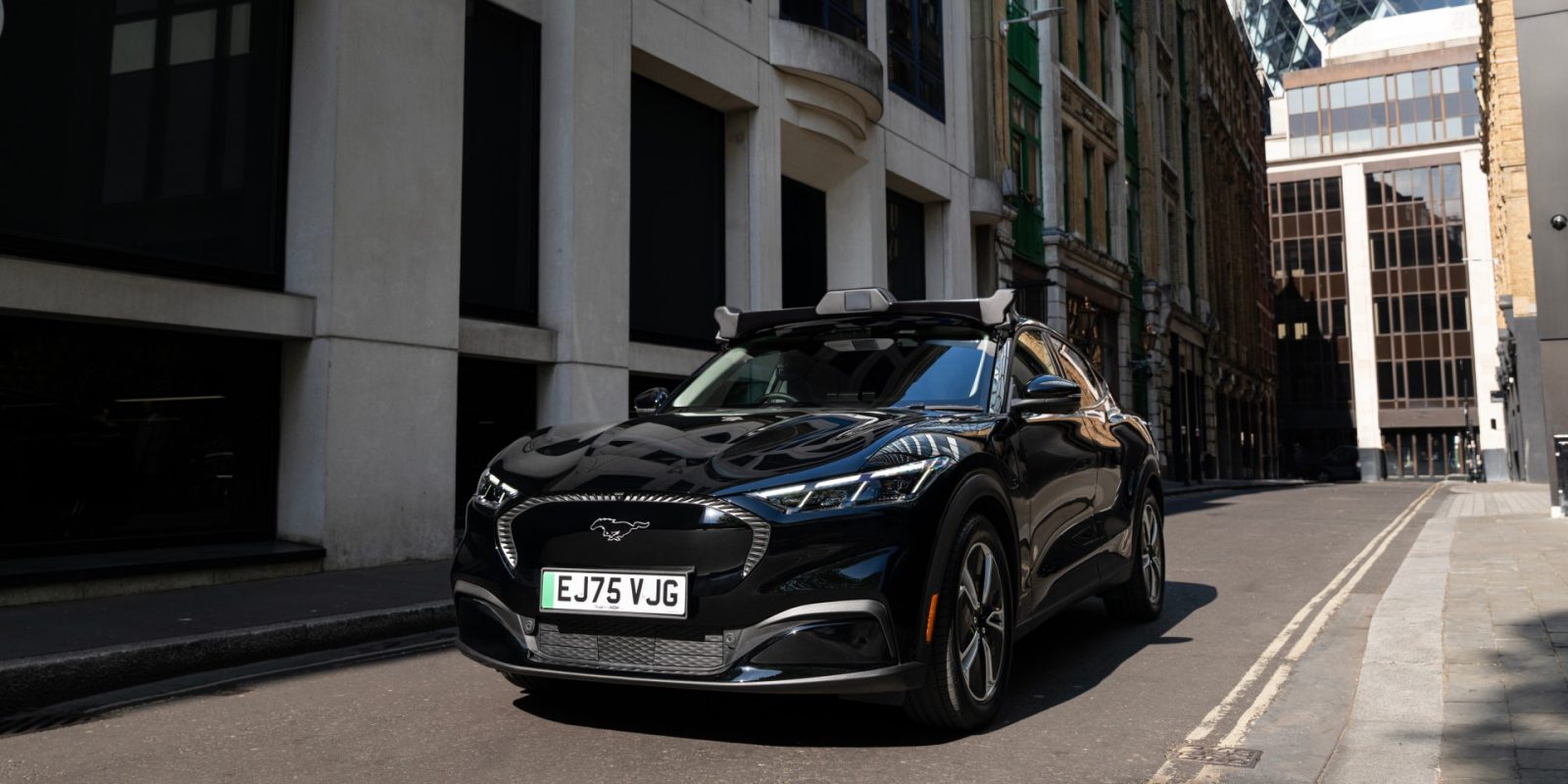
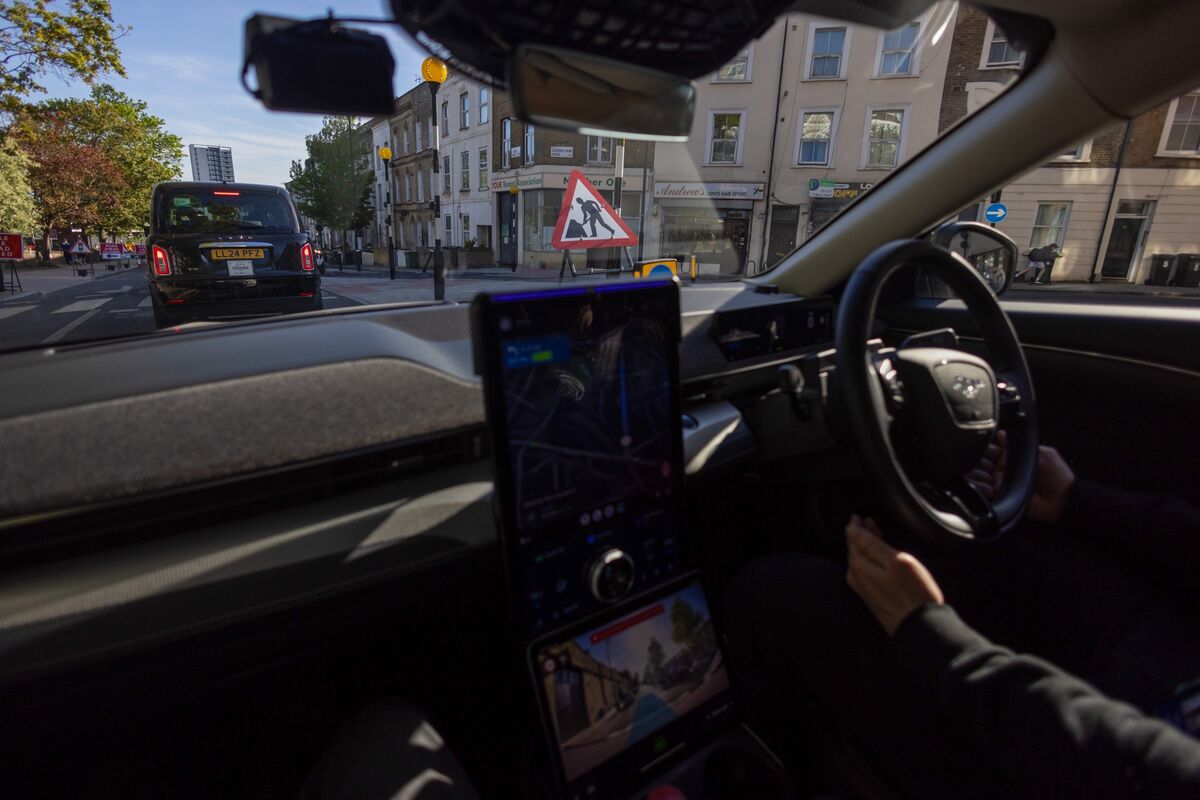
- Uber launched London's first commercial robotaxi service using autonomous tech from UK startup Wayve, beating Waymo to the punch with safety drivers behind the wheel for the initial rollout.
- Wayve's AV2.0 system relies on cameras and radar but no lidar and no HD maps, allowing operation beyond geofenced areas — a hardware-light approach that contrasts with the sensor-heavy stacks used by Waymo and most US robotaxi operators.
- The Ford Mustang Mach-E fleet is maintained by Uber and UK fleet operator Otto Car, with Nissan Leafs slated to join later; London riders can opt into being paired with a robotaxi via UberX, Uber Comfort, or Uber Electric.
- Wayve, founded in 2017 by Cambridge machine-learning PhD students, raised $1.2 billion earlier this year from Uber, Nvidia, Stellantis, Nissan, and Mercedes-Benz, and is also collaborating with Stellantis on hands-free driving tech.
- Uber is lobbying for a hybrid human-driver-plus-AV network that directly clashes with Waymo's driver-free vision and has earmarked upwards of $10 billion for its robotaxi business, working with partners including Zoox, Avride, Nuro, Motional, Waabi, and Wayve.
- Waymo has said it will launch in London before year's end, while Lyft is working with China's Baidu on a separate London robotaxi service starting in the Brent neighborhood.
Why it matters: Uber's choice of Wayve's camera-and-radar-only, no-lidar system sets a lower-cost hardware standard for robotaxi fleets outside the US and China, while its hybrid human-plus-AV model is the structural opposite of Waymo's driver-only vision — meaning whichever company's playbook Londoners adopt will likely define Europe's robotaxi template.
Ask SkimNews