Can VR glasses save VR? — SkimNews

Get the Tech newsletter
Daily tech — startups, AI labs, chips, the launches that shape the next decade. Free.
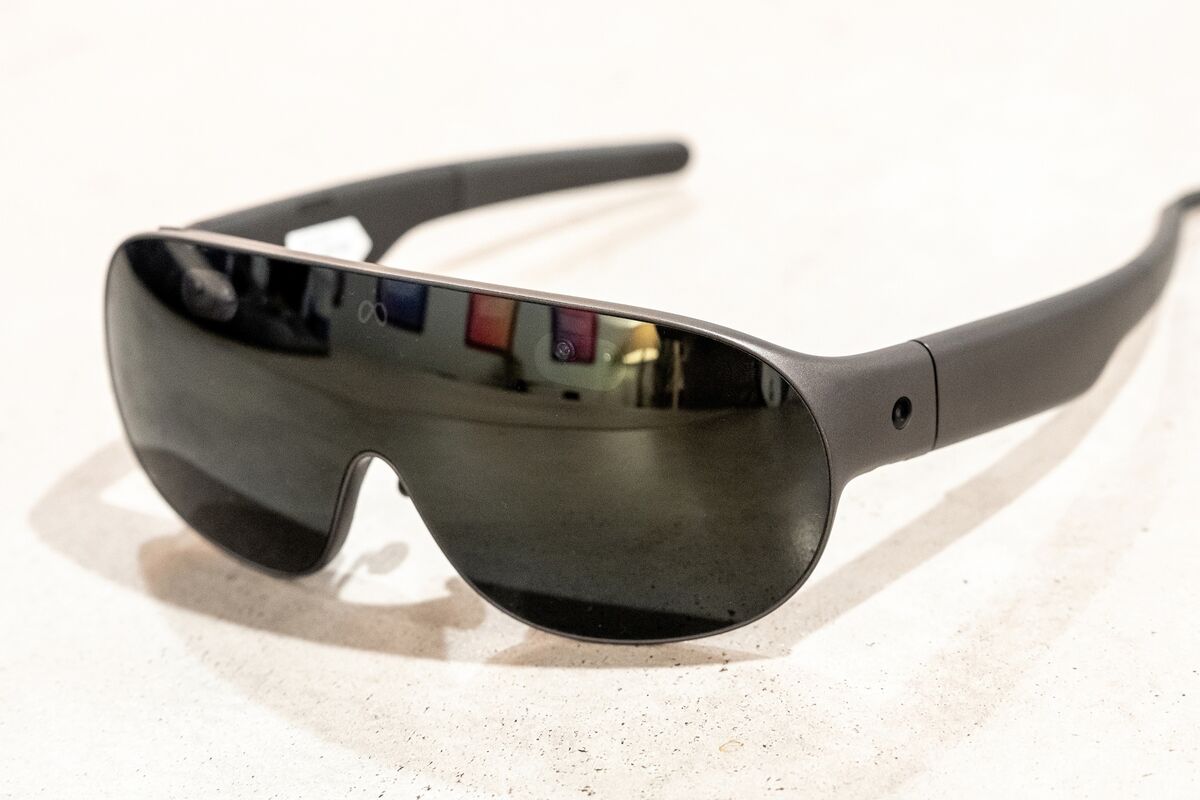
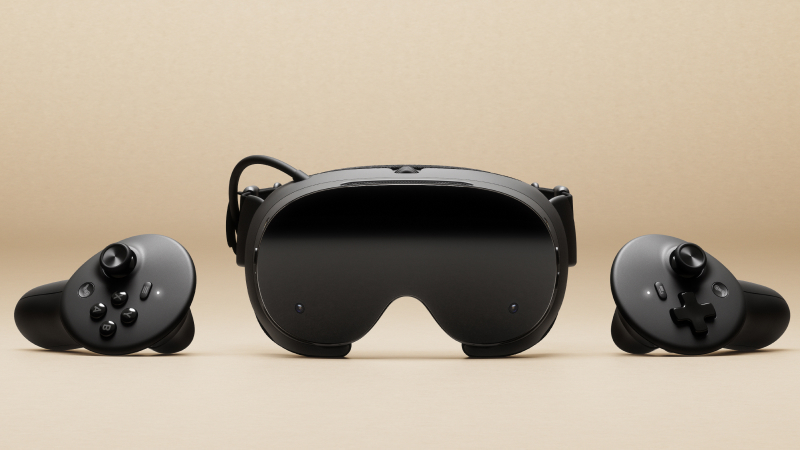
- Meta's VR Glasses weigh roughly 100 grams and cost $1,299, using a glasses form factor with camera passthrough that lets users keep real peripheral vision of their room instead of being fully enclosed like the Meta Quest 3, Steam Frame, or Apple Vision Pro
- The glasses deliver a 70-by-66 degree field of view with 37 pixels-per-degree angular resolution, a wider virtual frame than transparent AR alternatives like the Xreal Aura (70 degrees diagonal this fall) or Xreal One Pro (57 degrees), while keeping the wider, undistorted FOV of enclosed VR
- Meta VP of wearables Alex Himel told The Verge the launch represents "a new era for virtual reality" and that "the future of everything we're doing is a pair of augmented reality glasses," signaling a strategic shift away from goggles
- The author argues the form factor addresses overlooked adoption barriers: parental anxiety about being cut off from kids or pets, discomfort for women with long hair or makeup who dislike headset cushions, and self-consciousness about wearing enclosed displays in planes, trains, or parks
- At roughly a quarter-pound the VR Glasses undercut the 1-pound Steam Frame by 4x and the $3,700 Apple Vision Pro in price, though the $1,300 tag still prices them well above mainstream Quest-level headsets
- The author predicts competitors will copy Meta's passthrough-glasses approach if the device sells, effectively rerouting the industry's long-running bet on transparent AR spectacles toward a hybrid design that uses cameras instead of see-through displays
Why it matters: The Meta VR Glasses target a market failure that better specs alone couldn't fix: even people who like VR refuse to wear a 1-pound sealed headset around their kids, in public, or over styled hair. By swapping the enclosed goggle for 100-gram passthrough glasses at $1,300 — well under the $3,700 Vision Pro — Meta repositions VR from a solitary gaming accessory into something closer to everyday eyewear, and Himel's framing suggests the company is willing to phase out traditional headsets if the new form factor lands.
Ask SkimNews