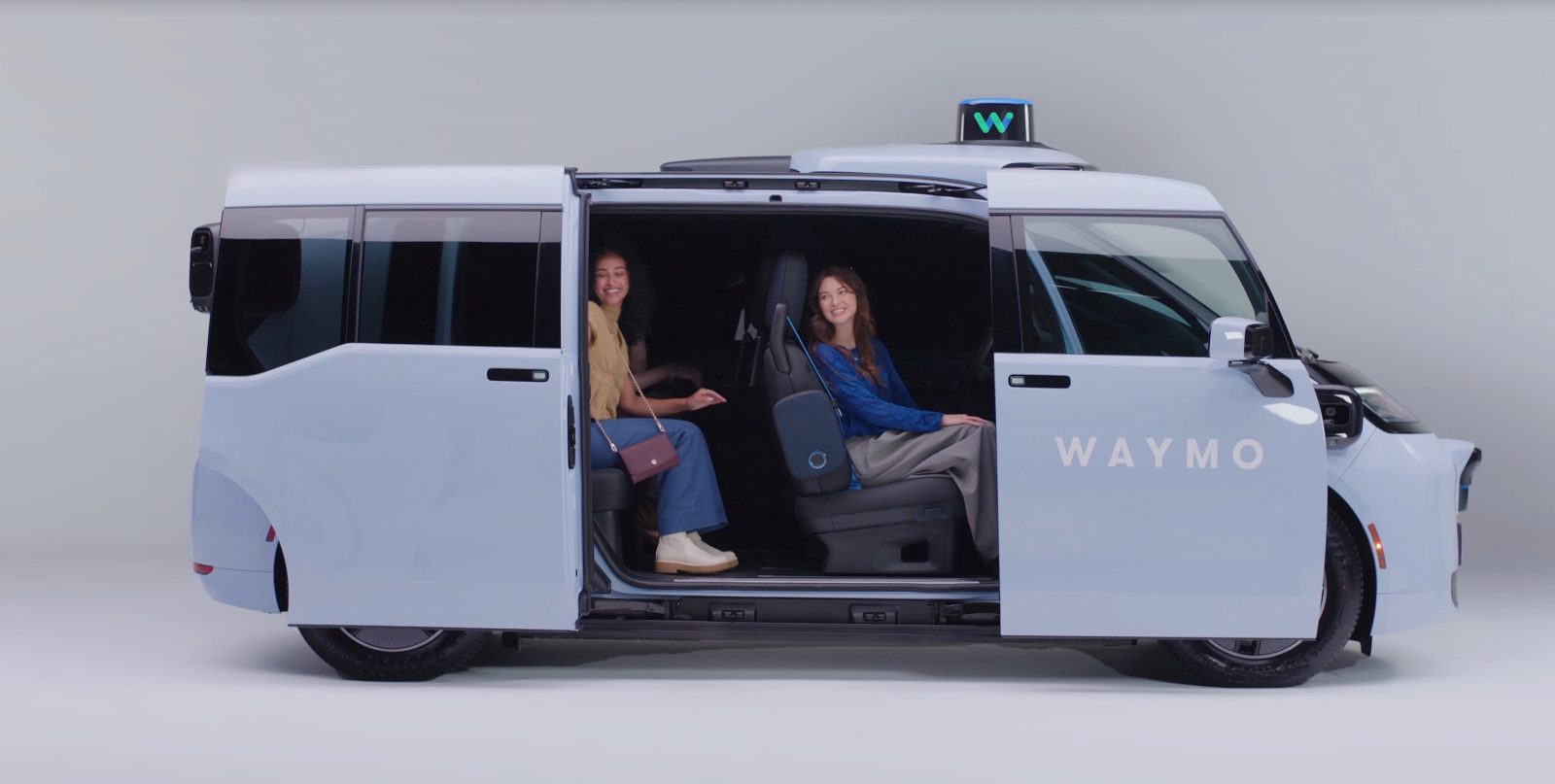
Waymo, Uber, Tesla Lead U.S. Robotaxi Race

Get the Tech newsletter
Daily tech — startups, AI labs, chips, the launches that shape the next decade. Free.
- Waymo operates robotaxis in 11 cities, completes 500,000 paid trips per week, has logged 200 million fully driverless miles, and recently raised $16 billion in fresh capital to expand in the U.S., London, and Tokyo.
- Waymo is a technology supplier that purchases vehicles from manufacturers and relies on fleet‑management partners for cleaning and maintenance rather than operating its own fleet.
- Uber leverages its 15‑year ride‑share platform to develop robotaxi services and is investing $100 million in new AV charging hubs in San Francisco, Los Angeles, and Dallas.
- Uber is partnering with and investing in multiple AV developers, though most of those firms lag Waymo by a few years in autonomous capability.
- Tesla draws on data from nearly 3.2 million vehicles and 1.1 million FSD subscribers, plus its Supercharger network and low‑cost manufacturing, to support a potential robotaxi rollout.
- Tesla has launched a modest ride‑hail service in Austin, Texas, and unveiled a handful of fully driverless cars, but its FSD system still requires human supervision and the company has not yet sought regulatory approval for its Cybercab.
- Tesla’s FSD relies solely on cameras, omitting lidar and radar, a design that critics question but investors view as a path toward full autonomy.
Why it matters: Waymo's $16bn capital and driverless miles give it a lead in scaling robotaxi networks; Uber's ride‑share platform and $100m charging hubs position it to quickly expand services; Tesla's massive fleet data and Supercharger network could enable a low‑cost robotaxi model, threatening traditional automakers' market share.