Carney Courts China, India as Trump Disrupts Alliances — SkimNews
Get the Geopolitics newsletter
Daily geopolitics — wars, elections, sanctions, the diplomatic moves that move markets. Free.
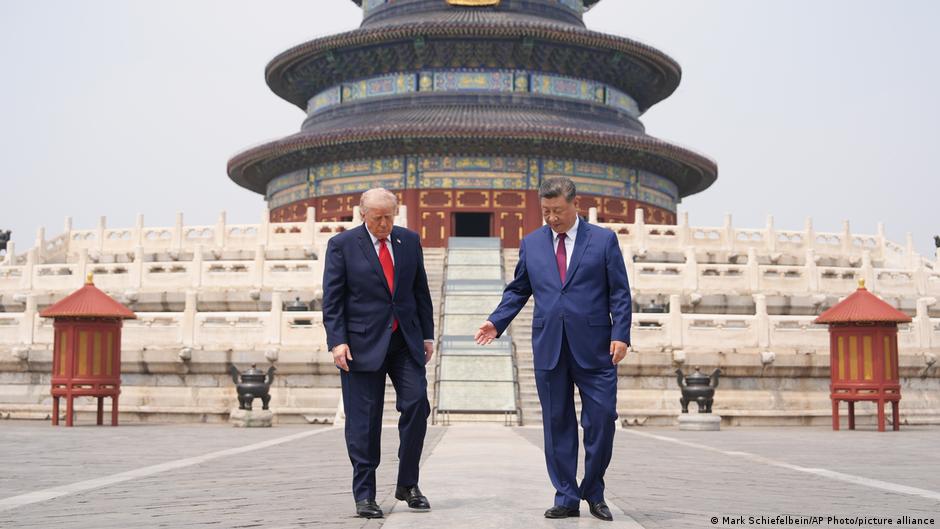
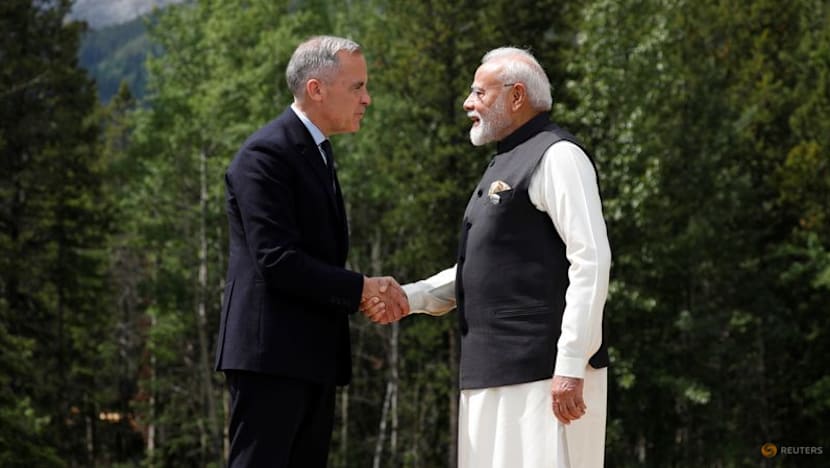
- Mark Carney concluded visits to China and India with a flurry of agreements — 21 with China spanning clean energy to agriculture, and deals with India on supply chains for clean energy, electric vehicles, and advanced manufacturing, with both sides agreeing to accelerate a Comprehensive Economic Partnership Agreement to double bilateral trade.
- The trips represent a strategic move to step out of the shadow of the United States, driven by Trump's upending of long-held alliance assumptions, his claims on Canada and Greenland, and his ongoing tariff policy including new trade probes targeting key trading partners.
- Calling the visits a "reset" overstates the case — unresolved Khalistan tensions persist, including the 2023 dispute in which then-PM Justin Trudeau accused Indian government agents of involvement in the killing of Canadian Sikh activist Hardeep Singh Nijjar in British Columbia, a charge India strongly denied.
- Ties with Beijing carry their own baggage: the 2018 detention of Huawei CFO Meng Wanzhou in Canada at the US's request infuriated China, and 2024 trade disputes saw both sides impose tariffs on one another.
- Carney's January Davos speech framed the moment bluntly, urging middle powers to "act together because if we're not at the table, we're on the menu."
- Vina Nadjibulla of the Asia Pacific Foundation of Canada said the China trip was about "signalling, and beginning to implement, a more independent Canadian foreign policy in response to fundamental shifts in the global economic and security order."
- Veteran Singapore diplomat Bilahari Kausikan told CNA that Canada is "trying to put into practice" Carney's Davos vision, but added that India, Australia, Japan, and South Korea have already been engaging in this kind of middle-power networking "for quite some time."
Why it matters: For Canada, the practical test is whether new frameworks with India and China can hold up despite unresolved irritants — Khalistan advocacy at home and the Meng Wanzhou legacy with Beijing. For the broader middle-power bloc, Carney's pivot validates a strategy that India, Japan, South Korea, and Australia have already been pursuing, even as Trump's tariff probes and a third-week war in Iran deepen the pressure to diversify away from Washington.
Ask SkimNews