Takeaway meals contain more salt than advertised, study finds — SkimNews
Get the Health newsletter
Daily health & science — research, biotech, public health, the studies worth knowing. Free.
- University of Reading researchers found that 47% of 39 takeaway meals purchased from 23 locations in Reading contained more salt than their declared menu values, according to the study published in PLOS One.
- Pasta dishes ranked as the saltiest per serving, averaging 7.2g and exceeding the UK's 6g recommended daily intake in a single meal, with one pasta dish containing 11.2g of salt.
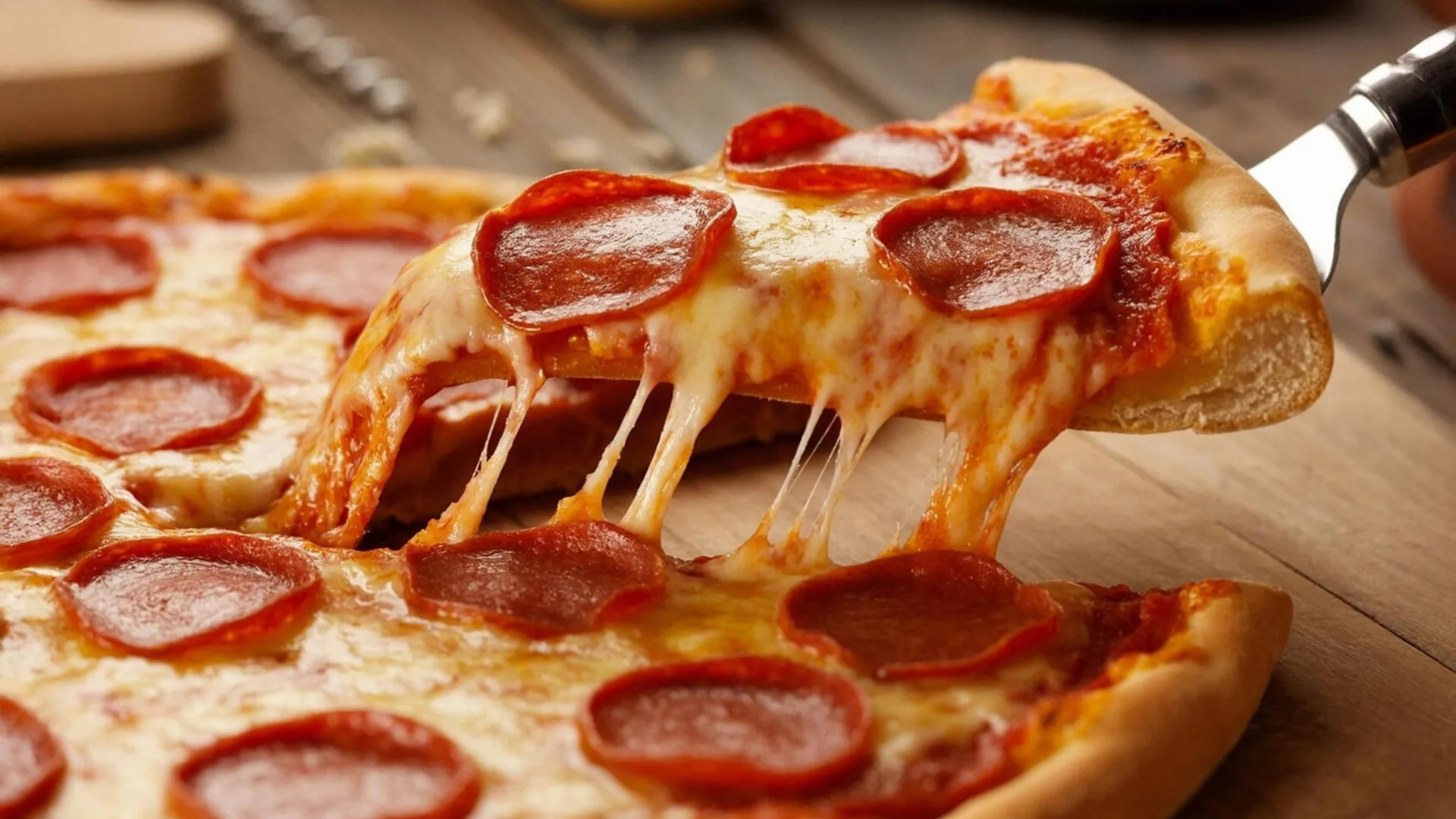
- Meat pizzas posted the highest salt concentration at 1.6g per 100g, while curry dishes showed the widest range, varying from 2.3g to 9.4g per serving.
- Fish and chip shops ranked among the lowest-salt options, with chips containing just 0.2g of salt per serving compared to roughly 1g from other takeout outlets, because salt is typically added only after cooking and on request.
- Professor Gunter Kuhnle, who led the study, said menu labels are "rough guides at best, not accurate measures" because variations in preparation, ingredients, and portion sizes make precise salt reporting virtually impossible.
- The World Health Organization estimates that excessive salt consumption contributes to 1.8 million deaths worldwide each year.
Why it matters: Because UK adults are advised to eat no more than 6g of salt daily, and restaurant labels are the sole transparency diners receive, a 47% inaccuracy rate means consumers cannot reliably make informed choices from menus. Kuhnle's observation that restaurants cannot accurately report salt without measuring each meal also exposes a structural gap in current menu-labeling policy that goes beyond individual restaurant compliance.
Ask SkimNews