Japan plans quantum-sensor drone swarms to trap Chinese subs — SkimNews

Get the Geopolitics newsletter
Daily geopolitics — wars, elections, sanctions, the diplomatic moves that move markets. Free.
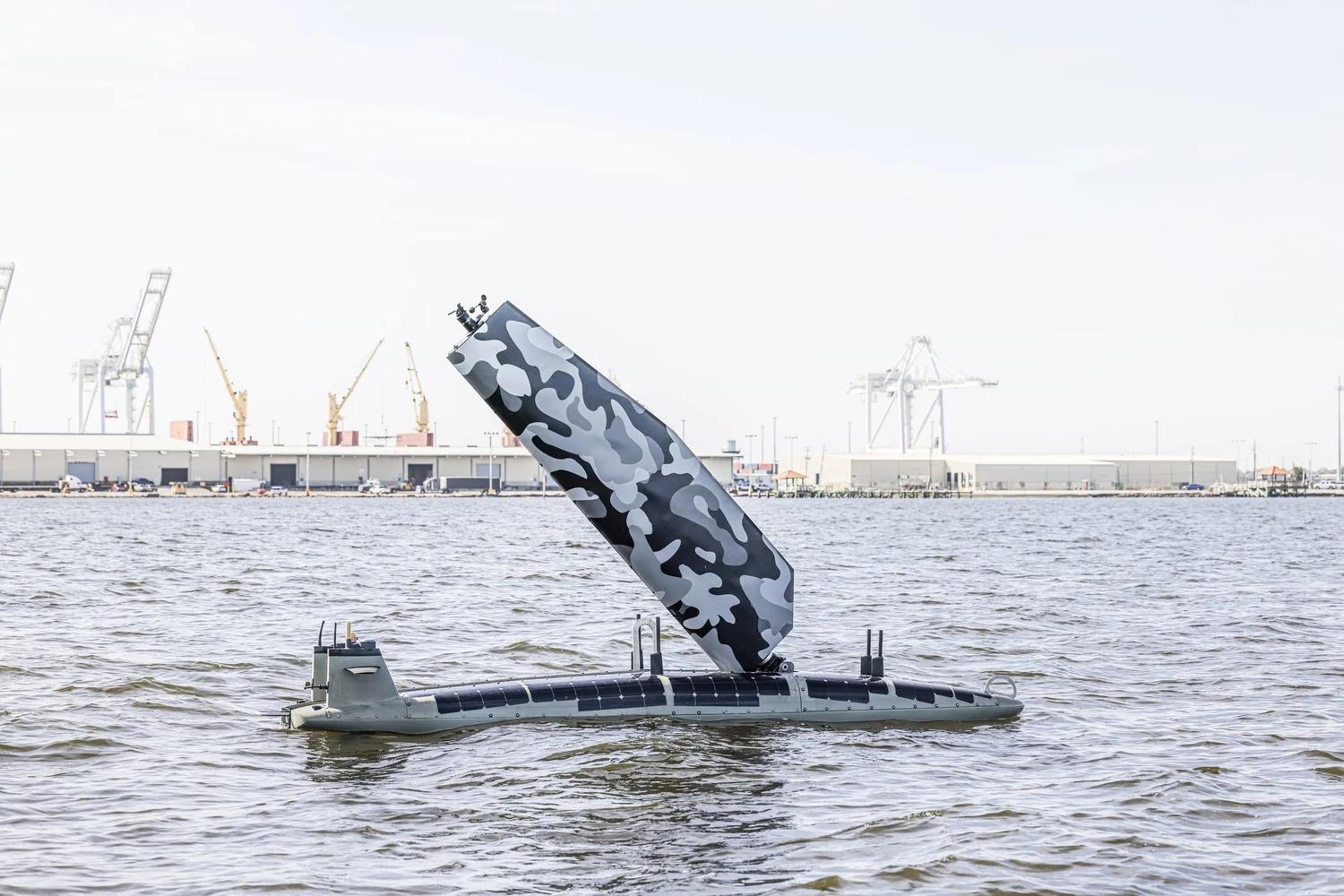
- Japan's Ministry of Defense requested funding to develop drone-mounted quantum magnetic sensors by fiscal 2031, deploying compact atomic-level sensors on low-cost UAVs launched from warships to deliver persistent surveillance at maritime chokepoints, per an August budget request reported by the South China Morning Post.
- Researchers Yongzhao Yan and colleagues proposed in a December 2024 Drones article that anti-submarine UAV swarms would divide maritime sectors into sub-areas using geometric path planning, then trigger a decentralized protocol that dynamically repositions drones into an encircling formation to pin down maneuvering submarines.
- China's submarine fleet already exceeds 60 vessels — including six nuclear attack, at least two guided-missile, six ballistic missile, and more than 50 diesel-electric submarines — and is projected to reach roughly 70 by 2027 and 80 by 2035, with about half being nuclear-powered, per Rear Admiral Mike Brookes' March 2026 congressional testimony.
- The Miyako Strait, a 250-kilometer channel with the Ryukyu archipelago's deepest waters, serves as China's primary deep-water gateway to the Pacific, making it the likely operational zone where Japan aims to bottle up or attrit the PLAN's North and East Sea Fleets during a conflict.
- Future Type 095 attack and Type 096 ballistic missile submarines are projected to integrate pump-jet propulsion, low-speed reactor natural circulation, and floating raft isolation to approach Russian Akula-class stealth levels, per Andrew Erickson's June 2026 Korea Institute for Maritime Strategy report.
- The US, Australia, the UK, and Japan are jointly deepening investment in uncrewed systems, advanced acoustic communications, and data-processing capabilities to counter China's sea-based nuclear deterrence, while China simultaneously develops its own drone sensors and an 'Underwater Great Wall' network.
Why it matters: Japan's pivot to quantum-sensor drone swarms is a direct response to the PLAN's projected growth from 60 to roughly 80 submarines by 2035, with nuclear hulls expanding beyond the First Island Chain. If the technology matures on its fiscal 2031 timeline, Japan could turn the Miyako Strait into a persistent sensor barrier that forces every Chinese transit into detection, fundamentally reshaping undersea deterrence in the Western Pacific.
Ask SkimNews