Japan Tapping Quantum Drones to Trap Chinese Subs — SkimNews

Get the Geopolitics newsletter
Daily geopolitics — wars, elections, sanctions, the diplomatic moves that move markets. Free.
- Japan plans to develop drone-mounted quantum magnetic sensors by fiscal 2031, per a late-August defense budget request reported by SCMP, as rising personnel costs and China's expanding undersea fleet reshape anti-submarine priorities.
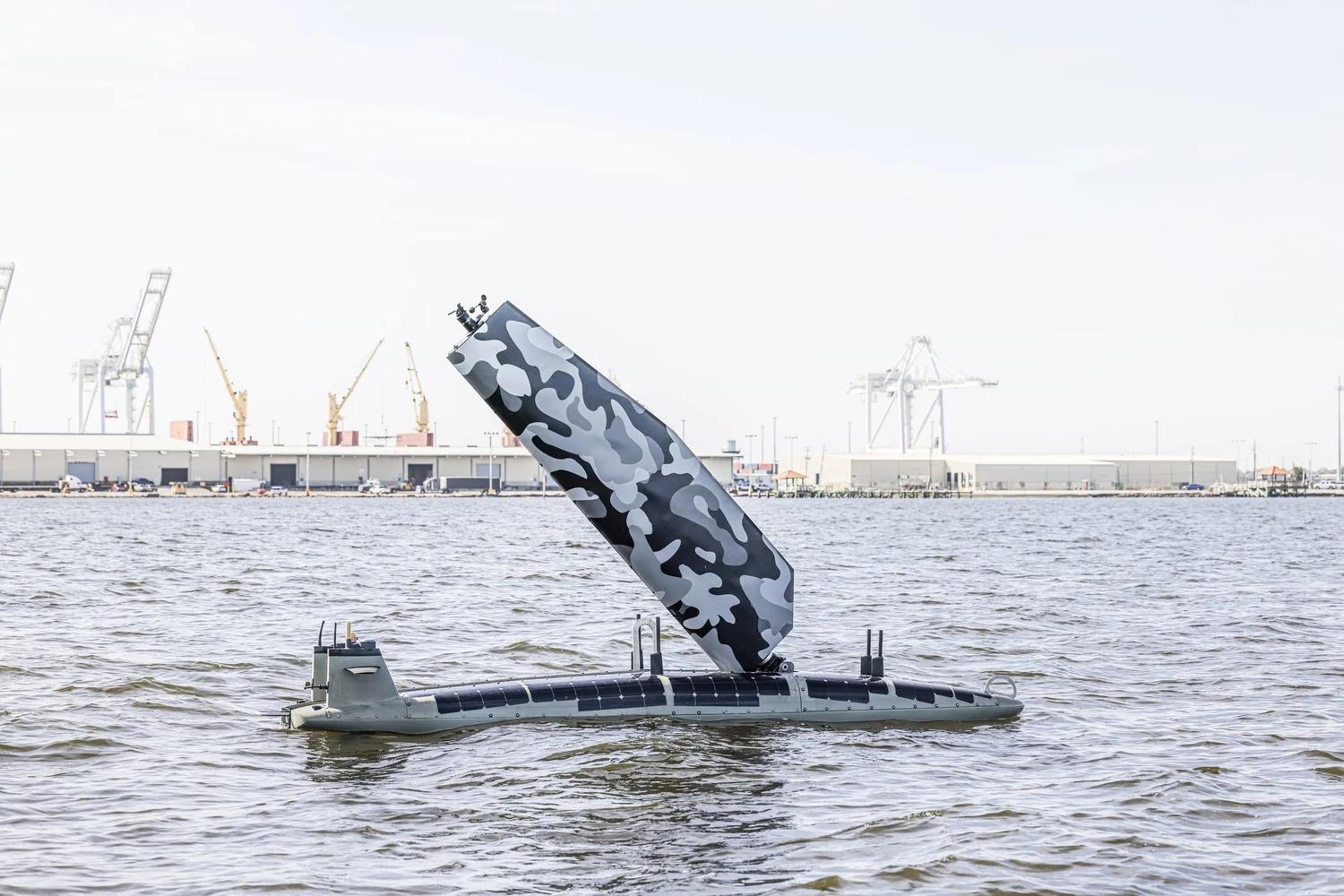
- Japan's concept pairs compact atomic-level magnetometers with low-cost UAVs launched from warships, trading the limited range of individual sensors for the mass economics of swarming—marketed as a cheaper alternative to crewed P-1 patrol aircraft.
- China is developing its own drone sensors alongside an "Underwater Great Wall" network; the US DoD projects its submarine force will reach 80 vessels by 2035, while Rear Adm. Mike Brookes testified in March 2026 that the PLAN currently operates over 60 submarines and is transitioning toward an all-nuclear fleet.
- China's future Type 095 attack and Type 096 ballistic missile submarines are projected to integrate pump-jet propulsion, low-speed reactor natural circulation, and horizontal floating raft isolation to approach Russian Akula-class stealth levels, per Andrew Erickson's June 2026 KIMS report.
- Japan's operational focus is the Miyako Strait, China's primary deep-water gateway to the Pacific, where multiple PLAN carrier strike group deployments have already underscored the chokepoint's value—Japan seeks to bottle up or attrit the North and East Sea Fleets during a conflict.
- The US, Australia, UK, and Japan are deepening joint investments in uncrewed systems, advanced acoustic communications, and data-processing to counter China's sea-based nuclear deterrence, forcing both sides to aggressively hunt opposing submarines while shielding their own inside contested waters.
Why it matters: Japan is buying time at one specific 250-kilometer gate before China's submarine fleet hits a projected 80 hulls by 2035, with next-generation nuclear platforms approaching Russian Akula-class stealth. If quantum drone swarms mature on schedule by fiscal 2031, Tokyo gains a persistent, cheap surveillance layer that doesn't depend on scarce P-1 crews—directly shaping whether the PLAN can break into the Pacific during a Taiwan contingency.
Ask SkimNews