Slug sleuths on the trail of gorging gastropods — SkimNews
Get the Energy newsletter
Daily energy & climate — solar, EVs, oil, the policy fights and tech bets shaping the transition. Free.
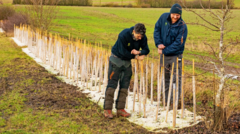
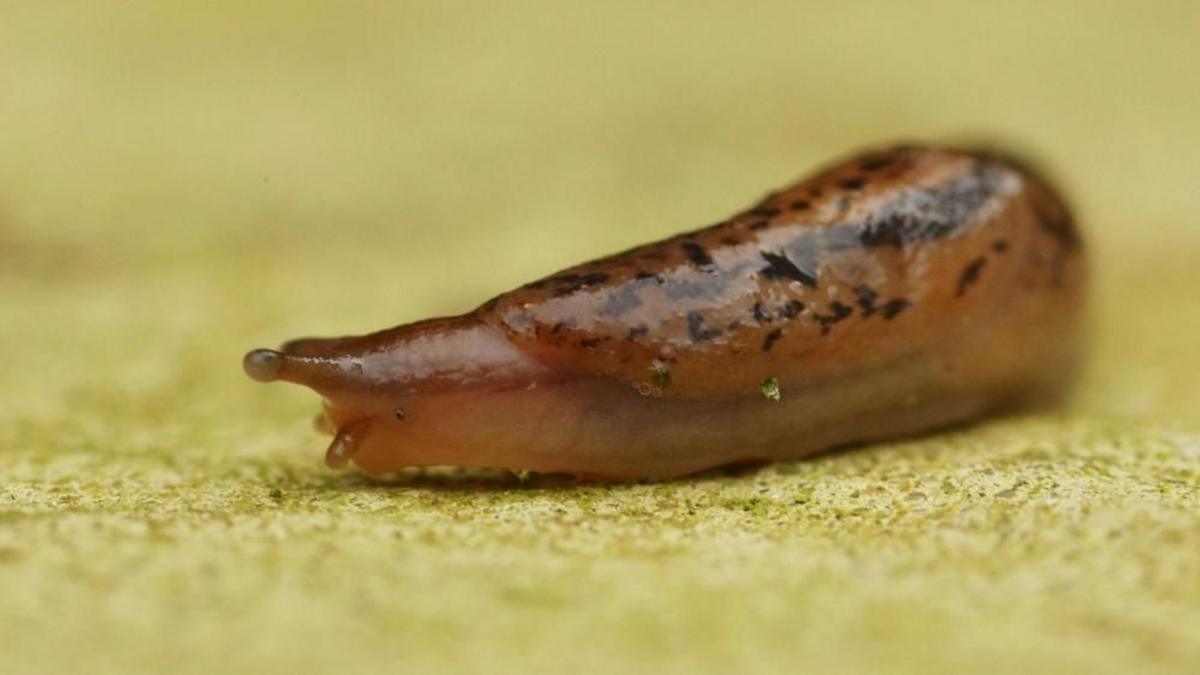
- Harper Adams University built slug prediction maps using data from 28 'slug sleuth' farmers across more than 100 farms, part of the £2.6 million SLIMERS programme funded by Defra over three years.
- Professor Keith Walters confirmed that slug patches temporarily reform in unexpected locations after soil waterlogging before returning to their predicted areas, validating the model under disrupted conditions.
- The SLIMERS programme (Strategies Leading to Improved Management and Enhanced Resilience to Slugs) is a three-year Defra-funded research effort aimed at enabling more precise control and reducing pesticide use in arable fields.
- Bedfordshire wheat farmer Charles Paynter said the maps let him raise his threshold for taking control measures, because he can now evaluate slug risks with greater accuracy and deploy more targeted treatments that are potentially less damaging to biodiversity.
- Despite low slug numbers during the testing period, researchers gathered sufficient data to prove the model works and that farmers are happy to deploy it alongside modern commercial equipment.
Why it matters: For the 100+ UK farms enrolled in the SLIMERS trial, the maps shift slug control from blanket spraying to targeted treatment — potentially reducing pesticide use and biodiversity damage. With Defra's £2.6 million backing and on-the-ground farmer buy-in confirmed, precision slug control is positioned to deploy with the commercial equipment already in use.
Ask SkimNews