Hyundai IONIQ 9 Review: 81.25/100 After 600km — SkimNews
Get the Energy newsletter
Daily energy & climate — solar, EVs, oil, the policy fights and tech bets shaping the transition. Free.
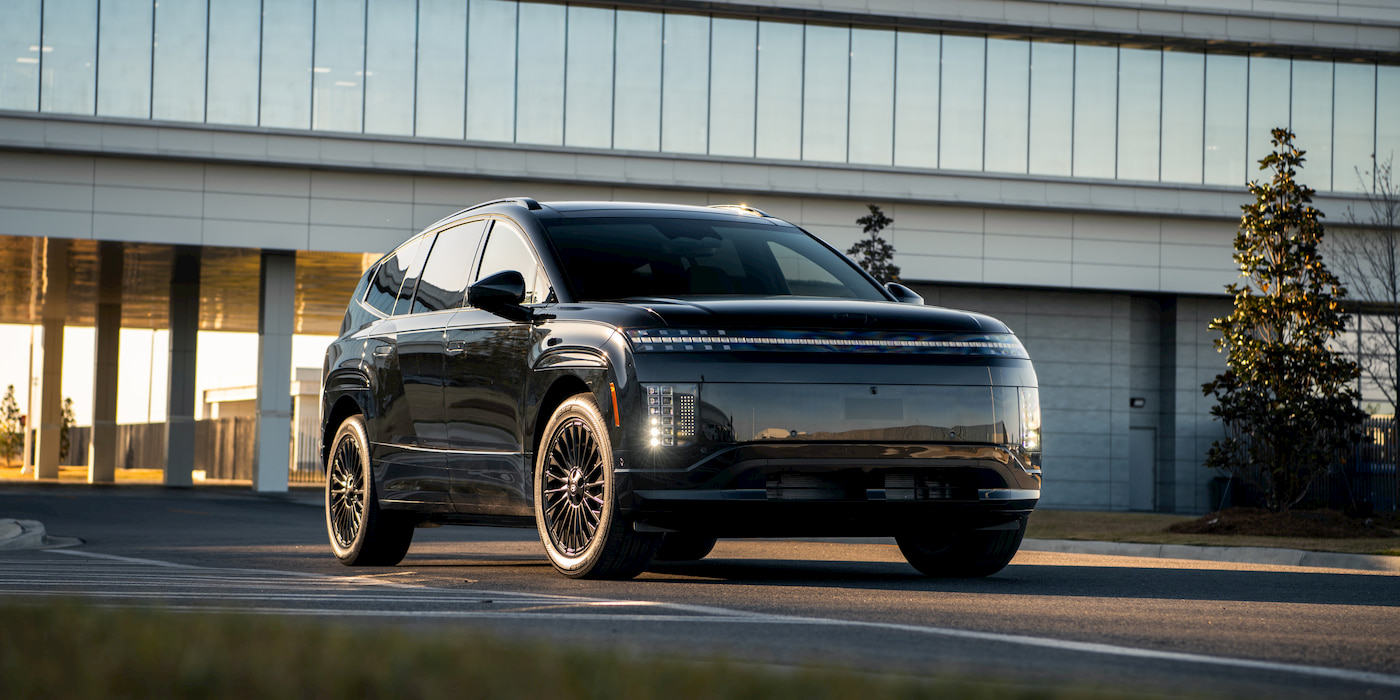
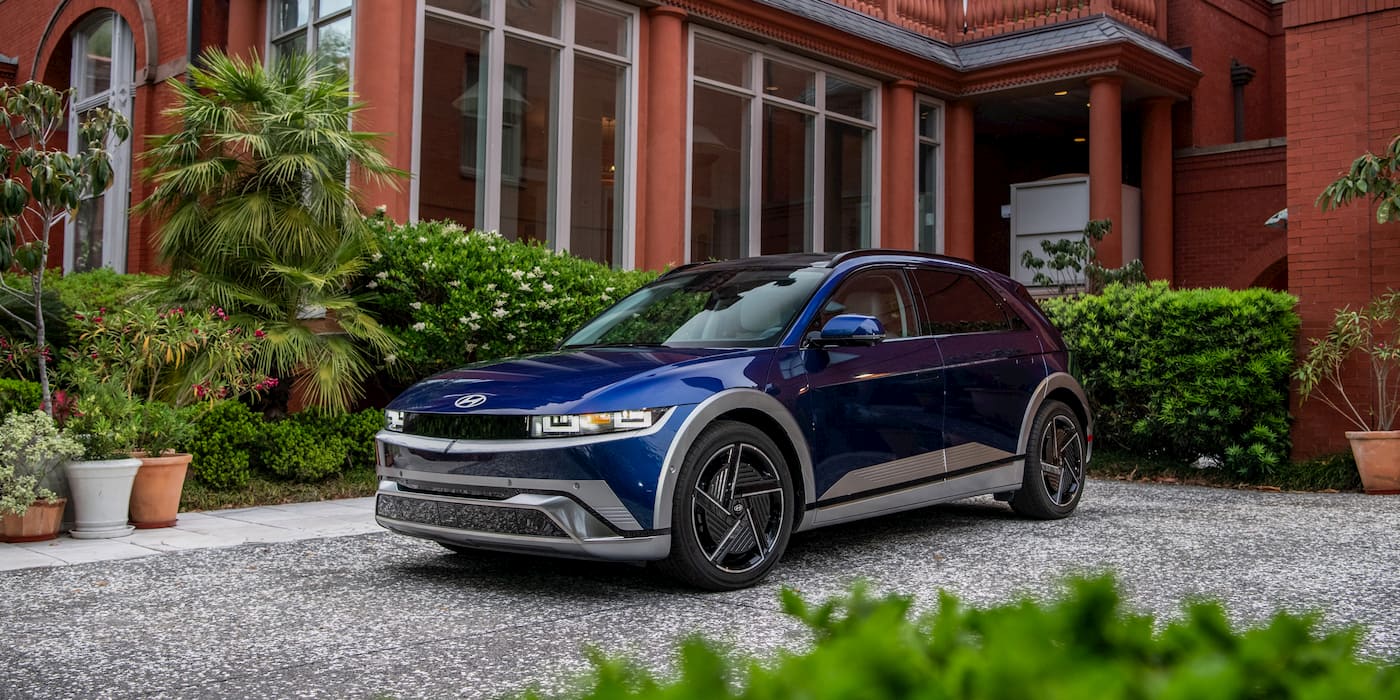
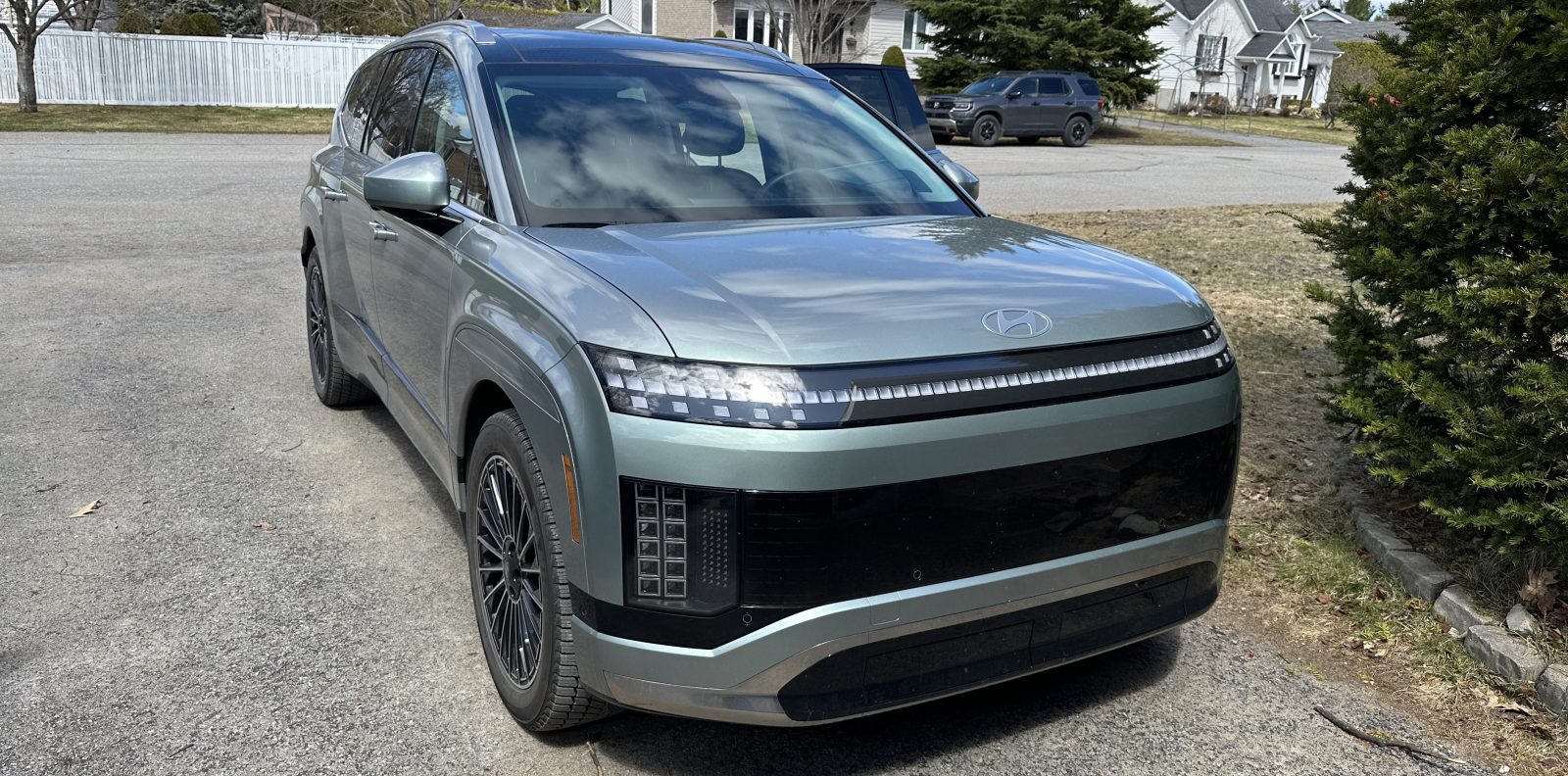
- Hyundai IONIQ 9 seats six or seven, starts at $58,955 USD, and rides on the 800V E-GMP platform shared with the IONIQ 5 and 6, with a 110.3 kWh NMC battery and 311–335 miles of EPA range.
- The reviewer logged 600+ km of mixed highway and city driving in Canada and scored the IONIQ 9 81.25/100 across engineering, charging, ergonomics, driving, ADAS, and safety categories.
- Fast charging peaked at nearly 215 kW with 197.75 kW still drawing at 60% state of charge; a 10–80% session completes in 24 minutes on a native 800V/350 kW station.
- On Tesla Superchargers (400V), the IONIQ 9's built-in boost converter caps peak power at roughly 126 kW, stretching the same 10–80% charge to approximately 40 minutes.
- Real-world efficiency came in at 23.0 kWh/100 km on a highway run at ~110 km/h in 8°C weather, versus 18.1 kWh/100 km in slower 75 km/h city traffic with no climate control.
- Vehicle-to-Home (V2H) is hardware-ready on the IONIQ 9 but not yet activated in North America, putting Hyundai behind GM's Vistiq and Lyriq, which already support V2H via the GM Energy bundle.
Why it matters: The IONIQ 9's 800V architecture delivers genuinely fast charging — but only on native 800V stations. On Tesla's 400V Supercharger network, peak power falls by roughly half, turning the advertised 24-minute 10–80% top-up into a 40-minute one. For families planning long-distance road trips, the charging-station type you encounter matters as much as the vehicle you bought. Hyundai's V2H lag behind GM is the other notable gap, though Hyundai says activation is coming in the near term.
Ask SkimNews