Obesity rates have doubled in England since 1993 - what's going on? — SkimNews
Get the Health newsletter
Daily health & science — research, biotech, public health, the studies worth knowing. Free.
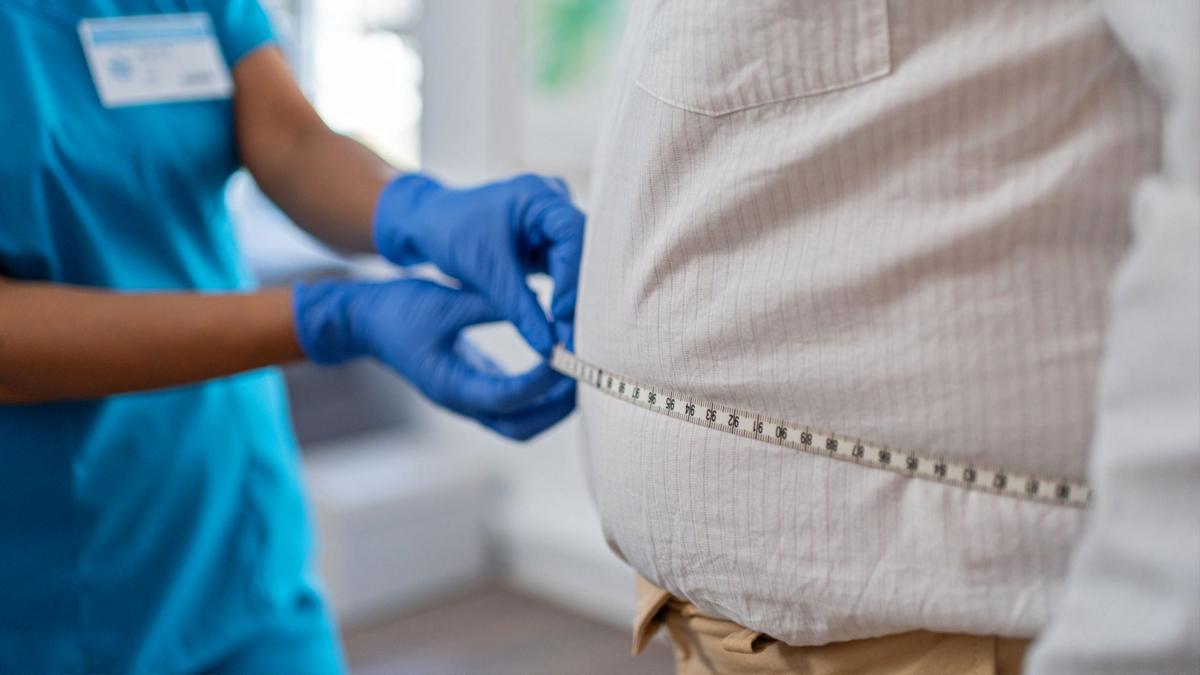
- King's Fund analysis found England's adult obesity rate doubled from 15% in 1993 to 30% in 2024, with 14 million adults now classified as obese — 7 million more than if 1993 rates had held.
- 16-24 year-olds saw the sharpest rise, going from 6% obese in 1993 to 18% in 2024, producing roughly 700,000 more obese young adults than unchanged rates would have created.
- UK governments have launched 14 separate obesity strategies since 1992, with King's Fund senior fellow Dave Buck accusing ministers of "talked the talk, but not sufficiently walked the walk."
- The Conservative government introduced the soft drinks sugar levy in 2018, and Labour banned junk food TV ads before 21:00 and all online junk food ads from January 2025 — further pledged restrictions on unhealthy food sales remain unimplemented.
- Obesity costs the UK economy roughly £126bn per year, including £12bn to the NHS, or about 7% of its annual budget.
- Wegovy is available on the NHS for adults with a BMI of at least 35 plus a weight-related condition, while Mounjaro has been available from specialist NHS clinics in England and Wales since March 2025.
- Prof Sir Chris Whitty, England's Chief Medical Officer, warned it would be a "societal failure" if lifelong medication were the only answer, pointing to France as a country that has kept obesity levels stable.
Why it matters: With obesity costing the NHS £12bn — roughly 7% of its annual budget — and 14 strategies producing a doubling of rates over three decades, the King's Fund data suggests current policy levers and weight-loss jabs alone will not bend the curve, especially as 16-24 year-olds' rate tripled to 18%.
Ask SkimNews