Iran War Complicates BRICS Summit in New Delhi — SkimNews
Get the Geopolitics newsletter
Daily geopolitics — wars, elections, sanctions, the diplomatic moves that move markets. Free.
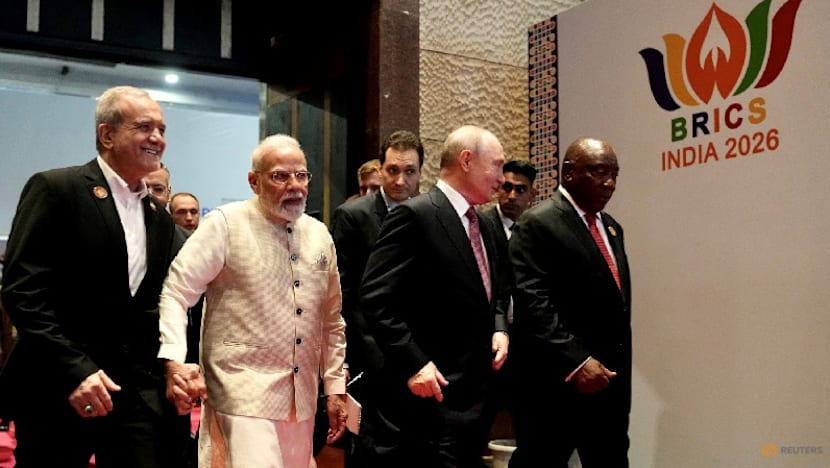
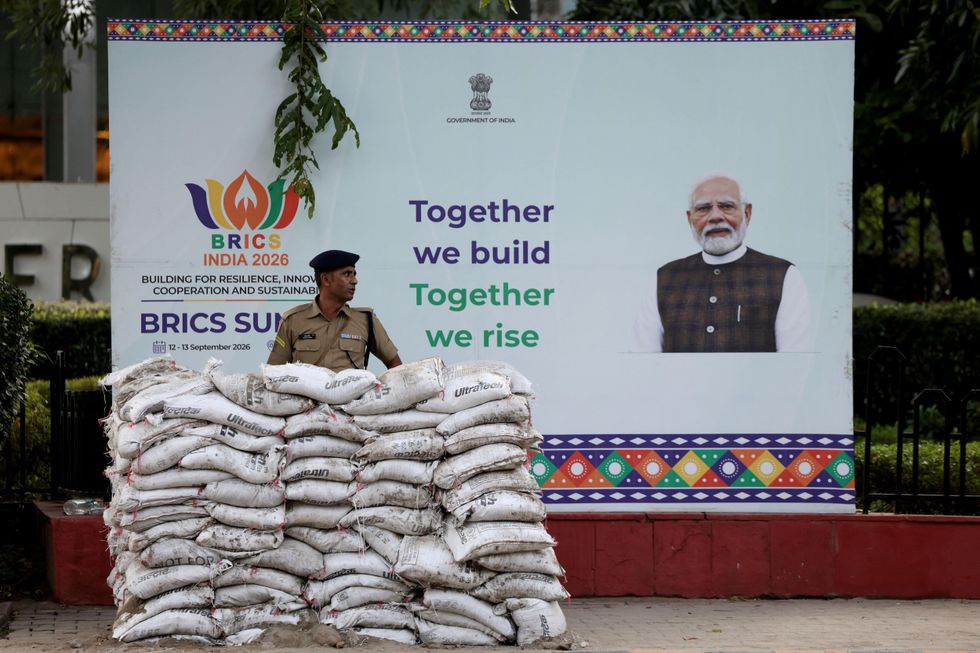
- India hosts the BRICS Summit in New Delhi this weekend as the U.S.-Israeli campaign against Iran has divided the bloc and complicated efforts to secure consensus on trade and economic objectives.
- BRICS divisions are deeper than at last year's Brazil summit, where leaders condemned strikes against Iran; this year, Foreign Ministers failed to unify behind Iran's calls to condemn U.S. and Israeli "unlawful aggression."
- Iran has damaged relations with fellow BRICS members UAE and Saudi Arabia by attacking infrastructure and U.S. bases on their territory, prompting an indefinite UAE trade embargo halting all commercial and financial transactions with Tehran.
- BRICS Pay, a cross-border settlement platform launched earlier this year integrating China's CIPS, India's UPI, Brazil's Pix, and Russia's SPFS, will receive heavy summit attention as a tool to reduce dollar dependency.
- Scott Bessent issued "Operation Economic Outcast," a sanctions plan escalating pressure on Iran and alerting countries cooperating with Tehran that the U.S. could restrict their access to the U.S. financial system.
- Iran seeks BRICS Bank membership during the Delhi meeting, with Iranian President Masoud Pezeshkian set to attend; China and Russia are pushing for a greater Iranian profile in BRICS institutions.
- Modi visited Netanyahu days before the February 2026 U.S.-Israeli attack on Iran, deepening India's Israel ties even as other BRICS members' relationships with Tel Aviv have soured.
Why it matters: India must steer the bloc toward its economic agenda — the BRICS Strategy for Economic Partnership 2030, BRICS Pay, and CBDC linkage — while avoiding anti-Western framing, since Bessent's 'Operation Economic Outcast' threatens U.S. financial-system access for countries cooperating with Iran.
Ask SkimNews