BRICS Ministers Fail to Agree on Iran Conflict — SkimNews

SkimNews Take
The inability of BRICS nations to forge a unified response to the Iran conflict highlights how external geopolitical pressures can expose and exacerbate pre-existing internal divisions within a bloc.
Get the Geopolitics newsletter
Daily geopolitics — wars, elections, sanctions, the diplomatic moves that move markets. Free.
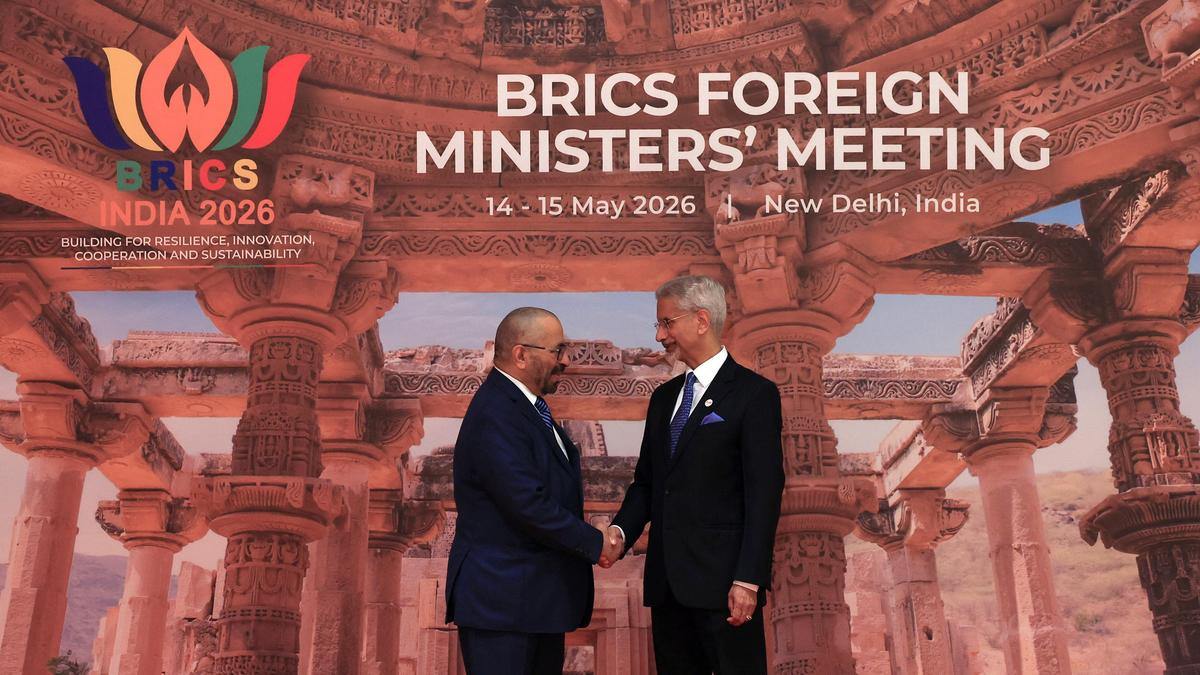
- BRICS foreign ministers met in New Delhi for two days and ended without a joint position on the US‑Israel war on Iran, noting only “differing views” in the outcome document.
- India chaired the meeting under External Affairs Minister Subrahmanyam Jaishankar, marking the first major ministerial engagement under its 2026 BRICS presidency and ahead of a leaders’ summit scheduled for September.
- Iran has closed the Strait of Hormuz to commercial shipping and the United States imposed a naval blockade on Iranian ports, while Pakistan‑mediated diplomatic talks have stalled.
- China was represented by its ambassador to India, Xu Feihong, because Foreign Minister Wang Yi attended President Donald Trump’s state visit to Beijing.
- Abbas Araghchi urged BRICS members to explicitly condemn US and Israeli violations of international law and to take concrete action to halt warmongering, while avoiding naming the UAE to preserve unity.
Why it matters: India loses diplomatic leverage as the BRICS bloc fails to present a united front on Iran, weakening its push for a September summit and reducing its bargaining power in global energy negotiations.
Ask SkimNews