BRICS Delhi Declaration Sidesteps US, Omits Ukraine War — SkimNews

Get the Geopolitics newsletter
Daily geopolitics — wars, elections, sanctions, the diplomatic moves that move markets. Free.
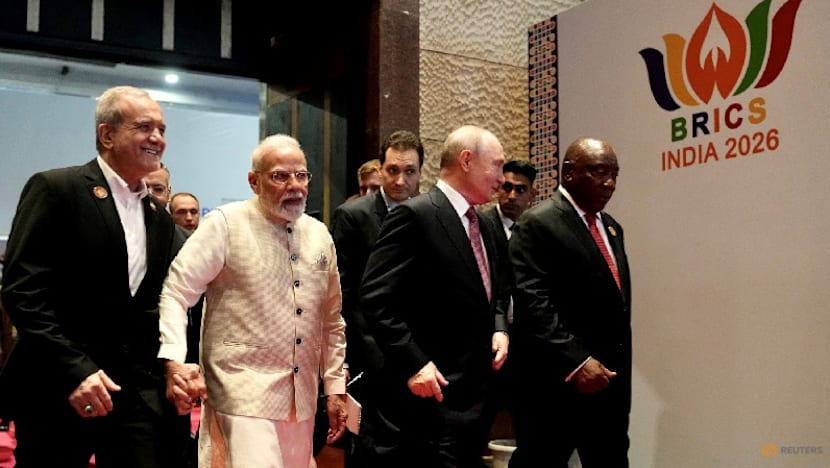
- Modi opened the Delhi summit by urging members to become "rule-shapers" not "rule-takers," while insisting BRICS is "not against anyone," reflecting his reluctance to cast the bloc as anti-Western.
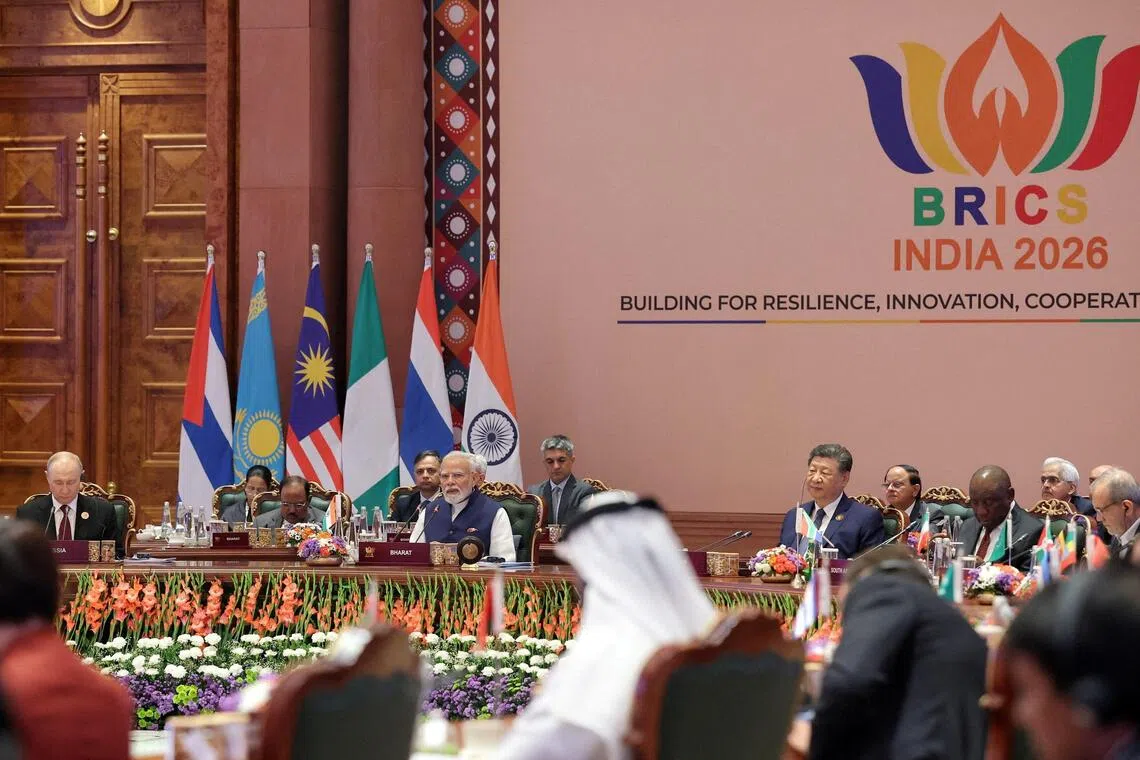
- The New Delhi Declaration was adopted on the summit's first day—notable because two earlier BRICS ministerial meetings this year had failed to produce a joint statement.
- The declaration condemned "indiscriminate rising tariffs" and unilateral sanctions but stopped short of naming the United States, likely to avoid provoking Trump, who has previously called BRICS proposals "anti-American."
- For the first time, a BRICS declaration made no mention of Russia's war in Ukraine, a departure from previous group statements.
- Iran's President Pezeshkian and Abu Dhabi's Crown Prince Sheikh Khaled bin Mohamed bin Zayed Al Nahyan held the highest-level face-to-face meeting known between the two countries since the Middle East war began.
- Chinese President Xi Jinping made his first visit to Delhi in seven years; he and Modi exchanged a cordial handshake rather than Modi's signature hug, and Xi stayed under 24 hours, skipping Modi's Saturday gala dinner, though both leaders agreed to strengthen business ties and transport links.
Why it matters: The declaration's careful omissions show how Trump's trade threats and the Iran war have made even vague criticism of the US politically costly inside BRICS, while India positions itself as a bridge among rivals rather than an anti-Western bloc. Iran, under a US naval blockade and "Operation Economic Outcast," used the summit to press for deeper economic ties with Malaysia, India, and Ethiopia.
Ask SkimNews