More hosepipe bans in force as drought declared - is your area affected? — SkimNews
Get the Energy newsletter
Daily energy & climate — solar, EVs, oil, the policy fights and tech bets shaping the transition. Free.
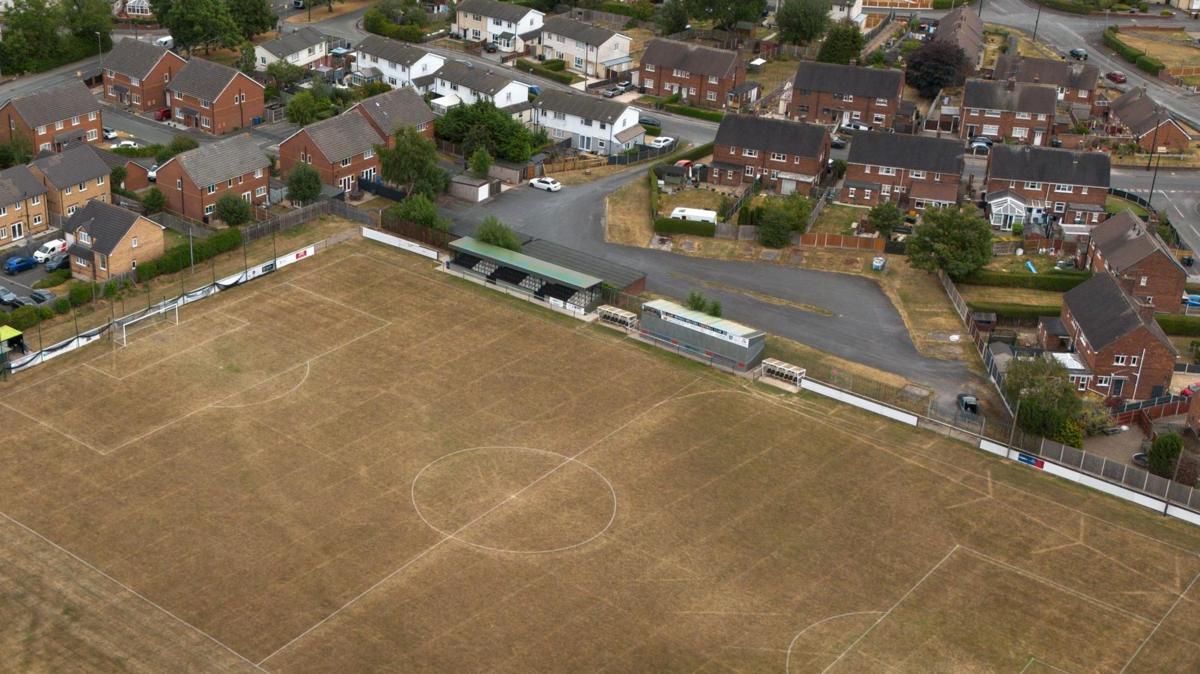
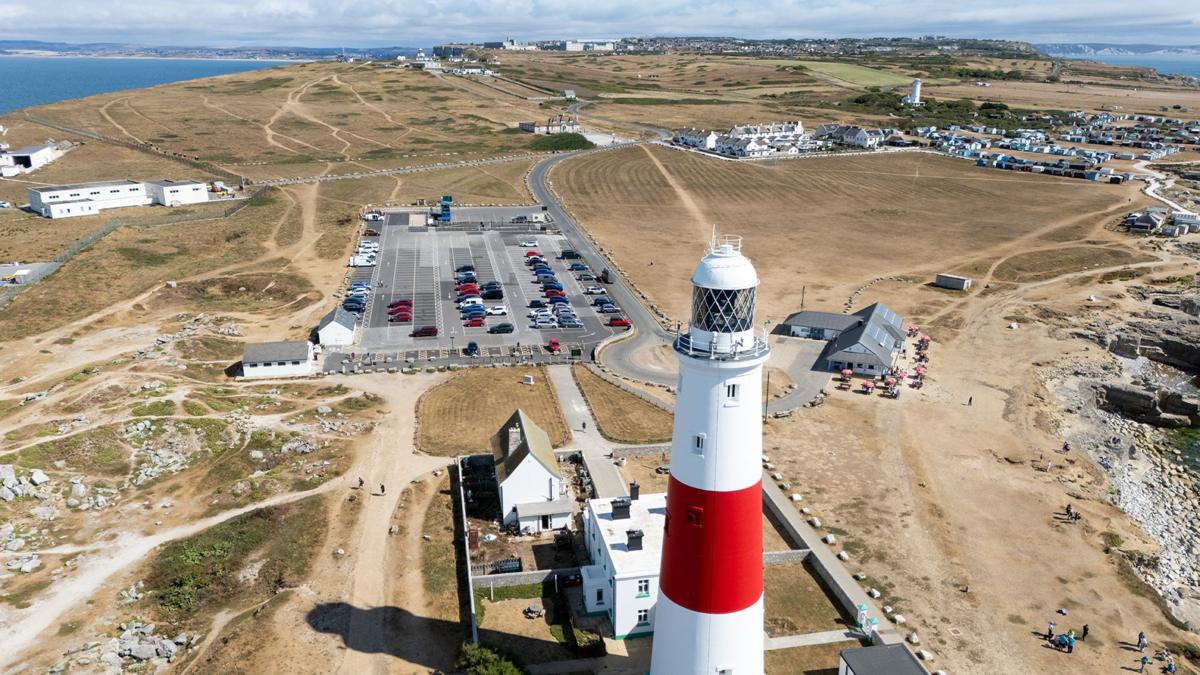
- England and Wales are under drought conditions, with nearly three-quarters of England and all of Wales affected; both nations provisionally recorded their driest July on record following a wetter-than-usual winter and repeated heatwaves.
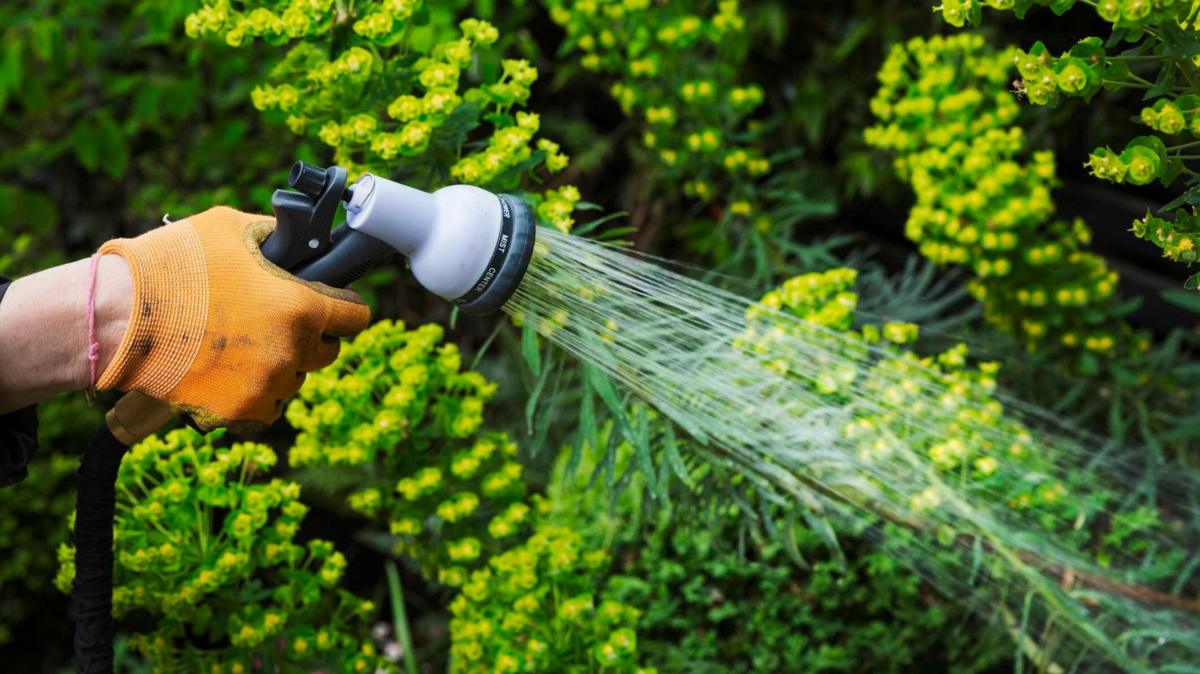
- Wessex Water became the tenth UK provider to announce a hosepipe ban — its first in 50 years — bringing the total number of people under such measures to nearly 30 million across nine companies in England and one in Wales.
- The UK Centre for Ecology & Hydrology classified almost all river flows in England and Wales as 'below normal,' 'notably low,' or 'exceptionally low' in July; hydrologist Steve Turner warned low flows are likely to persist well into autumn.
- England's reservoirs sit below average for the time of year, while Dŵr Cymru Welsh Water says its position in Wales is 'relatively strong'; reservoirs in Northern Ireland and Scotland are close to average.
- A landmark review of England's water sector criticized companies for historic underinvestment in infrastructure; the government and water companies are now planning nine new reservoirs for England by 2050, alongside one under construction at Havant Thicket in Hampshire.
- The Environment Agency has warned that measures to tackle leaks and demand — potentially including more hosepipe bans — may be needed in England, while the Met Office projects drier summers on average as the climate warms.
Why it matters: Ten UK water companies now have hosepipe bans covering nearly 30 million people, with the Environment Agency warning further restrictions may follow. A landmark review already blamed England's water companies for historic infrastructure underinvestment, sharpening scrutiny of their readiness for the drier summers the Met Office projects as the climate warms.
Ask SkimNews