Researchers unveil sustainable spirulina solution to vitamin B12 deficiency — SkimNews
Get the Health newsletter
Daily health & science — research, biotech, public health, the studies worth knowing. Free.
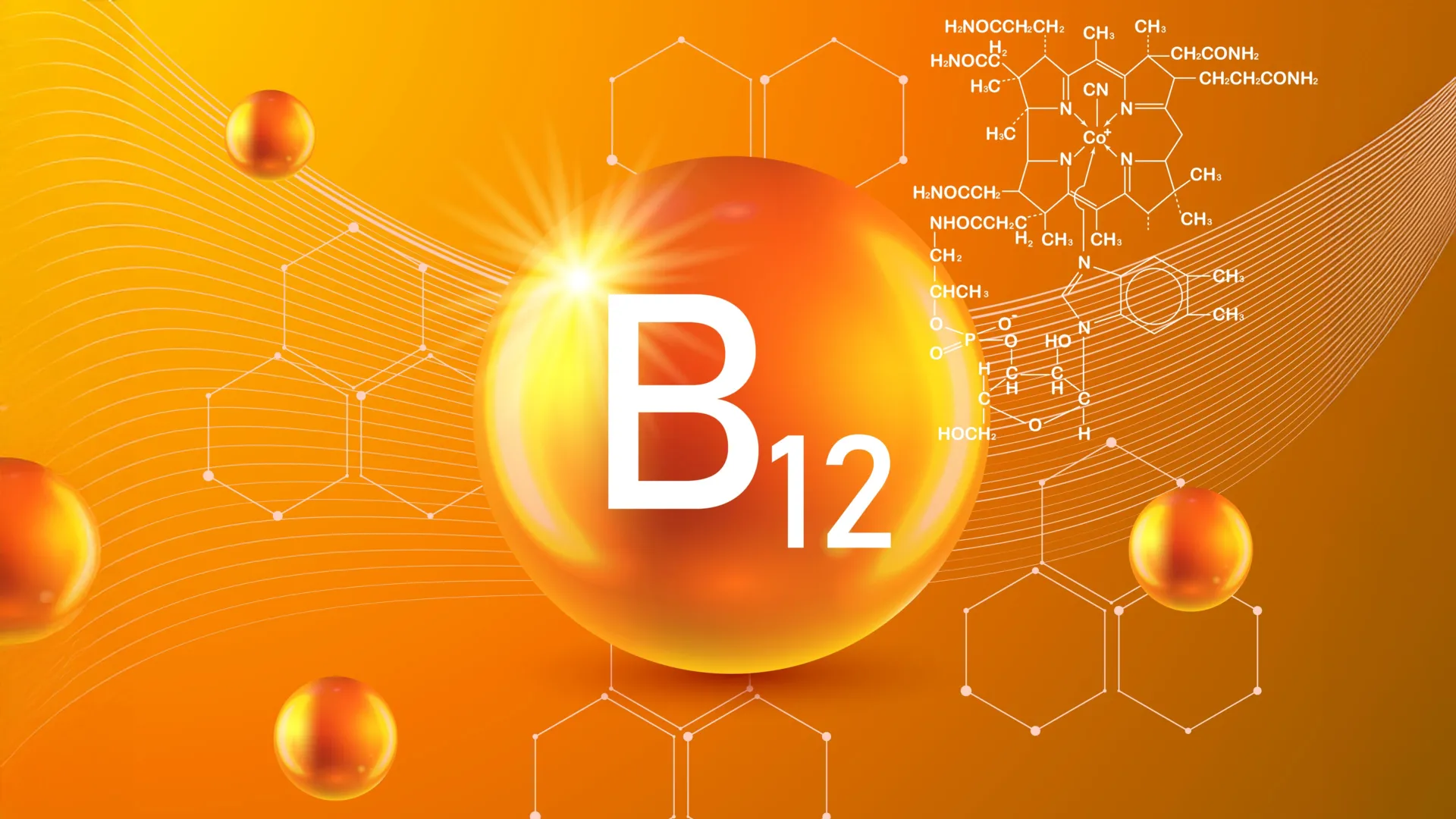
- Researchers produced spirulina containing 1.64 µg of biologically active vitamin B12 per 100 grams — exceeding beef's 0.7–1.5 µg per 100 grams — by manipulating growth-light conditions via a cultivation platform developed by Iceland's VAXA Technologies.
- Dr. Asaf Tzachor of Reichman University led the international team (with partners from the University of Natural Resources and Life Sciences Vienna, the Danish Technological Institute, and MATIS Iceland), publishing what the researchers call the first report of biologically active — rather than pseudo — vitamin B12 in spirulina.
- Conventional spirulina is widely promoted as nutrient-dense but mainly contains pseudo-vitamin B12, a chemically similar yet non-bioavailable form that has kept it from being a reliable B12 source for humans despite decades of supplement marketing.
- Scale-up projections in the study estimate that reallocating electricity from Iceland's heavy industry could support 277,950 tonnes of spirulina biomass annually — enough active B12 to meet the recommended daily allowance for more than 13.8 million children aged 1–3, or up to 50 million children aged 0–6 months under more ambitious scenarios.
- The carbon-neutral cultivation system, described in the journal Discover Food, also yielded bioactive compounds linked to antioxidant, anti-inflammatory, and immune-boosting properties beyond the headline B12 finding.
Why it matters: More than a billion people worldwide have low B12 levels, and the dominant dietary sources — meat and dairy — carry environmental costs this team explicitly aims to bypass. If laboratory-scale photonic spirulina can be grown industrially, it would offer a carbon-neutral B12 supply capable of displacing some livestock production without sacrificing the nutrient density of beef.
Ask SkimNews