Australia's Truffle Boom: Less Fungal Competition — SkimNews

Get the Health newsletter
Daily health & science — research, biotech, public health, the studies worth knowing. Free.
- Australia ranks as the world's fourth-largest black truffle producer, trailing only Spain, France, and Italy, with more than 400 orchards and half a million host trees across every state and territory except the Northern Territory.
- Michigan State University scientists analyzed soils and truffles from 24 orchards across France, Spain, Italy, and Australia, identifying 4,415 genetically distinct fungi in Australian soils versus 6,575 in European soils.
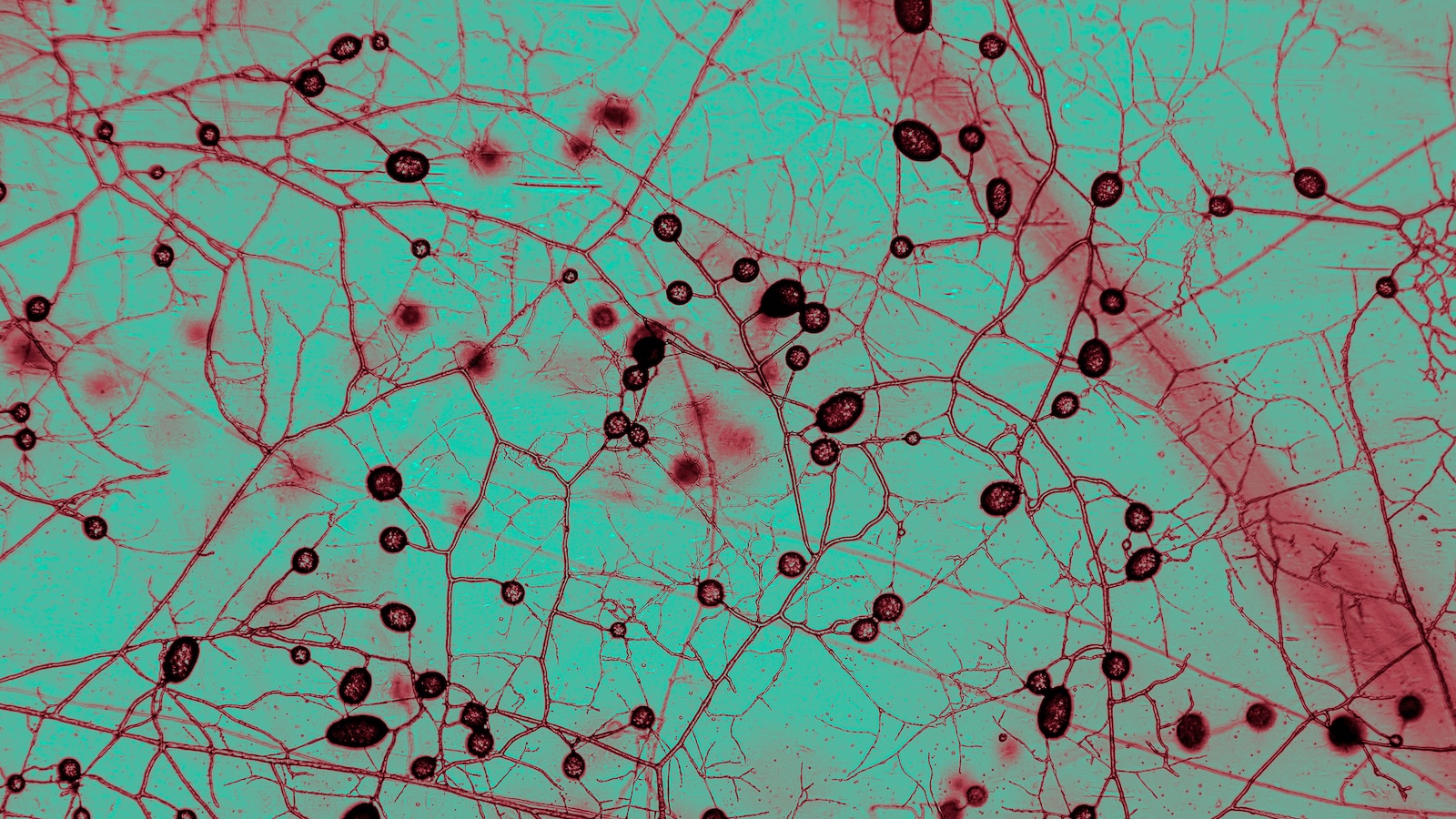
- Australian truffle orchards host 75% fewer species of mycorrhizal (truffle-producing) fungi than their European counterparts, giving black truffles reduced competition and what the researchers described as a near-monopoly underground.
- Associate Prof Gregory Bonito, a mycologist and study author, said the findings help explain the industry's rise since the first host trees were planted in Tasmania in 1995, with first harvests in 1999 and first exports in 2007.
- Surprisingly, the truffle's aroma-producing microbiome remained strikingly similar across Australian and European soils despite radically different soil compositions — a finding Bonito called 'fascinating.'
- Stuart Dunbar of Yarra Valley Truffles holds the record for the largest cultivated truffle at 1.5kg, and said a successful crop depends on soil structure, temperature, water, and precise harvest timing tied to mid-winter acorn and hazelnut germination.
Why it matters: For an industry that grew from zero to 400-plus orchards in under three decades, the research pins Australia's truffle success to a specific, measurable biological factor: a 75% reduction in competing mycorrhizal fungi. Growers now have a data-backed explanation for why their product rivals European truffles, and the study's co-authors credit climate, good stock, R&D, and an 'innovative and industrious' attitude as the remaining ingredients.
Ask SkimNews