Waist size rivals BMI for spotting obesity — SkimNews

Get the Health newsletter
Daily health & science — research, biotech, public health, the studies worth knowing. Free.
- Rutgers Health researchers found waist circumference, alone or combined with BMI, performed nearly as well as a newly proposed multi-measurement obesity framework for detecting unhealthy body fat in a study of 1,900 U.S. adults aged 20-59, published in JAMA Network Open.
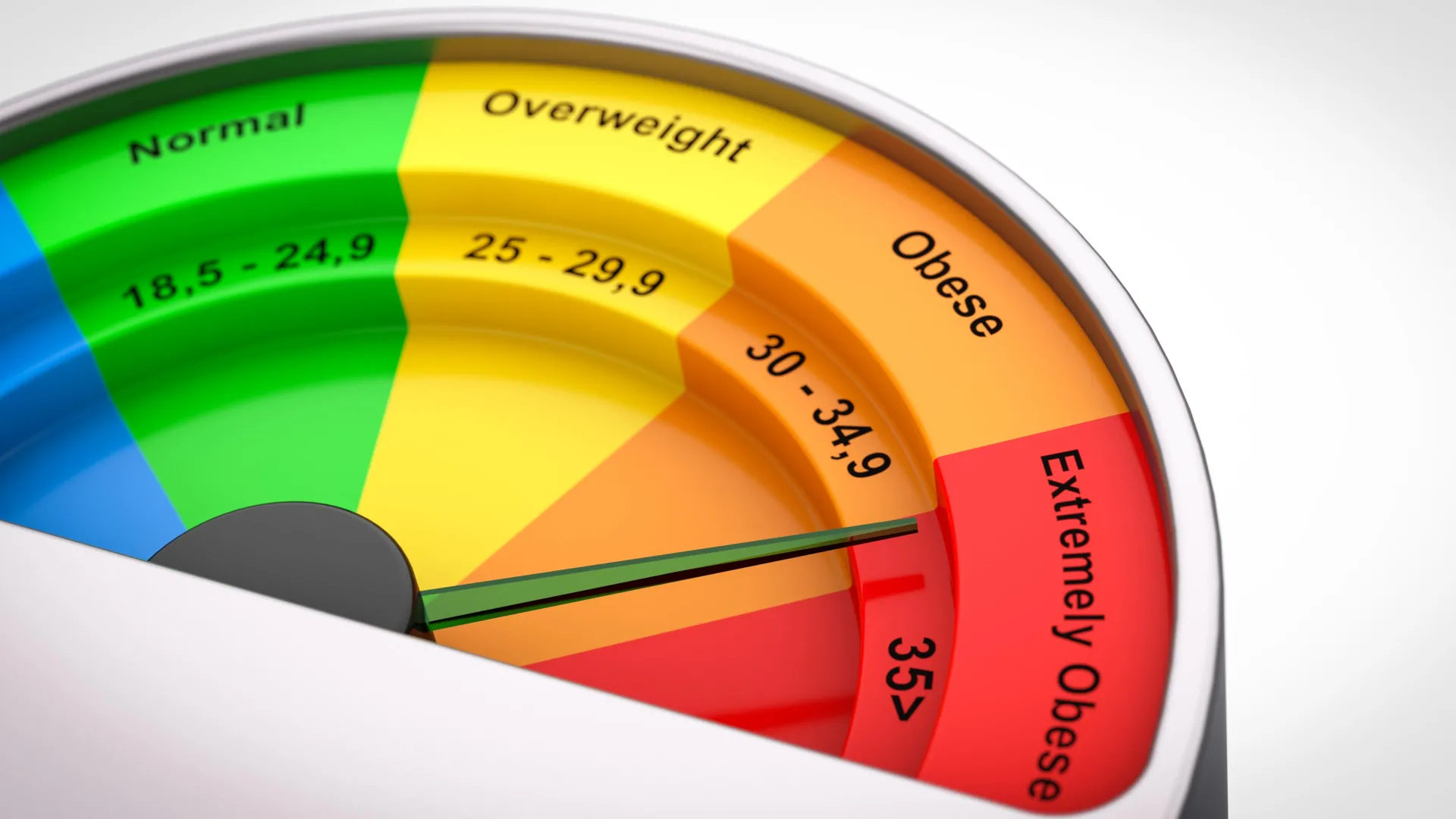
- BMI alone failed to identify a substantial number of people who met body-fat criteria for obesity, adding to longstanding concerns that the metric doesn't reflect body composition or fat distribution.
- The newer expert framework combines BMI, waist circumference, waist-to-height ratio, and waist-to-hip ratio, but hip circumference is rarely recorded during routine clinical visits, limiting its practical use, while waist measurement is increasingly included in guidelines.
- Lead author Aayush Visaria of Rutgers Health suggested that needing to loosen a belt or buy bigger pants can serve as an early warning of unhealthy body fat accumulation.
- The researchers concluded wider use of waist measurements could help clinicians identify elevated risk for diabetes, heart disease, stroke, and some cancers earlier.
Why it matters: Routine clinical visits already capture waist size more easily than hip circumference, making the simpler approach practical to scale. With BMI alone missing substantial numbers of people who meet body-fat criteria for obesity, adding a tape measure to standard checkups could flag diabetes and heart disease risk earlier without burdening appointments.
Ask SkimNews