DXA Study Finds BMI Misclassifies 33% of Adults — SkimNews
Get the Health newsletter
Daily health & science — research, biotech, public health, the studies worth knowing. Free.
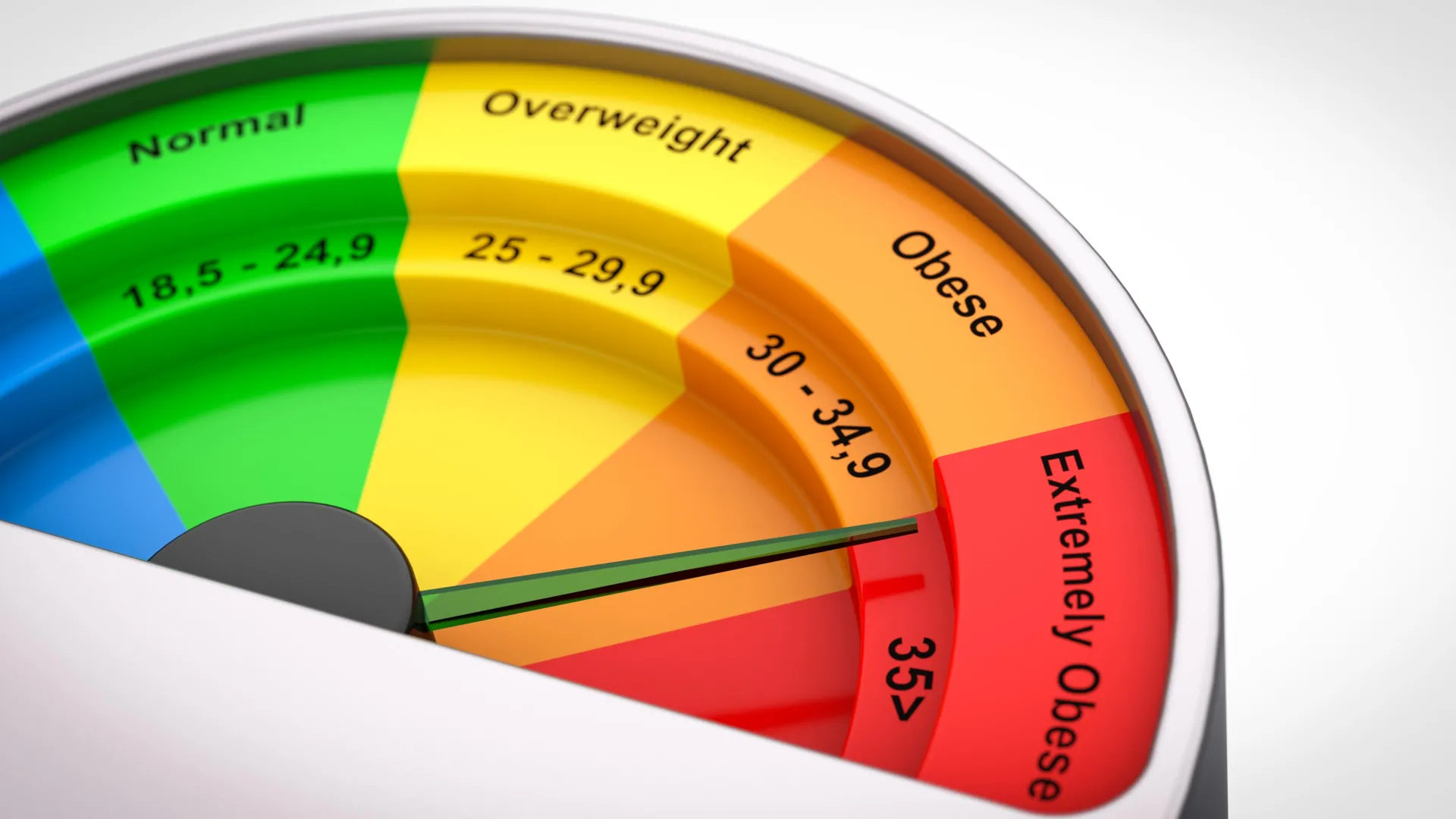
- European Association for the Study of Obesity reported that BMI misclassifies more than one‑third of adults in an Italian cohort when benchmarked against DXA body‑fat percentages.
- Professor Marwan El Ghoch of the University of Modena and Reggio Emilia explained that BMI’s failure to measure fat directly leads to overestimation of underweight, overweight and obesity prevalence.
- University of Verona researchers measured 1,351 White Caucasian adults (60% female, ages 18‑98) with DXA, finding that 34% of those labeled obese by BMI were actually only overweight and 53% of those labeled overweight were mis‑categorized.
- DXA results showed a combined overweight‑obesity prevalence of 37% (23.4% overweight, 13.2% obese), compared with 41% using BMI, indicating a systematic over‑estimate by the BMI system.
- Public‑health guidelines in Italy are urged to incorporate additional tools—such as skinfold measurements or waist‑to‑height ratio—alongside BMI to improve weight‑status assessment.
- Nutrients will publish the study (2025; 17(13):2162) and the findings will be presented at the European Congress on Obesity in Istanbul (May 12‑15 2026).
Why it matters: Clinicians and policymakers gain a clearer picture of true adiposity, while individuals mislabelled as overweight or obese avoid unnecessary interventions; the findings could shift Italian health‑policy to incorporate direct body‑composition measures, reducing misallocation of resources and improve targeting of prevention programs.
Ask SkimNews