Judge Clarifies NCAA Eligibility Order Excludes Pro Players — SkimNews
Get the Sports newsletter
Daily sports — scores, transfers, the storylines from the leagues you actually follow. Free.
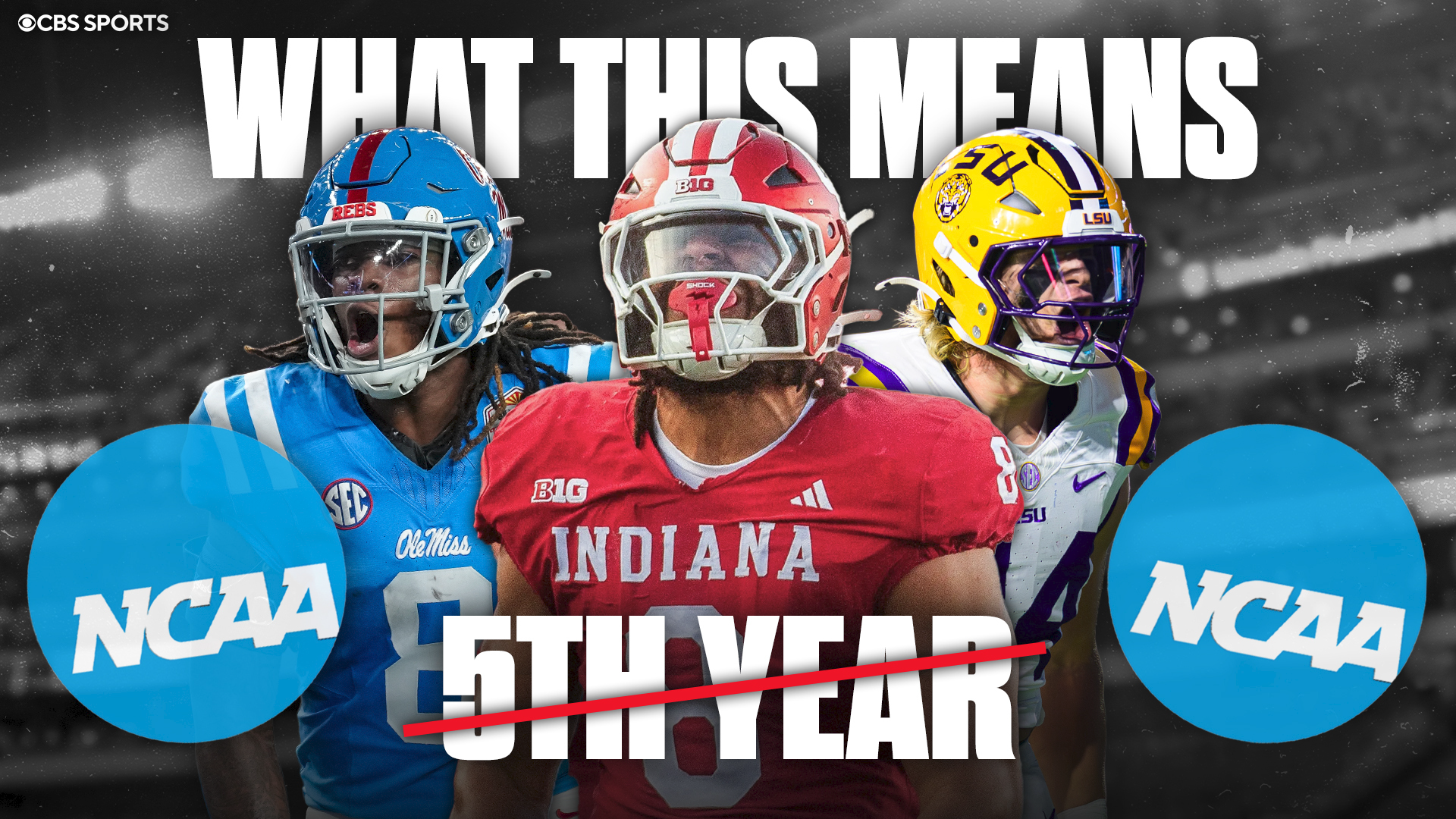
- Judge Charlotte Sweeney issued a Sunday clarification to her Friday ruling, making clear that the fifth-year eligibility grant does not extend to football players who signed pro contracts this summer and then had a change of heart.
- Sweeney's original order granted an extra year to athletes who graduated high school in 2022 and were excluded from the NCAA's new five-season eligibility rule for Division I players, and that core decision still stands.
- The clarification also preserved existing NCAA rules on transfer portal timing and left untouched elements of the House lawsuit settlement governing roster sizes and how much schools can pay athletes.
- After the initial ruling, media reports listed players on NFL and CFL rosters signaling openness to returning to college — a scenario now off the table per the Sunday order.
- NCAA president Charlie Baker called the Friday ruling "potentially chaos-inducing" and cited it as evidence Congress should pass the Protect College Sports Act, which would shield the NCAA from eligibility-related lawsuits.
- College football teams, already in preseason camp, must weigh the NCAA's coming appeal, since athletes brought back under the ruling could be retroactively declared ineligible if Sweeney's order is overturned on appeal.
Why it matters: Football programs that briefly imagined reclaiming NFL- and CFL-signed players on their fall rosters now face a hard deadline: any return they grant risks being reversed on appeal, while leaving the roster as-is foregoes talent that the Friday ruling had seemed to unlock. Baker's push for the Protect College Sports Act signals the NCAA plans to fight the broader eligibility expansion in Congress, not just in court.
Ask SkimNews