The EU might weaken its landmark climate law — the ‘most impactful’ in the world — SkimNews
Get the Energy newsletter
Daily energy & climate — solar, EVs, oil, the policy fights and tech bets shaping the transition. Free.
- European Commission proposed slowing annual emissions reductions under the ETS from 4.4% to 3.7% between 2031-2035 and just 1.7% thereafter, pushing back the net-zero target for covered companies beyond 2039.
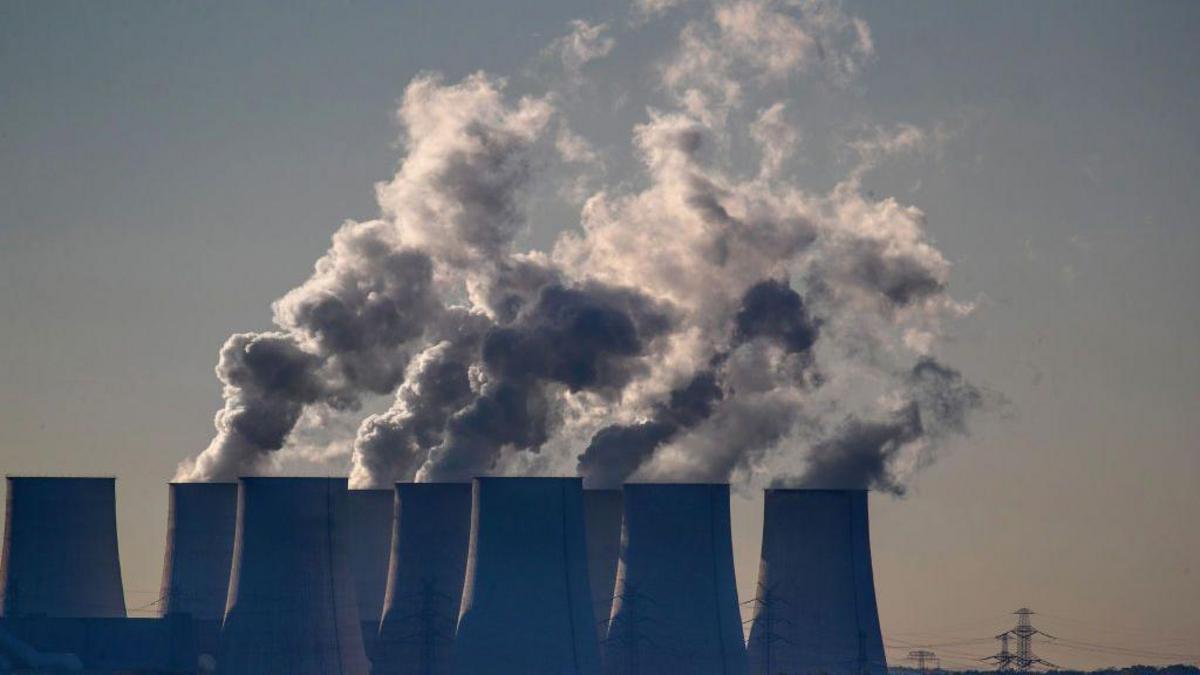
- The ETS covers about 10,000 EU installations — oil refineries, power stations, and other companies representing 40% of the bloc's climate pollution — and has cut EU industrial carbon emissions by roughly 50% since 2005.
- Carbon Market Watch's Wijnand Stoefs likened the proposal's release day to "Black Friday," saying the changes would give industrial lobbyists worldwide "a belt of ammunition" to weaken cap-and-trade systems elsewhere.
- The revised plan would allow ETS-covered companies to emit roughly 2 billion metric tons more carbon through 2040 than the previous schedule — a meaningful share of the ~80 billion metric tons remaining in the world's 1.5°C carbon budget as of 2025.
- ArcelorMittal and BASF were among companies that lobbied heavily for more free allowances; ETS-covered firms have routinely received more free permits than they need, earning billions from selling surpluses.
- Critics warn the EU retrenchment will embolden similar rollbacks in California, which in May expanded free allowances to oil refineries, as well as in Washington state, Quebec, and South Korea.
- The proposals now head to the Council of the EU and European Parliament; some environment ministers have vowed to "fight tooth and nail" against a weakened ETS, with final rules expected by early next year.
Why it matters: The EU's ETS is the world's benchmark carbon market, and weakening it unlocks 2 billion metric tons of extra emissions through 2040 — a meaningful slice of the 80-billion-metric-ton 1.5°C budget — while giving polluters in California, South Korea, and elsewhere fresh ammunition to push for free allowances and slower cuts. The Council of the EU and Parliament still hold the final pen.
Ask SkimNews