Wisconsin gas plant proposals test state review process — SkimNews
Get the Energy newsletter
Daily energy & climate — solar, EVs, oil, the policy fights and tech bets shaping the transition. Free.
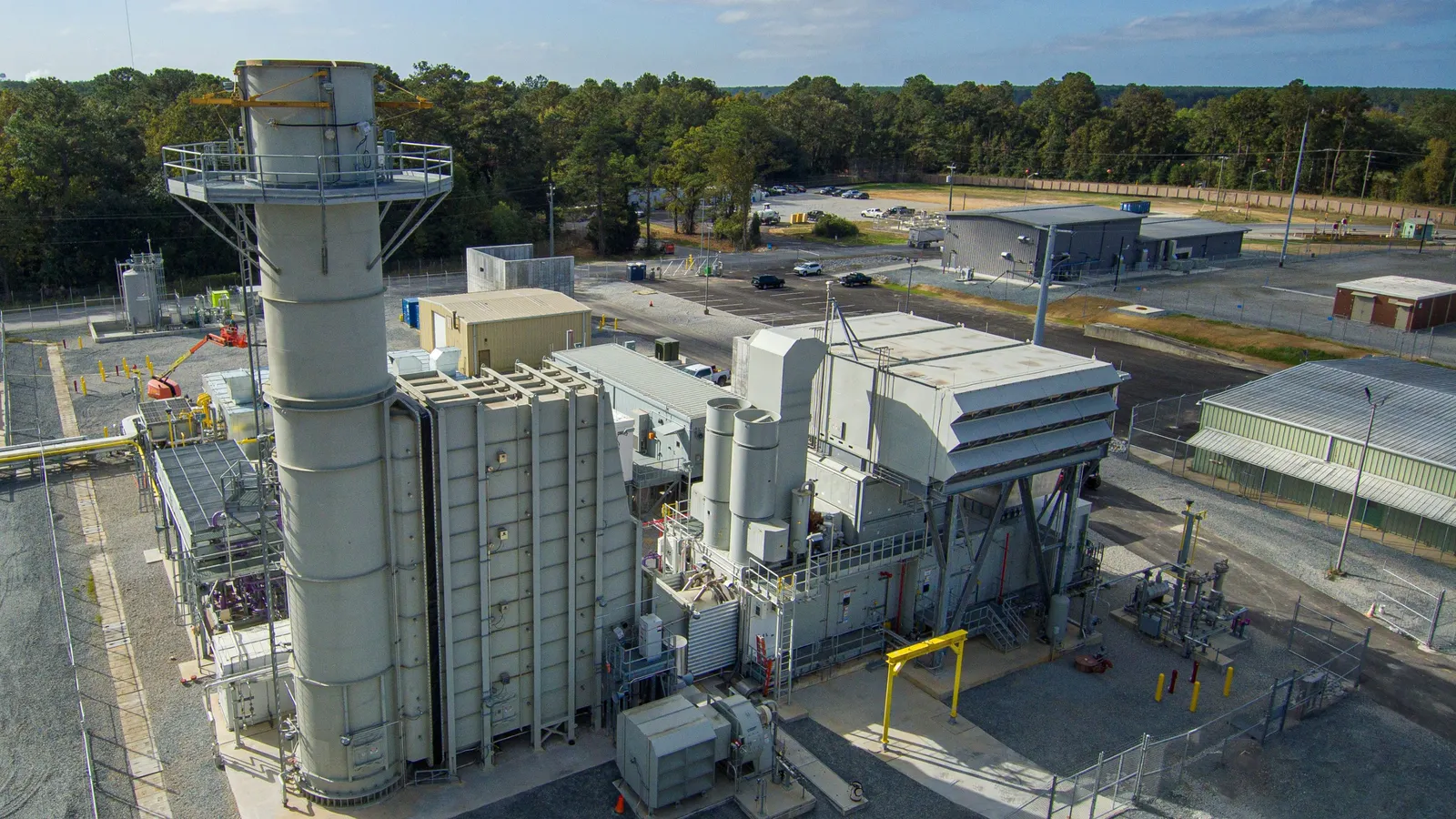
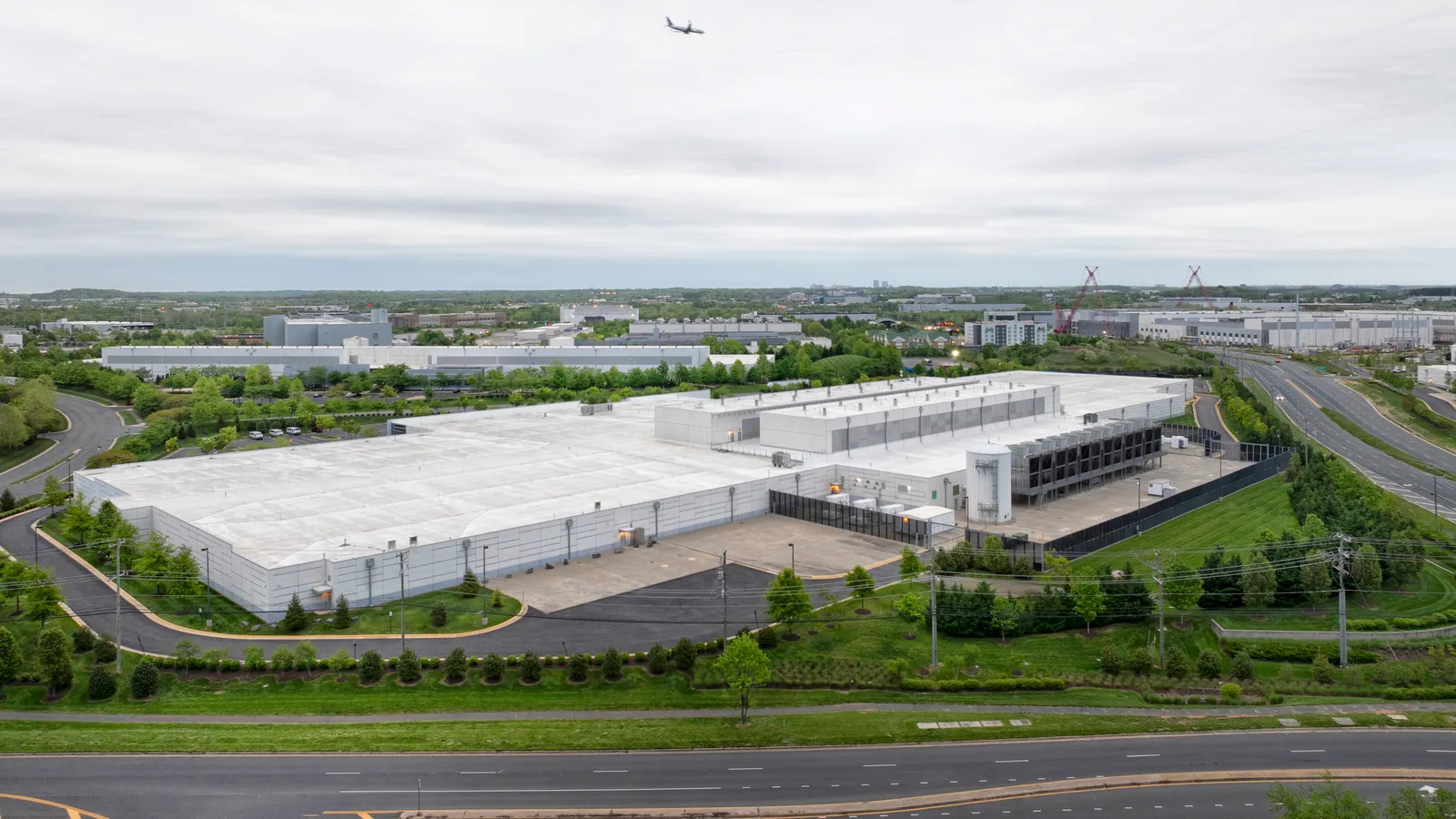
- Invenergy seeks Wisconsin PSC approval for the 1,186-MW Red Oak Ridge and 324-MW Foundry Ridge gas plants ($2.26 billion combined), with We Energies planning to acquire both to serve hyperscale data centers including a Microsoft campus and a Vantage project leased to OpenAI and Oracle.
- Wisconsin PSC spokesperson Meghan Sovey-Lashua said the state has no integrated resource planning process and does not prescribe which generation types providers build, differentiating Wisconsin from states that use long-term utility planning.
- Public hearings on Foundry Ridge were held July 16; Red Oak Ridge hearings are scheduled for July 23, with written comments accepted through July 23 per the commission's hearing notice, and the commission has not announced a final vote date on either project.
- Union of Concerned Scientists analyst Maria Chavez argued the two-step review means 'there's already a gas plant set for construction' by the time a utility must demonstrate public need, limiting regulators' ability to evaluate cost impacts and cleaner or lower-cost alternatives.
- UCS projects data centers could account for 68% of Wisconsin's projected electricity demand growth by 2030 and $30 billion in related investments by 2050; a University of Wisconsin-Madison study estimates the two plants' particulate pollution could cause more than $1 billion in air quality damages over their 30-year lifespans.
- Invenergy cited MISO-identified load increases and a projected 40% Wisconsin demand rise over the next six years; We Energies said the data centers will pay all costs of purpose-built plants via its recently approved very large customer tariff intended to shield residential ratepayers.
Why it matters: If the PSC approves these plants, Wisconsin ratepayers could be on the hook for $2.26 billion in gas infrastructure built primarily for hyperscale customers — but under the state's two-step review, the commission won't fully vet that cost burden or weigh cleaner alternatives until after construction is already approved, risking stranded assets if the projected 68% data-center-driven demand growth by 2030 doesn't materialize.
Ask SkimNews