SC Approves $5B Dominion-Santee Cooper Gas Power Plant — SkimNews
Get the Energy newsletter
Daily energy & climate — solar, EVs, oil, the policy fights and tech bets shaping the transition. Free.
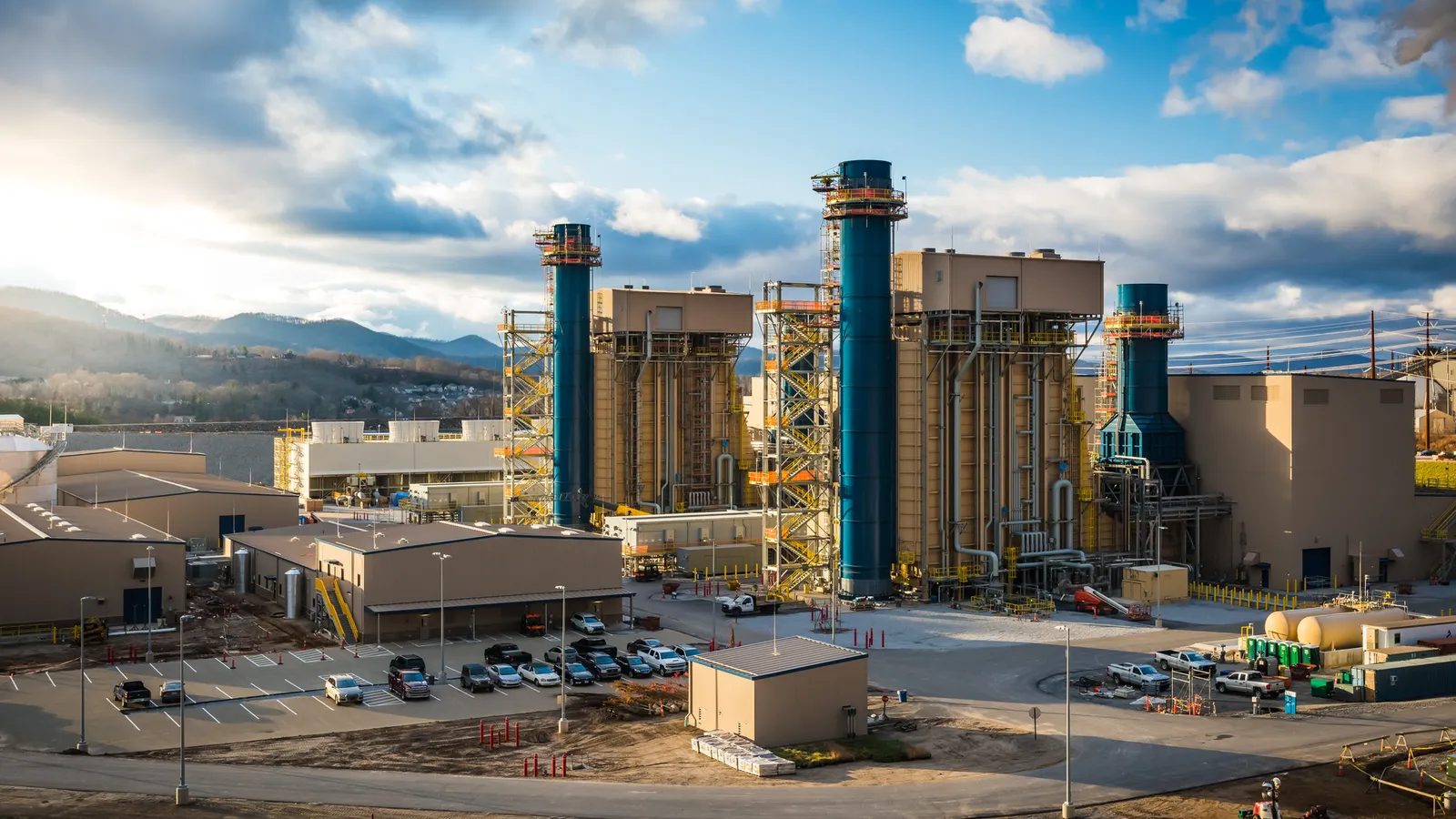
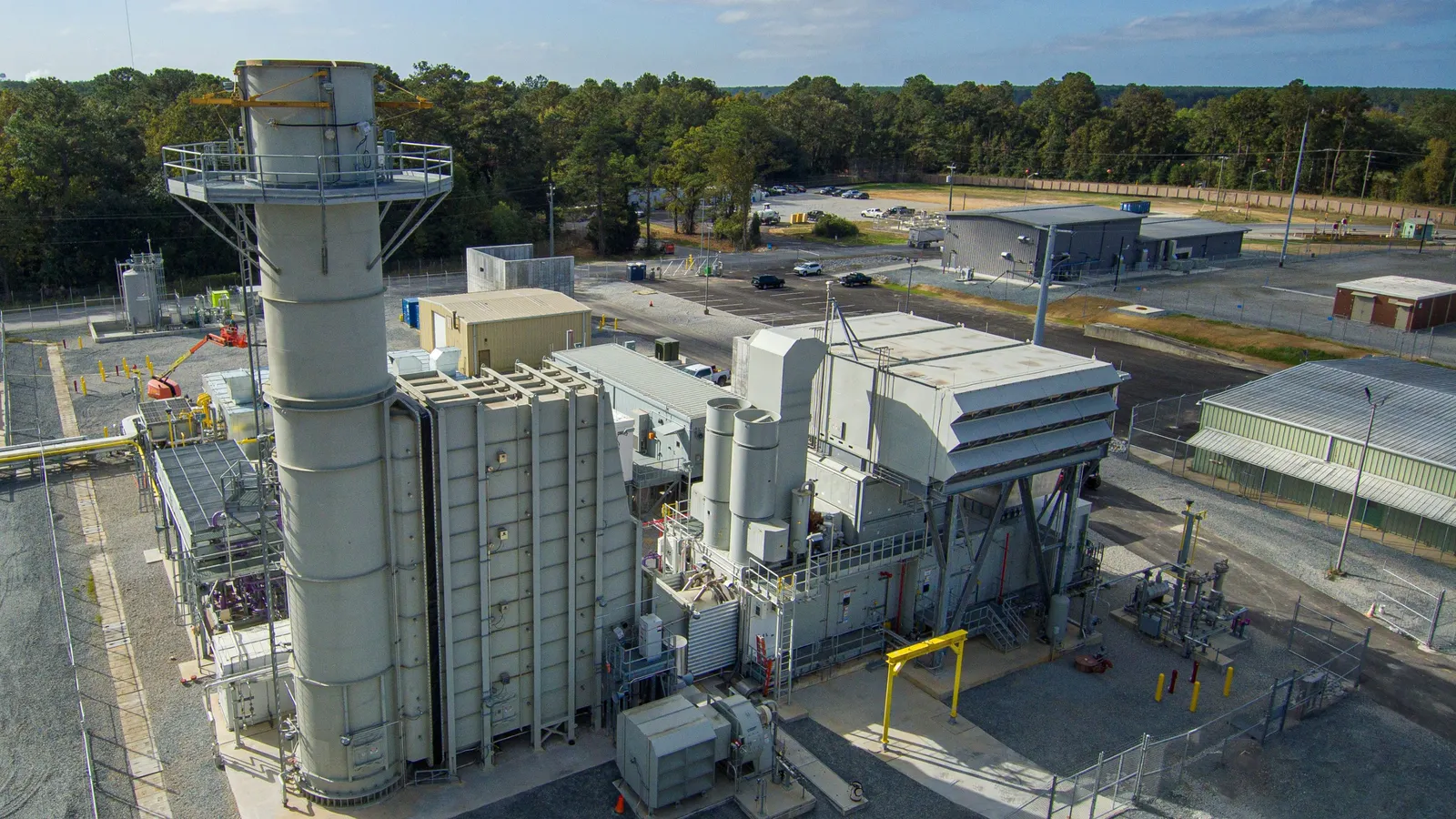
- South Carolina's Public Service Commission approved Dominion Energy SC and Santee Cooper's $5 billion, 2,180-MW gas-fired Canadys plant in a Friday written order, following an oral decision last month.
- The Canadys project, sited at a retired coal plant roughly 40 miles from Charleston, is expected online by mid-2033; original cost estimates topped out at $2.5 billion, with the doubled price attributed by a Dominion official to "extremely tight" gas-plant equipment markets.
- Dominion Energy South Carolina and Santee Cooper will each own 50% of the plant, which the utilities say is needed to keep pace with South Carolina load growth — Santee Cooper calls South Carolina the fastest-growing U.S. state.
- Santee Cooper told the PSC the gas plant is more cost-effective than other supply options with less ratepayer risk, though the commission rejected the Sierra Club's call for a $5 billion cost cap, deferring prudency review to a future rate case.
- The Sierra Club opposed the project, saying ratepayers will pay billions years before electricity flows with no consumer protections, and arguing that Santee Cooper overstated need by including speculative data center demand in its forecast.
- Santee Cooper's installed capacity is currently 51% coal and 25% gas, with the utility projecting gas at 55% and coal at 26% by 2040; it separately plans 300 MW of battery storage next year and 285 MW of gas-fired generation in 2028.
Why it matters: South Carolina ratepayers are committed to a $5 billion gas plant — double the utilities' own initial estimate — with no PSC-imposed spending cap; cost prudency won't be reviewed until a future rate case, by which point the utility will already have spent billions and ratepayers will already be paying. The state's status as the fastest-growing in the U.S. is being used to justify a fuel-mix shift from majority coal to majority gas by 2040, while critics argue speculative data-center demand is inflating the case for new generation.
Ask SkimNews