China Dependence Hollows Out Indonesia's Active Diplomacy — SkimNews
Get the Geopolitics newsletter
Daily geopolitics — wars, elections, sanctions, the diplomatic moves that move markets. Free.
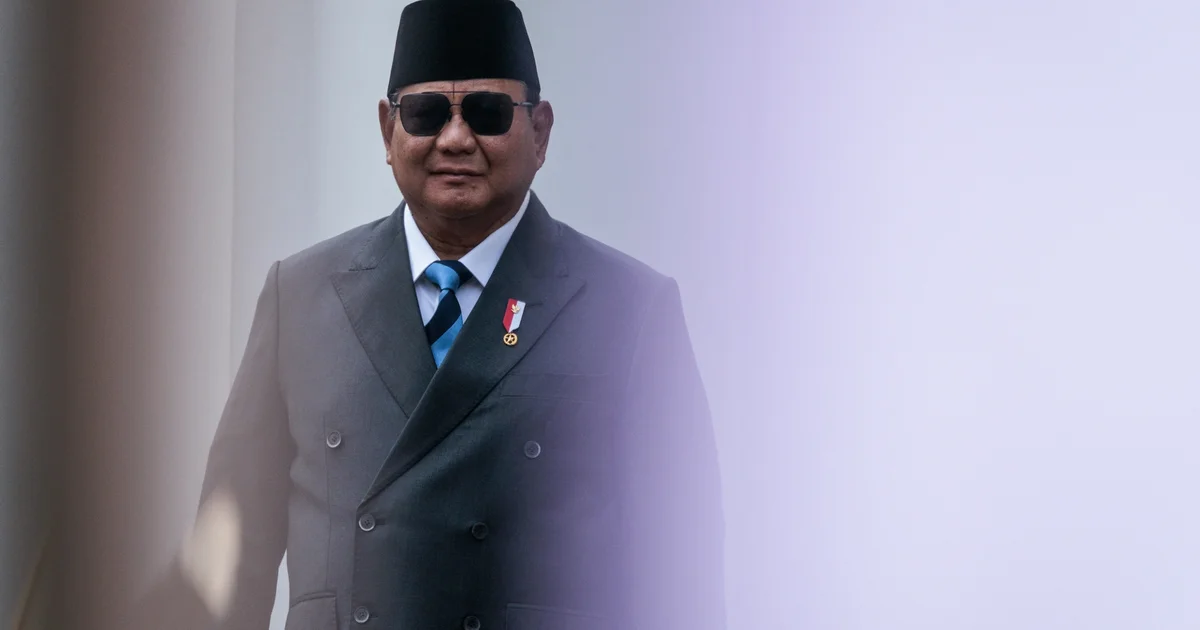
- Prabowo has visited nearly 30 countries since taking office in late 2024, positioning himself as a mediator in conflicts from Ukraine to Gaza to Iran and steering Indonesia into BRICS membership.
- Indonesia's 2025 budget deficit widened to 2.9% of GDP — projected to hold at that rate in 2026, marking the country's widest non-pandemic shortfall in two decades.
- China has been Indonesia's largest trading partner since 2013, with two-way trade surpassing US$160 billion in 2025 and accounting for more than 30% of total foreign trade.
- Jakarta repeatedly hesitated to impose safeguard tariffs on Chinese imports despite the bankruptcy of textile giant Sritex and factory closures that displaced hundreds of thousands of workers in Java.
- In May 2026, the China Chamber of Commerce in Indonesia delivered a rare protest letter to Prabowo over mining quota cuts, royalty hikes, and divestment rules — after which Jakarta postponed planned mineral royalty hikes and made case-by-case quota adjustments.
- After Chinese Foreign Minister Wang Yi visited Jakarta in August 2026 and called for a "safe, stable, and favourable business environment," Prabowo established an investment acceleration task force under Presidential Decree No. 4/2026.
- Jakarta avoids publicly raising the socio-environmental toll of Chinese-dominated nickel operations in Central Sulawesi and North Maluku — including captive coal plants, deforestation, and toxic runoff — fearing friction could deter future Chinese investment.
Why it matters: Indonesia's bebas-aktif ("free and active") doctrine is structurally compromised: with China absorbing more than 30% of Indonesia's trade and providing capital Jakarta cannot replace for nickel processing and infrastructure, any attempt to push back risks starving the investment flows underwriting Prabowo's economic nationalist agenda. The diplomatic hyperactivity on display — BRICS membership, peace-broker tours, summit-hopping — cannot compensate for that asymmetry.
Ask SkimNews


